Norman, OK Hail Storm – September 2025
September 19, 2025 hail storm near Norman, OK. Radar-confirmed hail track and contractor lead lists available.
Max Hail
1"1" est.
confirmed
Zones
1
NWS alerts
Radar
4
dual-pol hits
Spotter
–
field reports
NWS WARNING AREA · Norman Metro · Sep 19, 2025
Intelligence Platform
StormSnipe Pro
$49/ mo
Cancel anytime · No contracts
›All 50 states
›No zone limits
›No per-event fees
Subscribe to Pro
Pro renews monthly until canceled · Cancel anytime in the billing portal
What's included
Instant delivery
Every storm published within hours of NOAA confirmation.
Interactive Strike Map
Full radar-confirmed hail track on an interactive map.
Address CSV export
Every affected residential address, export-ready.
Smart alerts
Notified when a storm hits your area. Set zones once.
Nationwide coverage
All 50 states. No zone restrictions. No geographic caps.
Live pipeline
NOAA NEXRAD processed and delivered 24/7.
Address data notice
Pro coverage in California, Vermont, and Oregon includes the confirmed hail track and Strike Map only — no address lists. State data-privacy law treats compiled address lists differently in those three states, so we exclude their addresses from extraction and delivery.
NWS WARNING AREA
NWS OUN
Norman, OK
Dual-Pol Radar
Alert issued Fri, Sep 19 · 8:32 AM UTC
1"
confirmed
1"
est. (NWS)
Norman, OK saw a concluded hail storm on 2025-09-19 with a maximum confirmed hail size of 1 inch. The event was mapped in the early morning hours and tracked as a single-zone storm report.
What Happened
The storm was tied to one NWS alert area in the Norman metro. The alert was issued at 3:32 AM CDT on 2025-09-19 and called for 1-inch hail.
Dual-polarization radar supported the hail signal with NEXRAD-derived confidence. The storm remained within a single mapped zone, and no additional hail alerts were added to this event.
The timing placed the hail threat before sunrise. That matters for roof, vehicle, and exterior checks because early-morning hail can go unnoticed until daylight. In this case, the alert sequence stayed simple. One warning polygon. One hail size call. One confirmed hail report.
Damage Assessment
One-inch hail sits at the threshold where roof and soft-metal impacts become a real field concern. Asphalt shingles can show granule loss, bruising, and edge scuffing. Older roofs can show more obvious wear at vents, flashing, and ridge caps. Metal trim, gutters, downspouts, and AC fins can also show impact marks after a storm of this size.
Vehicles parked in open areas can carry dents across hoods, roofs, and side panels. Window screens, skylights, and patio covers deserve a close check. On residential calls, contractors should look for bruised shingles, cracked seal strips, loosened accessories, and collateral hits on siding and fence tops. On commercial work, inspect membrane transitions, HVAC units, metal curbs, and any horizontal surface that would take a direct strike.
The report does not point to a broad hail swath across multiple zones. It points to one localized hail event with a confirmed peak of 1 inch. That usually supports targeted inspection rather than a wide-area assumption of uniform damage.
What Contractors Should Know
Start with the structures most exposed to the storm path in Norman. Focus on roof planes, slopes facing the hail approach, and properties with limited tree cover or no protected parking. Early-morning events often leave fewer visual clues from the ground, so roof access matters. Check for soft bruising on composition shingles, cracked seals around penetrations, and impact marks on metal flashing before moving to more visible exterior surfaces.
Use the hail size as a triage point, not a conclusion. A 1-inch report can produce uneven damage from one block to the next. Pay close attention to older roofs, marginal shingle systems, and buildings with exposed rooftop equipment. On multifamily and light commercial sites, document HVAC damage, gutter deformation, and any broken accessories before cleanup removes evidence.
For canvassing and inspection routing, keep the focus on the confirmed storm timing and the local alert area. Early dispatch can matter more than broad coverage when the hail report is this localized. The Strike Map provides the precise hail track data for the paid product.
Storm Details
- Start Date
- Friday, September 19, 2025
- Last Activity
- Friday, September 19, 2025
- Location
- Norman, OK
- Warning Areas
- 1
- Dual-Pol Radar
- 4
- Spotter Reports
- --
Preview Strike Map
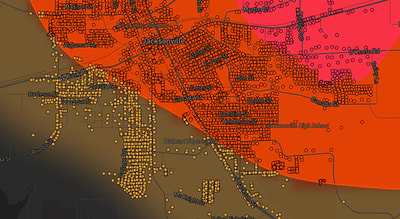
See exactly what you get.
Explore the full Springdale, AR Strike Map free – hail track, address overlay, and CSV download. No account required.
Try the Free Demo →