Limon, CO Hail Storm – September 2025
September 20, 2025 hail storm near Limon, CO. Radar-confirmed hail track and contractor lead lists available.
Max Hail
2"1" est.
confirmed
Zones
1
NWS alerts
Radar
87
dual-pol hits
Spotter
–
field reports
NWS WARNING AREA · Limon Metro · Sep 20, 2025
Intelligence Platform
StormSnipe Pro
$49/ mo
Cancel anytime · No contracts
›All 50 states
›No zone limits
›No per-event fees
Subscribe to Pro
Pro renews monthly until canceled · Cancel anytime in the billing portal
What's included
Instant delivery
Every storm published within hours of NOAA confirmation.
Interactive Strike Map
Full radar-confirmed hail track on an interactive map.
Address CSV export
Every affected residential address, export-ready.
Smart alerts
Notified when a storm hits your area. Set zones once.
Nationwide coverage
All 50 states. No zone restrictions. No geographic caps.
Live pipeline
NOAA NEXRAD processed and delivered 24/7.
Address data notice
Pro coverage in California, Vermont, and Oregon includes the confirmed hail track and Strike Map only — no address lists. State data-privacy law treats compiled address lists differently in those three states, so we exclude their addresses from extraction and delivery.
NWS WARNING AREA
NWS BOU
Limon, CO
Dual-Pol Radar
152 addresses in warning area
Alert issued Sat, Sep 20 · 8:16 PM UTC
2"
confirmed
1"
est. (NWS)
Limon, CO saw a concluded hail storm on 2025-09-20 with a maximum confirmed hail size of 1 inch. The event was mapped from a single NWS alert area covering the storm path near the city.
What Happened
The storm crossed the Limon area on 2025-09-20 during the afternoon. The first and only NWS alert in this event was issued at 2:16 PM MDT and carried a 1-inch hail threat based on dual-polarization radar confidence.
The alert sequence remained limited to one warning area. No additional alerts were added to extend the storm footprint in this report. The event is concluded.
Radar-derived confidence supported the 1-inch hail call in the warning area near Limon. The alert timing places the core hail threat in the mid-afternoon window, with the strongest hail threat contained to the single mapped storm path.
Damage Assessment
One-inch hail is large enough to produce scattered impact marks on vehicle surfaces, denting on softer metals, and shingle bruising or loss on older roofs. Reports from this size range often focus on cosmetic damage first, with impacts concentrated along the roof edge, vents, gutters, downspouts, and exposed trim.
In Limon, the confirmed hail size sits at the lower end of the severe threshold. That leaves a narrower damage profile than larger hail events, but it still supports field checks for roof hits, cracked siding, damaged screens, and marked vehicles in the path of the storm. Contractors working a post-storm route should prioritize structures with older roofing, south and west exposures, and buildings with light-gauge exterior components.
What Contractors Should Know
Start with properties inside the warning area and work outward along the storm path. Focus on roof slopes, ridge caps, pipe boots, skylight frames, gutters, and soft metals that show impact first. On one-inch hail events, visible cosmetic damage can be light on the ground and still produce a meaningful number of roofing claims, especially where shingles are brittle, weathered, or already worn.
Document the date, time, and local hail size on every inspection. For this event, the core alert came at 2:16 PM MDT, so field teams should align canvass timing to the afternoon damage window and separate this storm from later weather on the same route if needed. Keep photo sets tied to each address and note whether the damage pattern is isolated to one exposure or spread across the full roof slope.
For scheduling, use the single-zone nature of this report to narrow the lead pack to properties inside the mapped path near Limon. That keeps inspections focused on the addresses most likely to show hail-related losses from the 2025-09-20 event.
See the Strike Map for precise hail track data across the Limon storm path.
Storm Details
- Start Date
- Saturday, September 20, 2025
- Last Activity
- Saturday, September 20, 2025
- Location
- Limon, CO
- Warning Areas
- 1
- Dual-Pol Radar
- 87
- Spotter Reports
- --
Preview Strike Map
See exactly what you get.
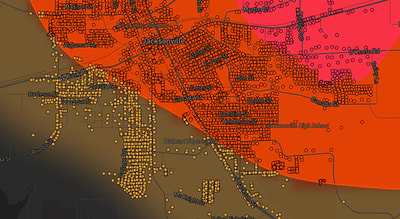
Explore the full Springdale, AR Strike Map free – hail track, address overlay, and CSV download. No account required.
Try the Free Demo →