Burlington, WI Hail Storm – September 2025
September 20, 2025 hail storm near Burlington, WI. Radar-confirmed hail track and contractor lead lists available.
Max Hail
2"1" est.
confirmed
Zones
1
NWS alerts
Radar
17
dual-pol hits
Spotter
–
field reports
Dual-Pol Radar
Spotter Report
NWS Warning
NWS WARNING AREA · Burlington Metro · Sep 20, 2025
PURCHASE THIS STORM
Full storm data delivered to all buyers. No slot limit.
By purchasing, you agree to our Terms of Service and acknowledge the Data Accuracy Disclaimer. Address lists are derived from NOAA radar and federal databases; inclusion does not guarantee property damage.
Pro gets 1-hour priority access
From $49/mo · Auto-delivered leads
NWS WARNING AREA
NWS MKX
Burlington, WI
Dual-Pol Radar
1,222 addresses in warning area
Alert issued Sat, Sep 20 · 10:31 PM UTC
2"
confirmed
1"
est. (NWS)
On September 20, 2025, Burlington, WI saw a concluded severe hail event with 1-inch hail. The storm moved through the area in the late afternoon and was tied to one NWS alert area.
What Happened
The storm was detected at 5:31 PM CDT in Burlington, WI. NWS alerts for the event pointed to 1-inch hail, with dual-polarization radar confidence supporting the hail signal.
This was a single-zone storm report for the Burlington metro area. The event has concluded.
The alert sequence was brief. One severe thunderstorm warning area covered the storm path, and the hail threat remained centered on the Burlington area during the late-afternoon window.
Damage Assessment
Hail at 1 inch is large enough to break weak window screens, dent soft metal trim, and leave visible marks on vehicles parked outdoors. It can also damage roof vents, downspouts, and older shingles with marginal wear.
Field teams should expect the most common impacts on exposed surfaces. Painted siding, skylights, patio covers, and lightweight outdoor equipment are all candidates for cosmetic damage in a hail event at this size. Fresh impacts may be easier to verify on south- and west-facing surfaces if the storm passed with strong winds.
For contractors, the key question is not just whether hail fell. It is where the hail footprint was narrow enough to leave isolated damage and where the heaviest exposure lines up with roof age, slope, and material type. On a 1-inch event, roof claims may cluster in the warning area rather than spread evenly across it.
What Contractors Should Know
Start with properties that had full exposure during the storm window. Vehicles, soft metals, vents, and exterior trim often show the first visible hits. Look for granule loss on asphalt shingles, fractures on brittle accessories, and dents on aluminum components before moving to less exposed elevations.
Document by address, elevation, and surface type. Separate cosmetic hits from functional damage. Note the difference between scattered impacts and concentrated strikes on slope transitions, valleys, and roof edges. In single-zone events like this one, a tighter field route can reduce time spent on homes outside the main hail swath.
Use the storm time to narrow canvass windows. In Burlington, the alert came at 5:31 PM CDT, so inspections should focus on properties with direct exposure during the late afternoon. Cross-check vehicle dents, screen tears, and gutter marks with roof observations to build a cleaner lead pack.
For precise hail track data, review the Strike Map for the Burlington, WI hail swath.
Storm Details
- Start Date
- Saturday, September 20, 2025
- Last Activity
- Saturday, September 20, 2025
- Location
- Burlington, WI
- Warning Areas
- 1
- Dual-Pol Radar
- 17
- Spotter Reports
- --
StormSnipe Pro
BEST VALUENever miss a storm in your market.
Auto-delivered leads with 1-hour priority access before shared buyers. Set it and close more jobs.
$49
/mo
1 Zone
POPULAR
$99
/mo
5 Zones
$199
/mo
Unlimited
- 1-hour priority access before public
- Auto-delivered every storm in your market
- Interactive Strike Map + hail track
Cancel anytime · No commitment
Try Before You Buy
See exactly what you get.
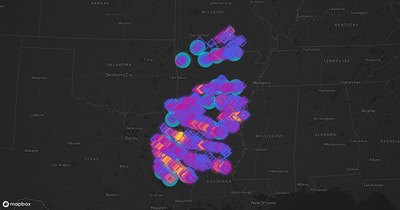
Explore the full Springdale, AR Strike Map free – hail track, address overlay, and CSV download. No account required.
Try the Free Demo →