Perryville, MO Hail Storm – October 2025
October 18, 2025 hail storm near Perryville, MO. Radar-confirmed hail track and contractor lead lists available.
Max Hail
2.5"1" est.
confirmed
Zones
2
NWS alerts
Radar
20
dual-pol hits
Spotter
–
field reports
NWS WARNING AREA · Perryville Metro · Oct 18, 2025
Intelligence Platform
StormSnipe Pro
$49/ mo
Cancel anytime · No contracts
›All 50 states
›No zone limits
›No per-event fees
Subscribe to Pro
Pro renews monthly until canceled · Cancel anytime in the billing portal
What's included
Instant delivery
Every storm published within hours of NOAA confirmation.
Interactive Strike Map
Full radar-confirmed hail track on an interactive map.
Address CSV export
Every affected residential address, export-ready.
Smart alerts
Notified when a storm hits your area. Set zones once.
Nationwide coverage
All 50 states. No zone restrictions. No geographic caps.
Live pipeline
NOAA NEXRAD processed and delivered 24/7.
Address data notice
Pro coverage in California, Vermont, and Oregon includes the confirmed hail track and Strike Map only — no address lists. State data-privacy law treats compiled address lists differently in those three states, so we exclude their addresses from extraction and delivery.
NWS WARNING AREAS · 2
This storm generated 2 NWS alert zones. Pro access covers the complete storm track and all addresses across every zone.
ZONE 1NWS PAH
Perryville, MO
Dual-Pol Radar
866 addresses in warning area
Alert issued Sat, Oct 18 · 7:26 PM UTC
1"
confirmed
1"
est. (NWS)
ZONE 2NWS LSX
Farmington, MO
Dual-Pol Radar
3 addresses in warning area
Alert issued Sat, Oct 18 · 8:08 PM UTC
2.5"
confirmed
1"
est. (NWS)
Perryville, MO saw a concluded hail event on Oct. 18, 2025, with a maximum confirmed hail size of 1 inch. The storm produced two NWS alerts during the afternoon.
What Happened
The first alert came at 2:26 PM CDT, with dual-polarization radar confidence for 1-inch hail. A second alert followed at 3:08 PM CDT, also carrying 1-inch hail confidence from dual-polarization radar.
The alert sequence points to a storm that maintained hail potential through the afternoon before ending later in the day. The report is a multi-zone aggregate storm summary for Perryville and the surrounding warning area tied to this event.
Damage Assessment
One-inch hail is large enough to leave dents in soft metals, chip vehicle finishes, and damage roof coverings that already have wear or weak points. The risk rises on aging asphalt shingles, thin gauge metal, skylights, vents, and exposed exterior trim.
For contractors, the first step is a close exterior review of roof slopes, gutters, downspouts, condensers, and window screens. Look for fresh impact marks, granule loss, bruising on shingles, cracked seals, and denting on soft metal components. On vehicles and light structures, focus on hoods, roofs, siding, and accessory enclosures.
In Perryville, a 1-inch hail report usually supports a targeted inspection rather than a broad assumptions-based estimate. Crews should separate impact damage from pre-existing wear, then document each affected elevation and component with clear photos and location notes. If a property has multiple exposures, inspect the windward and upper slopes first, then move to less exposed areas.
What Contractors Should Know
This storm produced two afternoon alert points, which means fieldwork should account for more than one hail pulse in the same event window. Properties inside the warning area may show uneven impact patterns. One roof section can be marked while a neighboring slope remains clean. Detached structures, screen enclosures, and HVAC units can also show isolated damage.
Use the event date as the anchor for claim files and service records. For a 2025-10-18 inspection in Perryville, note the time of the alert nearest the property, then match visible impact marks to the likely storm window. Keep measurements exact. Use 1 inch, not a rounded estimate. Separate verified hail findings from suspect cosmetic marks so the file stays clean for adjusters and owners.
Contractors should also check for secondary issues that often follow a hail strike. Granule loss can expose older shingles to faster wear. Dented flashings can redirect water. Small cracks at seal points can remain hidden until the next rain. A structured walk-through of roof, siding, metal trim, and exterior accessories will usually capture the full scope faster than a surface-level drive-by.
Storm Details
- Start Date
- Saturday, October 18, 2025
- Last Activity
- Saturday, October 18, 2025
- Location
- Perryville, MO
- Warning Areas
- 2
- Dual-Pol Radar
- 20
- Spotter Reports
- --
Preview Strike Map
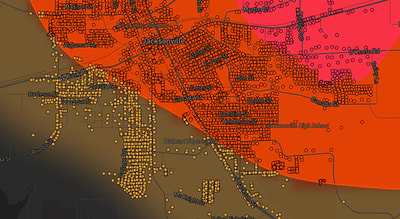
See exactly what you get.
Explore the full Springdale, AR Strike Map free – hail track, address overlay, and CSV download. No account required.
Try the Free Demo →