Santa Rosa, NM Hail Storm – October 2025
October 23, 2025 hail storm near Santa Rosa, NM. Radar-confirmed hail track and contractor lead lists available.
Max Hail
2"1.25" est.
confirmed
Zones
2
NWS alerts
Radar
24
dual-pol hits
Spotter
–
field reports
NWS WARNING AREA · Santa Rosa Metro · Oct 23, 2025
Intelligence Platform
StormSnipe Pro
$49/ mo
Cancel anytime · No contracts
›All 50 states
›No zone limits
›No per-event fees
Subscribe to Pro
Pro renews monthly until canceled · Cancel anytime in the billing portal
What's included
Instant delivery
Every storm published within hours of NOAA confirmation.
Interactive Strike Map
Full radar-confirmed hail track on an interactive map.
Address CSV export
Every affected residential address, export-ready.
Smart alerts
Notified when a storm hits your area. Set zones once.
Nationwide coverage
All 50 states. No zone restrictions. No geographic caps.
Live pipeline
NOAA NEXRAD processed and delivered 24/7.
Address data notice
Pro coverage in California, Vermont, and Oregon includes the confirmed hail track and Strike Map only — no address lists. State data-privacy law treats compiled address lists differently in those three states, so we exclude their addresses from extraction and delivery.
NWS WARNING AREAS · 2
This storm generated 2 NWS alert zones. Pro access covers the complete storm track and all addresses across every zone.
ZONE 1NWS ABQ
Santa Rosa, NM
Dual-Pol Radar
13 addresses in warning area
Alert issued Thu, Oct 23 · 9:08 PM UTC
2"
confirmed
1"
est. (NWS)
ZONE 2NWS ABQ
Trementina, NM
Dual-Pol Radar
34 addresses in warning area
Alert issued Thu, Oct 23 · 10:29 PM UTC
1.25"
confirmed
1.25"
est. (NWS)
Santa Rosa, NM saw a concluded hail storm on Oct. 23, 2025, with peak hail size reaching 1.25 inches. The storm produced two hail alerts across the metro area through the afternoon.
What Happened
The first hail alert came at 3:08 PM MDT, with dual-polarization radar confidence for 1-inch hail. A second alert followed at 4:29 PM MDT with radar confidence for 1.25-inch hail.
Both alerts came from NEXRAD hail detection and covered the broad warning area for the Santa Rosa metro. The event ended after the late-afternoon hail sequence.
Damage Assessment
Hail in the 1-inch to 1.25-inch range can leave visible impact on soft metals, vehicle finishes, gutters, roof vents, and exposed trim. It can also fracture older asphalt shingles and bruise testable roof surfaces in some parts of the warning area.
For contractors, the key field question is whether damage is isolated to slope exposure or spread across multiple roof planes. In hail events with this size range, the most common exterior inspections start with shingles, skylights, condensers, downspouts, and painted metal components. Window screens and deck furniture can also show impact marks where the hail reached full size before weakening.
What Contractors Should Know
Crews should begin with a roof-level survey, then move to gutters, ridge caps, soft metal, and perimeter items that collect impact marks first. On multi-zone storms like this one, conditions can vary across neighborhoods inside the same warning area. One part of town may show heavier roof strikes while another records only scattered exterior hits.
Document all findings by slope, elevation, and material type. Note any collateral damage on HVAC fins, flashing, and vehicle panels near the structure. If there are signs of repeated impacts or concentrated strikes on one exposure, those locations should move higher on the inspection list before temporary repairs begin.
For adjusters and restoration teams, timing matters as much as size. A storm that starts with 1-inch hail and later intensifies to 1.25 inches can leave mixed impact signatures across the same property. Check for bruised shingles, lifted tabs, cracked seals, and dent patterns that line up with the later hail pulse.
Photos should include close-range detail and wider context from the same address. Keep the record tied to the date, local time, and exact property conditions at the time of inspection. That makes it easier to compare field findings across the Santa Rosa metro and separate this event from earlier hail in the area.
Use the Strike Map for precise hail track data across the Santa Rosa hail swath.
Storm Details
- Start Date
- Thursday, October 23, 2025
- Last Activity
- Thursday, October 23, 2025
- Location
- Santa Rosa, NM
- Warning Areas
- 2
- Dual-Pol Radar
- 24
- Spotter Reports
- --
Preview Strike Map
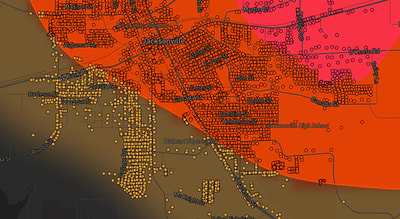
See exactly what you get.
Explore the full Springdale, AR Strike Map free – hail track, address overlay, and CSV download. No account required.
Try the Free Demo →