Sierra Blanca, TX Hail Storm – October 2025
October 24, 2025 hail storm near Sierra Blanca, TX. Radar-confirmed hail track and contractor lead lists available.
Max Hail
2"1" est.
confirmed
Zones
1
NWS alerts
Radar
16
dual-pol hits
Spotter
–
field reports
NWS WARNING AREA · Sierra Blanca Metro · Oct 24, 2025
Intelligence Platform
StormSnipe Pro
$49/ mo
Cancel anytime · No contracts
›All 50 states
›No zone limits
›No per-event fees
Subscribe to Pro
Pro renews monthly until canceled · Cancel anytime in the billing portal
What's included
Instant delivery
Every storm published within hours of NOAA confirmation.
Interactive Strike Map
Full radar-confirmed hail track on an interactive map.
Address CSV export
Every affected residential address, export-ready.
Smart alerts
Notified when a storm hits your area. Set zones once.
Nationwide coverage
All 50 states. No zone restrictions. No geographic caps.
Live pipeline
NOAA NEXRAD processed and delivered 24/7.
Address data notice
Pro coverage in California, Vermont, and Oregon includes the confirmed hail track and Strike Map only — no address lists. State data-privacy law treats compiled address lists differently in those three states, so we exclude their addresses from extraction and delivery.
NWS WARNING AREA
NWS EPZ
Sierra Blanca, TX
Dual-Pol Radar
165 addresses in warning area
Alert issued Fri, Oct 24 · 12:19 AM UTC
2"
confirmed
1"
est. (NWS)
Sierra Blanca, TX saw a concluded hail storm on 2025-10-24 with a maximum confirmed hail size of 1 inch. The event reached the area in the evening and produced a single verified NWS hail alert.
What Happened
The storm affected Sierra Blanca on Friday evening, October 24, 2025. The only NWS alert in this event arrived at 7:19 PM CDT and called for 1-inch hail in the warning area.
Dual-polarization radar supported the hail call with NEXRAD hail detection confidence. No additional hail alerts were issued for this single-zone storm report.
The event is concluded.
Damage Assessment
One-inch hail is large enough to break weaker roofing materials, dent soft metals, and leave visible impact marks on siding, trim, gutters, and vehicle panels. Fields, yards, and exposed equipment may show scattered impact damage where the strongest cores moved through.
In a single-zone report like this one, the practical concern is localized roof and exterior inspection. Contractors should expect uneven hit patterns. One block may show minor cosmetic marks while another shows more concentrated impacts from the same storm passage.
Look closely at roof slopes facing the incoming storm path. Check ridge caps, vents, pipe boots, skylights, and metal edging. On vehicles, document dents on horizontal surfaces and the upper edges of doors and hoods. On commercial properties, inspect HVAC cabinets, condensers, awnings, and parapet flashings.
Do not rely on one exterior pass. Hail of this size can leave damage that is easy to miss from the ground. Crews should photograph each side of the structure, note the timestamp of the inspection, and separate obvious impact marks from older wear already present on the property.
What Contractors Should Know
Use the warning area as the first canvas for dispatch and inspection planning. For a storm with one verified 1-inch hail alert, focus on rooftops, gutters, window trim, siding, and vehicle lots inside the alert footprint. Sierra Blanca properties near the strongest radar signature should be treated as the first field targets.
Prioritize roofs with steep-pitch transitions, older asphalt systems, and exposed sheet-metal components. One-inch hail often produces the first visible claims on softer materials before larger functional failures appear. Document every elevation, then compare slope-by-slope conditions so adjusters and property owners can see where impacts were concentrated.
For contractors working post-storm, speed matters less than coverage. A complete inspection package should include wide exterior photos, close-ups of marked surfaces, and notes on any collateral findings such as damaged screens, cracked vents, or broken glazing. If the property has a history of prior storm work, separate the new hail marks from pre-existing wear before submitting estimates.
Storm Details
- Start Date
- Thursday, October 23, 2025
- Last Activity
- Thursday, October 23, 2025
- Location
- Sierra Blanca, TX
- Warning Areas
- 1
- Dual-Pol Radar
- 16
- Spotter Reports
- --
Preview Strike Map
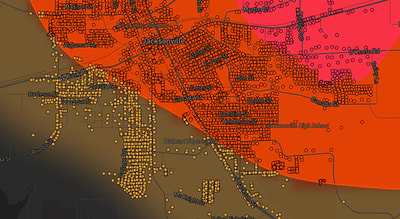
See exactly what you get.
Explore the full Springdale, AR Strike Map free – hail track, address overlay, and CSV download. No account required.
Try the Free Demo →