Ardmore, OK Hail Warning – October 2025
October 25, 2025 severe thunderstorm warning near Ardmore, OK. NWS warning area data available.
Max Hail
1"NWS Est.
Zones
1
NWS alerts
Radar
–
dual-pol hits
Spotter
–
field reports
NWS WARNING AREA · Ardmore Metro · Oct 25, 2025
Intelligence Platform
StormSnipe Pro
$49/ mo
Cancel anytime · No contracts
›All 50 states
›No zone limits
›No per-event fees
Subscribe to Pro
Billed monthly · Cancel anytime
What's included
Instant delivery
Every storm published within hours of NOAA confirmation.
Interactive Strike Map
Full radar-confirmed hail track on an interactive map.
Address CSV export
Every affected residential address, export-ready.
Smart alerts
Notified when a storm hits your area. Set zones once.
Nationwide coverage
All 50 states. No zone restrictions. No geographic caps.
Live pipeline
NOAA NEXRAD processed and delivered 24/7.
NWS WARNING AREA
NWS OUN
Ardmore, OK
NWS Warning
Alert issued Sat, Oct 25 · 11:50 PM UTC
1"
est. (NWS)
What Happened
Ardmore, OK was under a 1-inch hail warning on October 25, 2025, with the alert issued at 6:50 PM CDT. The event was concluded and limited to a single NWS warning area.
The warning covered the late-evening storm path through the Ardmore metro. No radar or spotter confirmation of hail was included in the alert data, so this report reflects an NWS warning only.
Damage Assessment
A 1-inch hail warning places the event in a range that can affect roofs, gutters, siding, screens, and soft metals. On steep-pitch roofing, visible loss can be limited to isolated impact points. On aging or brittle shingles, the same hail size can produce a wider field of bruising and granule loss.
Vehicles parked in the warning area may show pitting on hoods, roofs, and mirrors if hail reached the ground at usable size. Window screens, patio covers, skylights, and exposed HVAC fins are also common inspection points after this type of warning.
The warning area does not prove every property took a hit. It marks the broader path where the storm was expected to produce hail up to 1 inch.
What Contractors Should Know
Start with the addresses inside the warning area and work outward along the expected path. Prioritize roofs with older asphalt shingles, lightweight metal components, and any property with exposed exterior trim. Document date, time, address, roof slope, and visible impact marks before opening the conversation on repairs.
Inspect for hail patterns that are easy to miss from the ground. Look at ridge caps, soft metal vents, gutters, downspouts, and AC condensers. On steep or multi-story roofs, use ladder points and perimeter checks to identify testable damage before any full assessment. Keep notes tied to the storm date, 2025-10-25, and the 6:50 PM CDT warning time.
Use photo sets that show both the wider roof surface and close-up impact points. If the property sits near the edge of the warning area, compare roof sides facing the storm track with sheltered elevations and adjacent structures. That helps separate storm exposure from older wear.
For field teams, sequence canvass routes by proximity to the warning line and roof age. Ask about short-duration roof noise, screen tears, vehicle dents, and debris in gutters. Avoid general damage assumptions. Work from the warning area, then narrow the inspection based on visible conditions at each address.
StormSnipe users can review the Strike Map for precise hail track data.
Storm Details
- Start Date
- Saturday, October 25, 2025
- Last Activity
- Saturday, October 25, 2025
- Location
- Ardmore, OK
- Warning Areas
- 1
- Dual-Pol Radar
- --
- Spotter Reports
- --
Preview Strike Map
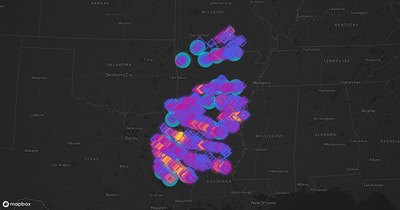
See exactly what you get.
Explore the full Springdale, AR Strike Map free – hail track, address overlay, and CSV download. No account required.
Try the Free Demo →