Paducah, TX Hail Storm – November 2025
November 20, 2025 hail storm near Paducah, TX. Radar-confirmed hail track and contractor lead lists available.
Max Hail
1"1" est.
confirmed
Zones
1
NWS alerts
Radar
2
dual-pol hits
Spotter
–
field reports
NWS WARNING AREA · Paducah Metro · Nov 20, 2025
Intelligence Platform
StormSnipe Pro
$49/ mo
Cancel anytime · No contracts
›All 50 states
›No zone limits
›No per-event fees
Subscribe to Pro
Pro renews monthly until canceled · Cancel anytime in the billing portal
What's included
Instant delivery
Every storm published within hours of NOAA confirmation.
Interactive Strike Map
Full radar-confirmed hail track on an interactive map.
Address CSV export
Every affected residential address, export-ready.
Smart alerts
Notified when a storm hits your area. Set zones once.
Nationwide coverage
All 50 states. No zone restrictions. No geographic caps.
Live pipeline
NOAA NEXRAD processed and delivered 24/7.
Address data notice
Pro coverage in California, Vermont, and Oregon includes the confirmed hail track and Strike Map only — no address lists. State data-privacy law treats compiled address lists differently in those three states, so we exclude their addresses from extraction and delivery.
NWS WARNING AREA
NWS LUB
Paducah, TX
Dual-Pol Radar
216 addresses in warning area
Alert issued Thu, Nov 20 · 10:19 PM UTC
1"
confirmed
1"
est. (NWS)
Paducah, TX was hit by a concluded hail storm on November 20, 2025, with a maximum confirmed hail size of 1 inch. The event centered on the Paducah metro area in the late afternoon.
What Happened
A single severe thunderstorm warning covered this storm at 4:19 PM CST, or 22:19 UTC. Dual-polarization radar showed a 1-inch hail signal with confidence in the warning area.
The hail report stayed at 1 inch through the end of the event. No larger stones were confirmed in the available alert set. The storm was concluded by the time this page was compiled.
The timing points to a short-duration hail threat during the late afternoon window. The warning area covered the general storm path around Paducah, TX, and the radar signal was consistent with hail reaching severe criteria.
Damage Assessment
One-inch hail can leave visible impact marks on softer exterior materials. Asphalt shingles often show granule loss, bruising, or broken tabs after a direct hit. Metal roofing may show denting at exposed seams, vents, and flashing. Painted trim, gutters, downspouts, and window screens can also show impact marks.
Vehicles parked in the open are part of the typical field review after a 1-inch hail event. Windshields often remain intact at this size, but hoods, roofs, mirrors, and horizontal panels can show a pattern of dents. Agricultural structures, skylights, and lightweight patio coverings can also be affected when the hail path crosses exposed property.
For contractors, the work area should start with the structures most exposed to the warning area during the late afternoon window. Roof slopes facing the storm path, unprotected siding, and soft metal accessories are the first places to inspect. Satellite damage patterns often help separate direct hail impact from unrelated wear.
What Contractors Should Know
Field visits after a 1-inch hail event should begin with a quick exterior survey of roof planes, gutters, drip edge, vents, and soft metal accessories. Look for consistent impact points rather than isolated marks. On shingles, check for fresh granule loss, creasing, and spots where the surface has been opened by impact. On metal components, document dents with clear angle shots and close-range photos that show the scale of each mark.
On the ground, confirm whether the structure sits inside the main hail path or near the edge of the warning area. Properties closer to the core of the storm usually show more uniform impact. Homes and businesses with tree cover, adjacent buildings, or steep roof geometry may show a narrower pattern of damage. Crews should also check vents, downspouts, AC fins, fences, and vehicle panels before leaving the site.
For estimation work, keep the assessment tied to the specific date, the late afternoon timing, and the verified 1-inch report. Separate direct hail impact from wind-driven debris. Photograph the property from multiple distances, then move to the most exposed elevations and accessories.
Storm Details
- Start Date
- Thursday, November 20, 2025
- Last Activity
- Thursday, November 20, 2025
- Location
- Paducah, TX
- Warning Areas
- 1
- Dual-Pol Radar
- 2
- Spotter Reports
- --
Preview Strike Map
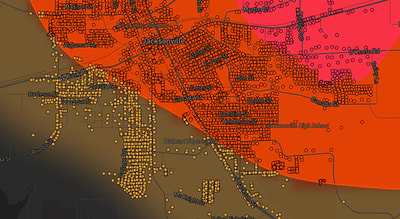
See exactly what you get.
Explore the full Springdale, AR Strike Map free – hail track, address overlay, and CSV download. No account required.
Try the Free Demo →