Mirando City, TX Hail Storm – November 2025
November 26, 2025 hail storm near Mirando City, TX. Radar-confirmed hail track and contractor lead lists available.
Max Hail
4"4" est.
confirmed
Zones
6
NWS alerts
Radar
96
dual-pol hits
Spotter
–
field reports
NWS WARNING AREA · Mirando City Metro · Nov 26, 2025
Intelligence Platform
StormSnipe Pro
$49/ mo
Cancel anytime · No contracts
›All 50 states
›No zone limits
›No per-event fees
Subscribe to Pro
Billed monthly · Cancel anytime
What's included
Instant delivery
Every storm published within hours of NOAA confirmation.
Interactive Strike Map
Full radar-confirmed hail track on an interactive map.
Address CSV export
Every affected residential address, export-ready.
Smart alerts
Notified when a storm hits your area. Set zones once.
Nationwide coverage
All 50 states. No zone restrictions. No geographic caps.
Live pipeline
NOAA NEXRAD processed and delivered 24/7.
NWS WARNING AREAS · 6
This storm generated 6 NWS alert zones. Pro access covers the complete storm track and all addresses across every zone.
ZONE 1NWS CRP
Mirando City, TX
Dual-Pol Radar
2 addresses in warning area
Alert issued Wed, Nov 26 · 3:26 AM UTC
4"
confirmed
1.75"
est. (NWS)
ZONE 2NWS CRP
Mirando City, TX
Dual-Pol Radar
54 addresses in warning area
Alert issued Wed, Nov 26 · 3:45 AM UTC
4"
confirmed
3"
est. (NWS)
ZONE 3NWS CRP
Laredo, TX
Dual-Pol Radar
5 addresses in warning area
Alert issued Wed, Nov 26 · 3:59 AM UTC
4"
confirmed
4"
est. (NWS)
ZONE 4NWS CRP
Laredo, TX
Dual-Pol Radar
Alert issued Wed, Nov 26 · 4:37 AM UTC
1.5"
confirmed
1"
est. (NWS)
ZONE 5NWS CRP
Laredo, TX
Dual-Pol Radar
Alert issued Wed, Nov 26 · 5:01 AM UTC
1.5"
confirmed
1"
est. (NWS)
ZONE 6NWS CRP
Laredo, TX
Dual-Pol Radar
7 addresses in warning area
Alert issued Wed, Nov 26 · 5:10 AM UTC
1.5"
confirmed
1"
est. (NWS)
Mirando City, TX saw a concluded hail storm on November 26, 2025, with peak hail verified at 4 inches.
What Happened
The storm produced a cluster of six hail alerts between 9:26 PM CST and 11:10 PM CST. Early radar detections showed 1.75-inch hail at 9:26 PM CST, then 3-inch hail at 9:45 PM CST. The peak came at 9:59 PM CST, when dual-polarization radar showed confidence in 4-inch hail.
Later alerts held at 1 inch at 10:37 PM CST, 11:01 PM CST, and 11:10 PM CST. The sequence shows a storm that reached major hail size early, then continued to produce smaller hail signals as it moved through the warning area.
All six alerts carried dual-polarization radar confidence. The hail reports were extracted from the NWS alert set tied to this event.
Damage Assessment
A 4-inch hailstone can crack or puncture older asphalt shingles, bruise metal roofing, dent gutters, and break skylights. Vehicles parked in the open are exposed to roof, hood, and glass damage. Lightweight patio covers, vents, and soft metal trim are also vulnerable.
The 3-inch and 1.75-inch hail alerts point to a broad range of impact within the storm path. Properties that took the larger stones likely show concentrated roof and vehicle damage. Sites that only saw the smaller hail may still have visible dents, scuffs, and broken accessories, especially on exposed surfaces and east or south facing sides.
Inspection crews should expect damage to vary by roof age, pitch, and exposure time under the heaviest hail core. Soft metals and horizontal surfaces usually show the first clear signs. Granule loss on shingles may be present even where punctures are absent.
What Contractors Should Know
Field crews should start with roofs, gutters, downspouts, condensers, and exterior trim. On a 4-inch hail event, soft metal checks matter as much as shingle checks. Record roof slope, material type, and impact pattern before cleanup begins. Photograph all elevations and the first layer of visible defects.
Use the earliest high-end alert times as the main reference for dispatch order. The heaviest hail signal came at 9:59 PM CST, so structures closest to that part of the storm path should move first in the queue. Scan vehicle lots, RV pads, and outbuildings alongside residential roofs. Agricultural and light commercial sites in the warning area may show mixed damage depending on exposure and shelter.
For estimates, separate cosmetic dents from functional roof damage. Check for bruising, lifted tabs, cracked pipe boots, damaged flashing, and compromised seals around vents and skylights. On metal roofs, look for oil canning, punctures, and seam distortion. On flat roofs, inspect membranes, edge metal, and drain components.
Crews working Mirando City should also watch for repeat inspections where the 1-inch hail later in the event may have added incremental impacts to already damaged properties. Document every address with the same inspection standard, even where exterior damage is not obvious at street level.
Storm Details
- Start Date
- Tuesday, November 25, 2025
- Last Activity
- Tuesday, November 25, 2025
- Location
- Mirando City, TX
- Warning Areas
- 6
- Dual-Pol Radar
- 96
- Spotter Reports
- --
Preview Strike Map
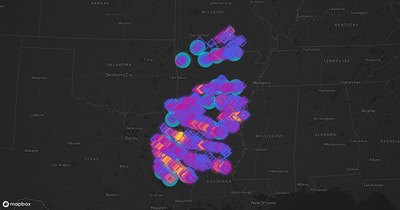
See exactly what you get.
Explore the full Springdale, AR Strike Map free – hail track, address overlay, and CSV download. No account required.
Try the Free Demo →