Buffalo, OK Hail Storm – March 2026
March 4, 2026 hail storm near Buffalo, OK. Radar-confirmed hail track and contractor lead lists available.
Max Hail
2"1.75" est.
confirmed
Zones
7
NWS alerts
Radar
335
dual-pol hits
Spotter
5
field reports
NWS WARNING AREA · Buffalo Metro · Mar 4, 2026
Intelligence Platform
StormSnipe Pro
$49/ mo
Cancel anytime · No contracts
›All 50 states
›No zone limits
›No per-event fees
Subscribe to Pro
Pro renews monthly until canceled · Cancel anytime in the billing portal
What's included
Instant delivery
Every storm published within hours of NOAA confirmation.
Interactive Strike Map
Full radar-confirmed hail track on an interactive map.
Address CSV export
Every affected residential address, export-ready.
Smart alerts
Notified when a storm hits your area. Set zones once.
Nationwide coverage
All 50 states. No zone restrictions. No geographic caps.
Live pipeline
NOAA NEXRAD processed and delivered 24/7.
Address data notice
Pro coverage in California, Vermont, and Oregon includes the confirmed hail track and Strike Map only — no address lists. State data-privacy law treats compiled address lists differently in those three states, so we exclude their addresses from extraction and delivery.
NWS WARNING AREAS · 7
This storm generated 7 NWS alert zones. Pro access covers the complete storm track and all addresses across every zone.
ZONE 1NWS OUN
Buffalo, OK
Dual-Pol Radar
908 addresses in warning area
Alert issued Wed, Mar 4 · 6:04 AM UTC
1.25"
confirmed
1"
est. (NWS)
ZONE 2NWS OUN
Buffalo, OK
Dual-Pol Radar
31 addresses in warning area
Alert issued Wed, Mar 4 · 6:09 AM UTC
2"
confirmed
1"
est. (NWS)
ZONE 3NWS AMA
Hereford, TX
Dual-Pol Radar
5,952 addresses in warning area
Alert issued Wed, Mar 4 · 6:10 AM UTC
1.75"
confirmed
1"
est. (NWS)
ZONE 4NWS AMA
Amarillo, TX
Dual-Pol Radar
99,507 addresses in warning area
Alert issued Wed, Mar 4 · 6:19 AM UTC
2"
confirmed
1.75"
est. (NWS)
ZONE 5NWS AMA
Lipscomb, TX
Dual-Pol Radar
500 addresses in warning area
Alert issued Wed, Mar 4 · 6:30 AM UTC
1.25"
confirmed
1"
est. (NWS)
ZONE 6NWS AMA
Panhandle, TX
Dual-Pol Radar
450 addresses in warning area
Alert issued Wed, Mar 4 · 6:58 AM UTC
1.25"
confirmed
1"
est. (NWS)
ZONE 7NWS ICT
Harper, KS
Dual-Pol Radar
14 addresses in warning area
Alert issued Wed, Mar 4 · 8:04 AM UTC
1.75"
confirmed
1"
est. (NWS)
Buffalo, OK saw a concluded hail event on March 4, 2026, with peak hail at 1 inch. Two severe thunderstorm alerts carried radar and spotter verified confidence during the early morning hours.
What Happened
The first alert came at 12:04 AM CST on March 4, with 1 inch hail reported in the warning area. A second alert followed five minutes later at 12:09 AM CST, also calling for 1 inch hail. Both alerts carried radar and spotter verified confidence.
The timing points to a short-lived but confirmed hail episode across the Buffalo area overnight. The event is concluded.
Damage Assessment
Hail up to 1 inch can produce scattered damage to roofs, vents, siding, gutters, window screens, and soft metals. The risk rises on older roofs, impact-sensitive shingles, and buildings with exposed accessories.
For contractors, the work list should start with roof slopes that took the most direct exposure during the warning window. Check ridge caps, penetrations, flashing, and edge metal. On metal roofs, look for finish loss, denting, and seal failures at fasteners and seams. On asphalt roofs, look for bruising, torn tabs, and granule displacement.
Crews should also inspect HVAC condensers, skylights, canopies, and vehicles in the same path. Small hail events often leave mixed damage. One property may show only cosmetic impacts while another nearby has functional roof loss or broken exterior components. Document each elevation separately and note impact marks that align with the hail timing.
What Contractors Should Know
Plan the canvass around the overnight alert sequence. The two verified alerts arrived at 12:04 AM CST and 12:09 AM CST, both at 1 inch hail. That narrows the field window for initial homeowner outreach and makes it easier to separate this event from any later weather in the same market.
Use direct inspection language in the field. Record the roof type, slope, age indicators, and visible impacts before any repair discussion. On completed inspections, include photos of bruising, cracked accessories, denting, and any collateral issues on gutters, vents, and siding. If the home sits near the edge of the warning area, confirm whether the observed damage matches the alert timing and exposure.
Keep estimates tied to documented conditions. A 1 inch hail event can produce repairable loss on one structure and limited cosmetic impact on another. The difference often comes down to roof material, storm path, and how long the property sat under the hail core.
For precise hail track data, review the Strike Map.
Storm Details
- Start Date
- Wednesday, March 4, 2026
- Last Activity
- Wednesday, March 4, 2026
- Location
- Buffalo, OK
- Warning Areas
- 7
- Dual-Pol Radar
- 335
- Spotter Reports
- 5
Preview Strike Map
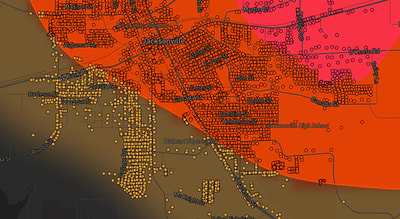
See exactly what you get.
Explore the full Springdale, AR Strike Map free – hail track, address overlay, and CSV download. No account required.
Try the Free Demo →