La Place, LA Hail Storm – March 2026
March 16, 2026 hail storm near La Place, LA. Radar-confirmed hail track and contractor lead lists available.
Max Hail
2"1.5" est.
confirmed
Zones
3
NWS alerts
Radar
100
dual-pol hits
Spotter
2
field reports
Dual-Pol Radar
Spotter Report
NWS Warning
NWS WARNING AREA · La Place Metro · Mar 16, 2026 · Click a zone to highlight
PURCHASE THIS STORM
Full storm data delivered to all buyers. No slot limit.
By purchasing, you agree to our Terms of Service and acknowledge the Data Accuracy Disclaimer. Address lists are derived from NOAA radar and federal databases; inclusion does not guarantee property damage.
Pro gets 1-hour priority access
From $49/mo · Auto-delivered leads
NWS WARNING AREAS · 3
This storm generated 3 NWS alert zones. One purchase covers the complete storm track and all addresses across every zone.
ZONE 1NWS LIX
La Place, LA
Dual-Pol Radar
Alert issued Mon, Mar 16 · 6:25 AM UTC
1"
confirmed
1"
est. (NWS)
ZONE 2NWS LIX
Slidell, LA
Dual-Pol Radar
Alert issued Mon, Mar 16 · 7:46 AM UTC
2"
confirmed
1.5"
est. (NWS)
ZONE 3NWS LIX
Saint Bernard, LA
Dual-Pol Radar
Alert issued Mon, Mar 16 · 8:21 AM UTC
1.5"
confirmed
1.25"
est. (NWS)
La Place, LA saw a concluded hail event on March 16, 2026, with a maximum confirmed hail size of 1.5 inches. Three separate NWS alerts marked the storm from 1:25 AM CDT through 3:21 AM CDT.
What Happened
The storm began with a 1-inch hail alert at 1:25 AM CDT, supported by dual-polarization radar and NEXRAD hail detection confidence. A stronger alert followed at 2:46 AM CDT with a 1.5-inch hail report verified by radar and a spotter. A third alert at 3:21 AM CDT lowered the hail size to 1.25 inches, again supported by dual-polarization radar confidence.
The alert sequence shows a storm that held severe hail potential for nearly two hours overnight. The highest verified hail size came from the middle alert, which set the peak at 1.5 inches for the La Place metro area.
Damage Assessment
Hail in the 1 to 1.5-inch range can affect roofs, vents, gutters, siding, screens, and soft metals. Asphalt shingles may show bruising, granule loss, and edge damage. Vehicles parked outside can show dents and broken trim. Window screens and exterior HVAC fins can also show impact marks.
Reports in this size range often produce mixed surface outcomes across a metro area. One property can show clear impact while a nearby roof or car lot shows lighter marks. Wind direction, roof age, pitch, and parking exposure can create sharp differences across short distances.
For La Place, the overnight timing adds another field factor. Crews should expect fewer visual clues from witnesses and more reliance on roof inspections, vehicle checks, and exterior component review. Hail that falls before dawn can leave the first damage calls concentrated around morning discovery rather than the storm itself.
What Contractors Should Know
Start with roof slopes, south and west exposures, and metal accessories. Look for bruised shingles, exposed mat, cracked ridge caps, dented flashing, and damaged pipe collars. Check gutters, downspouts, fascia, and vents for impact points. On metal roofs, look for fresh dimples and coating loss. On commercial properties, review HVAC fins, roof-mounted units, and skylight frames.
Document every elevation separately. A 1.5-inch hail report can produce different outcomes on the same street, especially when trees, slope, and roof material change from parcel to parcel. Photograph soft-metal damage, screen tears, and collateral impacts on vehicles or outdoor equipment. Compare roof conditions against nearby homes and businesses that share the same storm path.
For estimates, separate cosmetic marks from functional issues. Crews should note fractured tabs, sealant disruption, open fasteners, and drainage problems where hail and debris moved together. In a metro event with three overnight alerts, the field call is not limited to one roof type or one neighborhood.
Storm Details
- Start Date
- Monday, March 16, 2026
- Last Activity
- Monday, March 16, 2026
- Location
- La Place, LA
- Warning Areas
- 3
- Dual-Pol Radar
- 100
- Spotter Reports
- 2
StormSnipe Pro
BEST VALUENever miss a storm in your market.
Auto-delivered leads with 1-hour priority access before shared buyers. Set it and close more jobs.
$49
/mo
1 Zone
POPULAR
$99
/mo
5 Zones
$199
/mo
Unlimited
- 1-hour priority access before public
- Auto-delivered every storm in your market
- Interactive Strike Map + hail track
Cancel anytime · No commitment
Try Before You Buy
See exactly what you get.
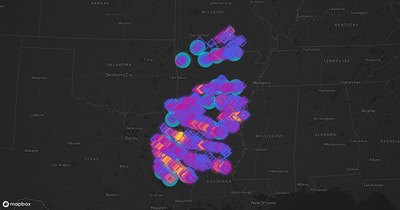
Explore the full Springdale, AR Strike Map free – hail track, address overlay, and CSV download. No account required.
Try the Free Demo →