Richlands, NC Hail Storm – March 2026
March 16, 2026 hail storm near Richlands, NC. Radar-confirmed hail track and contractor lead lists available.
Max Hail
0.75"1" est.
confirmed
Zones
6
NWS alerts
Radar
–
dual-pol hits
Spotter
2
field reports
Dual-Pol Radar
Spotter Report
NWS Warning
NWS WARNING AREA · Richlands Metro · Mar 16, 2026 · Click a zone to highlight
PURCHASE THIS STORM
Full storm data delivered to all buyers. No slot limit.
By purchasing, you agree to our Terms of Service and acknowledge the Data Accuracy Disclaimer. Address lists are derived from NOAA radar and federal databases; inclusion does not guarantee property damage.
Pro gets 1-hour priority access
From $49/mo · Auto-delivered leads
NWS WARNING AREAS · 6
This storm generated 6 NWS alert zones. One purchase covers the complete storm track and all addresses across every zone.
ZONE 1NWS MHX
Richlands, NC
NWS Warning
Alert issued Mon, Mar 16 · 5:13 PM UTC
1"
est. (NWS)
ZONE 2NWS MHX
Dover, NC
Spotter Reported
269 addresses in warning area
Alert issued Mon, Mar 16 · 5:54 PM UTC
0.75"
confirmed
1"
est. (NWS)
ZONE 3NWS MHX
Robersonville, NC
Spotter Reported
Alert issued Mon, Mar 16 · 6:25 PM UTC
0.75"
confirmed
1"
est. (NWS)
ZONE 4NWS MHX
Plymouth, NC
Spotter Reported
65 addresses in warning area
Alert issued Mon, Mar 16 · 6:30 PM UTC
0.75"
confirmed
1"
est. (NWS)
ZONE 5NWS MHX
Winterville, NC
Spotter Reported
Alert issued Mon, Mar 16 · 7:02 PM UTC
0.75"
confirmed
1"
est. (NWS)
ZONE 6NWS MHX
Stumpy Point, NC
NWS Warning
Alert issued Mon, Mar 16 · 7:54 PM UTC
1"
est. (NWS)
What Happened
A severe thunderstorm crossed the Richlands, NC area on March 16, 2026, producing verified 1-inch hail during a four-hour window from early afternoon into late afternoon. The storm generated multiple NWS alerts and field reports, with the strongest hail confirmations arriving between 1:13 PM EDT and 3:54 PM EDT.
The first alert came at 1:13 PM EDT with a warning-area hail call of 1 inch. By 1:54 PM EDT, dual-polarization radar also detected 1-inch hail. Spotter reports followed at 2:25 PM EDT, 2:30 PM EDT, and 3:02 PM EDT, each again tied to 1-inch hail. A later dual-polarization radar detection at 3:54 PM EDT closed out the sequence.
Field reports added a clearer surface picture. Around 2:34 PM EDT, Dominion Energy reported about 250 customers without power in southern Martin County due to storm damage. At 2:38 PM EDT, Tideland Electric reported a tree on powerlines, with the timing based on radar. Both reports were spotter-verified and placed the storm on the ground in a narrow corridor during the middle part of the event.
The Richlands storm stayed active through the afternoon, but the hail confirmation came in clusters rather than as one isolated burst. The radar and spotter timeline shows repeated hail detection across several hours, with the field reports landing just after the first radar-verified hail signals.
Damage Assessment
The verified damage reports point to localized tree and utility impacts rather than widespread structural loss. Southern Martin County took the clearest hit in the available field reports, where Dominion Energy documented roughly 250 customers without power and Tideland Electric reported a tree on powerlines. Both reports were tied to the same storm window and were consistent with a brief but disruptive severe-weather passage.
The report set includes repeated spotter-verified observations, but the ground impacts stayed limited in scope. No broader collapse pattern, large-volume debris field, or concentrated structural damage appears in the provided field reports. The strongest documented effects were utility interruption and a downed tree on powerlines.
The storm’s hail reports also stayed at the 1-inch threshold. That puts the event in a range that can damage roof surfaces, soft metals, and vehicle exteriors in exposed locations, but the available reports do not show a wider damage survey beyond the utility and vegetation impacts already logged. The field evidence is centered on a narrow band of storm influence rather than a countywide damage swath.
For contractors, the key takeaway is simple. This was a hail-producing storm with verified surface effects, but the documented damage is specific and localized. Roofing and exterior crews should look first at the areas near southern Martin County where the outage and tree-on-lines report landed, then inspect nearby neighborhoods that were in the same storm path during the 2 PM hour.
Storm Details
- Start Date
- Monday, March 16, 2026
- Last Activity
- Monday, March 16, 2026
- Location
- Richlands, NC
- Warning Areas
- 6
- Dual-Pol Radar
- --
- Spotter Reports
- 2
StormSnipe Pro
BEST VALUENever miss a storm in your market.
Auto-delivered leads with 1-hour priority access before shared buyers. Set it and close more jobs.
$49
/mo
1 Zone
POPULAR
$99
/mo
5 Zones
$199
/mo
Unlimited
- 1-hour priority access before public
- Auto-delivered every storm in your market
- Interactive Strike Map + hail track
Cancel anytime · No commitment
Try Before You Buy
See exactly what you get.
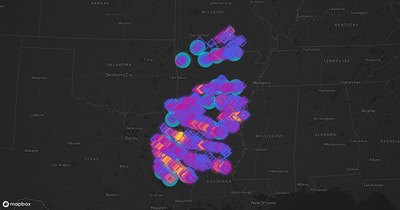
Explore the full Springdale, AR Strike Map free – hail track, address overlay, and CSV download. No account required.
Try the Free Demo →