Knoxville, TN Hail Storm – March 2026
March 21, 2026 hail storm near Knoxville, TN. Radar-confirmed hail track and contractor lead lists available.
Max Hail
1.5"1" est.
confirmed
Zones
2
NWS alerts
Radar
16
dual-pol hits
Spotter
2
field reports
Dual-Pol Radar
Spotter Report
NWS Warning
NWS WARNING AREA · Knoxville Metro · Mar 21, 2026 · Click a zone to highlight
PURCHASE THIS STORM
Full storm data delivered to all buyers. No slot limit.
By purchasing, you agree to our Terms of Service and acknowledge the Data Accuracy Disclaimer. Address lists are derived from NOAA radar and federal databases; inclusion does not guarantee property damage.
Pro gets 1-hour priority access
From $49/mo · Auto-delivered leads
NWS WARNING AREAS · 2
This storm generated 2 NWS alert zones. One purchase covers the complete storm track and all addresses across every zone.
ZONE 1NWS MRX
Knoxville, TN
Dual-Pol Radar
5,502 addresses in warning area
Alert issued Sat, Mar 21 · 9:08 PM UTC
1.5"
confirmed
1"
est. (NWS)
ZONE 2NWS MRX
Knoxville, TN
Dual-Pol Radar
3,375 addresses in warning area
Alert issued Sat, Mar 21 · 10:17 PM UTC
1.5"
confirmed
1"
est. (NWS)
Knoxville, TN was under two severe thunderstorm warnings on March 21, 2026, each carrying a 1-inch hail threat. The storm system moved through the metro in the late afternoon and early evening.
What Happened
The first warning reached the Knoxville area at 4:08 PM CDT. A second warning followed at 5:17 PM CDT. Both alerts carried the same 1-inch hail threshold.
This was a concluded storm event. The record reflects NWS warning data for the metro area only. No radar or spotter confirmation was included with either alert.
The warning sequence points to a storm that maintained hail potential for more than an hour across the Knoxville metro. The broader warning area covered the path of the storm as it moved through the region. Specific street-level impact can vary inside that polygon.
Damage Assessment
A 1-inch hail threat is large enough to bring roof shingle bruising, minor gutter dents, and broken soft exterior surfaces. Vehicles parked outside can show dings on hoods, roofs, and mirrors. Skylights, patio covers, and exposed HVAC fins can also be affected.
For contractors, the practical issue is not just the hail size. It is the combination of warning timing, roof age, and the number of properties inside the warning area. In Knoxville, a metro-wide warning can place homes, retail centers, multifamily buildings, and light industrial sites under the same alert even when impacts differ block by block.
Initial walk-arounds should focus on slopes with direct exposure, ridge caps, vents, pipe boots, soft metals, and any older asphalt shingles already showing granule loss. On commercial property, inspect rooftop units, membrane flashings, downspouts, and parking areas for paired hail and wind marks.
What Contractors Should Know
The 4:08 PM CDT warning and the 5:17 PM CDT warning create two separate canvass windows. Crews should sort properties by roof type, age, and exposure before setting inspection routes. That keeps the first pass focused on roofs most likely to show visible hail impact within the warning area.
Document conditions before any repair work begins. Photos should show the property, roof plane, metal trim, and any collateral marks on siding, vents, or vehicle surfaces. For multi-family and commercial jobs, note the building count, the slope direction, and the approximate time each location fell inside the alert area.
Use the warning timeline to sequence outreach. Homes and businesses with recent exterior replacement may need less urgent review than older roofs in the same metro. In Knoxville, the two alerts support a broader canvass across neighborhoods that fell within the warning area during the late afternoon and early evening.
If you are comparing locations across the metro, keep the warning polygon separate from any precise hail track product. The alert area shows where the NWS warned for hail.
Storm Details
- Start Date
- Saturday, March 21, 2026
- Last Activity
- Saturday, March 21, 2026
- Location
- Knoxville, TN
- Warning Areas
- 2
- Dual-Pol Radar
- 16
- Spotter Reports
- 2
StormSnipe Pro
BEST VALUENever miss a storm in your market.
Auto-delivered leads with 1-hour priority access before shared buyers. Set it and close more jobs.
$49
/mo
1 Zone
POPULAR
$99
/mo
5 Zones
$199
/mo
Unlimited
- 1-hour priority access before public
- Auto-delivered every storm in your market
- Interactive Strike Map + hail track
Cancel anytime · No commitment
Try Before You Buy
See exactly what you get.
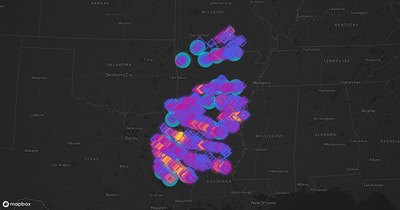
Explore the full Springdale, AR Strike Map free – hail track, address overlay, and CSV download. No account required.
Try the Free Demo →