Atlanta, GA Hail Storm – April 2026
April 1, 2026 hail storm near Atlanta, GA. Radar-confirmed hail track and contractor lead lists available.
Max Hail
1.5"1.5" est.
confirmed
Zones
2
NWS alerts
Radar
10
dual-pol hits
Spotter
–
field reports
Dual-Pol Radar
Spotter Report
NWS Warning
NWS WARNING AREA · Atlanta Metro · Apr 1, 2026 · Click a zone to highlight
PURCHASE THIS STORM
Full storm data delivered to all buyers. No slot limit.
By purchasing, you agree to our Terms of Service and acknowledge the Data Accuracy Disclaimer. Address lists are derived from NOAA radar and federal databases; inclusion does not guarantee property damage.
Pro gets 1-hour priority access
From $49/mo · Auto-delivered leads
NWS WARNING AREAS · 2
This storm generated 2 NWS alert zones. One purchase covers the complete storm track and all addresses across every zone.
ZONE 1NWS GAC159
Monticello, GA
Dual-Pol Radar
Alert issued Wed, Apr 1 · 8:36 PM UTC
1.5"
confirmed
1.5"
est. (NWS)
ZONE 2NWS FFC
Atlanta, GA
Dual-Pol Radar
Alert issued Wed, Apr 1 · 8:36 PM UTC
1.25"
confirmed
1"
est. (NWS)
What Happened
Atlanta, GA saw a concluded hail event on April 1, 2026, with verified hail up to 1 inch in diameter. The storm moved through the metro during the late afternoon and was tied to one severe thunderstorm alert.
The alert was issued at 4:36 PM EDT and carried a 1 inch hail threat with spotter-reported confidence. No additional alert segments were included in this single-zone report.
Damage Assessment
One-inch hail sits at the upper end of common roof and exterior damage thresholds. The most likely impacts are bruised roofing, damaged soft metals, cracked plastic vents, and dents on vehicles left outside. Fresh shingle hits may not show up from the ground immediately.
On homes in Atlanta, the damage pattern would usually concentrate on exposed slopes, ridge caps, gutters, downspouts, window trim, and roof accessories. Siding, awnings, and skylights can also show impact marks when hail reaches this size. Vehicles parked in open lots can take visible dents across hoods, roofs, and trunk lids.
Reports from this size range often call for roof checks, soft-metal inspection, and photo documentation before any repair work begins. Isolated impacts can be uneven across a neighborhood, so one house may show visible loss while the next block only shows minor marks.
What Contractors Should Know
Field crews should start with the roof perimeter, then move to slopes that face the storm path. Check gutters, downspouts, drip edge, ridge vents, pipe boots, and satellite hardware. On steep or dark roofs, bruising can be hard to see without close inspection. Granule loss, fractured tabs, and exposed mat need to be logged with location-specific photos.
Crews should also document vehicles, window screens, fencing, and exterior trim. In a metro report like Atlanta, access can be scattered across residential pockets, commercial corridors, and apartment clusters. Ask for date-stamped photos, note the street address, and keep repair estimates tied to observed impacts rather than broad neighborhood assumptions.
When meeting property owners, focus on visible hail marks, roof age, and the presence of soft-metal dents. For claims work, separate storm-related marks from wear, construction defects, and prior damage. That keeps the file clean and avoids confusion during inspection.
Review the Strike Map for precise hail track data across Atlanta and the surrounding metro.
Storm Details
- Start Date
- Wednesday, April 1, 2026
- Last Activity
- Wednesday, April 1, 2026
- Location
- Atlanta, GA
- Warning Areas
- 2
- Dual-Pol Radar
- 10
- Spotter Reports
- --
StormSnipe Pro
BEST VALUENever miss a storm in your market.
Auto-delivered leads with 1-hour priority access before shared buyers. Set it and close more jobs.
$49
/mo
1 Zone
POPULAR
$99
/mo
5 Zones
$199
/mo
Unlimited
- 1-hour priority access before public
- Auto-delivered every storm in your market
- Interactive Strike Map + hail track
Cancel anytime · No commitment
Try Before You Buy
See exactly what you get.
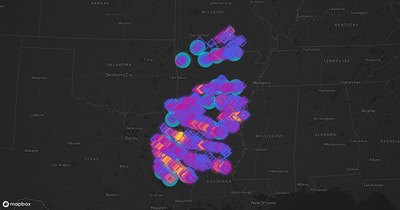
Explore the full Springdale, AR Strike Map free – hail track, address overlay, and CSV download. No account required.
Try the Free Demo →