Jackson, MS Hail Storm – April 2026
April 1, 2026 hail storm near Jackson, MS. Radar-confirmed hail track and contractor lead lists available.
Max Hail
1.75"1.75" est.
confirmed
Zones
2
NWS alerts
Radar
14
dual-pol hits
Spotter
–
field reports
NWS WARNING AREA · Jackson Metro · Apr 1, 2026
Intelligence Platform
StormSnipe Pro
$49/ mo
Cancel anytime · No contracts
›All 50 states
›No zone limits
›No per-event fees
Subscribe to Pro
Billed monthly · Cancel anytime
What's included
Instant delivery
Every storm published within hours of NOAA confirmation.
Interactive Strike Map
Full radar-confirmed hail track on an interactive map.
Address CSV export
Every affected residential address, export-ready.
Smart alerts
Notified when a storm hits your area. Set zones once.
Nationwide coverage
All 50 states. No zone restrictions. No geographic caps.
Live pipeline
NOAA NEXRAD processed and delivered 24/7.
NWS WARNING AREAS · 2
This storm generated 2 NWS alert zones. Pro access covers the complete storm track and all addresses across every zone.
ZONE 1NWS MSC069
De Kalb, MS
Dual-Pol Radar
Alert issued Wed, Apr 1 · 7:41 PM UTC
1.75"
confirmed
1.75"
est. (NWS)
ZONE 2NWS JAN
Jackson, MS
Dual-Pol Radar
Alert issued Wed, Apr 1 · 7:41 PM UTC
1.75"
confirmed
1"
est. (NWS)
What Happened
Jackson, Mississippi saw a hail storm on April 1, 2026. The event produced a maximum confirmed hail size of 1 inch in the metro area.
The National Weather Service issued one severe thunderstorm alert for the storm at 2:41 PM CDT. The alert called for 1 inch hail and included a spotter-reported confidence note. No additional alerts were listed for this single-zone event.
The storm moved through during the afternoon period. The warning area covered the general path of the storm through the Jackson metro. The verified hail report tied the event to the city and placed the peak hail size at 1 inch.
For public reporting, this is a concluded hail event. The alert has expired and the storm is no longer active.
Damage Assessment
One-inch hail is large enough to mark up soft roofing materials, dent exposed metal, and crack weaker exterior components. On vehicles, hail of this size can leave visible dents on hoods, roofs, and trunk lids. Windshields may survive, but glass damage remains possible if the stones were concentrated or if the same surface took repeated hits.
Siding, vents, window trim, and patio covers often show the first visible signs on a storm of this size. Fresh impacts can be subtle from the ground. Aluminum trim and painted surfaces may show small, round dents that line up with the hail core path. Roof damage can be uneven across a neighborhood, with one block showing clean shingles and the next showing bruising, granule loss, or edge damage.
On residential roofs, the strongest indicators usually appear on slopes that faced the incoming storm. Impact marks may be limited to a narrow band rather than the full roof. That pattern is common in short hail events with one reported maximum size, especially when the storm moved quickly through a metro area.
Commercial properties can show similar spot damage on skylights, membrane edges, rooftop units, and metal flashings. Flat roofs may collect hail marks on seams, drains, and rooftop accessories before any larger field of damage becomes obvious. Contractors should expect mixed conditions from building to building, even inside the same warning area.
What Contractors Should Know
Treat this as a targeted inspection event, not a broad-loss assumption. The confirmed hail size was 1 inch, so field crews should focus on roof surfaces, gutters, downspouts, vents, soft metals, and vehicle exposure first. Pay attention to south- and west-facing slopes if the storm approached from the west or southwest. Look for clustered marks, not just isolated dents.
Document every impact with location, slope, material type, and photo angle. Small hail can produce scattered cosmetic damage that is easy to miss during a quick drive-by. Use ladder access where needed. Check test squares on asphalt shingles, metal roof panels, ridge caps, and exposed HVAC components. If the property has screen enclosures or skylights, inspect those before interior conditions are checked.
Storm Details
- Start Date
- Wednesday, April 1, 2026
- Last Activity
- Wednesday, April 1, 2026
- Location
- Jackson, MS
- Warning Areas
- 2
- Dual-Pol Radar
- 14
- Spotter Reports
- --
Preview Strike Map
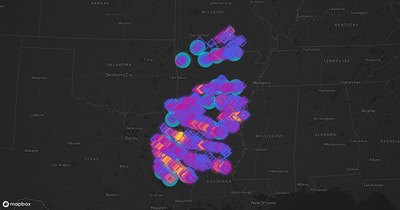
See exactly what you get.
Explore the full Springdale, AR Strike Map free – hail track, address overlay, and CSV download. No account required.
Try the Free Demo →