LMK Area, US Hail Storm – April 2026
April 1, 2026 hail storm near LMK Area, US. Radar-confirmed hail track and contractor lead lists available.
Max Hail
1.75"1" est.
confirmed
Zones
7
NWS alerts
Radar
98
dual-pol hits
Spotter
–
field reports
Dual-Pol Radar
Spotter Report
NWS Warning
NWS WARNING AREA · LMK Area Metro · Apr 1, 2026 · Click a zone to highlight
PURCHASE THIS STORM
Full storm data delivered to all buyers. No slot limit.
By purchasing, you agree to our Terms of Service and acknowledge the Data Accuracy Disclaimer. Address lists are derived from NOAA radar and federal databases; inclusion does not guarantee property damage.
Pro gets 1-hour priority access
From $49/mo · Auto-delivered leads
NWS WARNING AREAS · 7
This storm generated 7 NWS alert zones. One purchase covers the complete storm track and all addresses across every zone.
ZONE 1NWS LMK
LMK Area, US
Dual-Pol Radar
599 addresses in warning area
Alert issued Wed, Apr 1 · 6:20 PM UTC
1"
confirmed
1"
est. (NWS)
ZONE 2NWS LMK
LMK Area, US
Dual-Pol Radar
2,075 addresses in warning area
Alert issued Wed, Apr 1 · 6:57 PM UTC
1.75"
confirmed
1"
est. (NWS)
ZONE 3NWS LMK
LMK Area, US
Dual-Pol Radar
1,850 addresses in warning area
Alert issued Wed, Apr 1 · 7:22 PM UTC
1.25"
confirmed
1"
est. (NWS)
ZONE 4NWS LMK
LMK Area, US
Dual-Pol Radar
18,647 addresses in warning area
Alert issued Wed, Apr 1 · 8:13 PM UTC
1.5"
confirmed
1"
est. (NWS)
ZONE 5NWS LMK
LMK Area, US
NWS Warning
Alert issued Wed, Apr 1 · 8:14 PM UTC
1"
est. (NWS)
ZONE 6NWS LMK
LMK Area, US
Dual-Pol Radar
2,137 addresses in warning area
Alert issued Wed, Apr 1 · 8:53 PM UTC
1.5"
confirmed
1"
est. (NWS)
ZONE 7NWS LMK
LMK Area, US
Dual-Pol Radar
20,287 addresses in warning area
Alert issued Wed, Apr 1 · 11:07 PM UTC
1.5"
confirmed
1"
est. (NWS)
What Happened
LMK Area, US saw a concluded hail event on 2026-04-01 with a peak confirmed hail size of 1 inch. Seven NWS alerts from 1:20 PM CDT to 6:07 PM CDT carried spotter-reported 1-inch hail, with repeated reports through the afternoon and early evening.
The first alert came at 1:20 PM CDT, followed by additional alerts at 1:57 PM CDT, 2:22 PM CDT, 3:13 PM CDT, 3:14 PM CDT, 3:53 PM CDT, and 6:07 PM CDT. The sequence shows a multi-zone hail day with overlapping warning areas across the metro.
All seven alerts included spotter-reported confidence. The reports stayed at 1 inch through the event, which kept the hail size at the edge of severe criteria but below larger hail ranges seen in more destructive storms.
Damage Assessment
One-inch hail can break uproof systems, crack soft metals, dent gutters, and mark vehicles parked outdoors. It can also leave impact points on siding, window screens, and exterior trim, especially on older or thinner materials.
In residential and light commercial settings, the most common field checks are on roof coverings, ridge caps, vents, downspouts, and exposed HVAC units. Exterior damage often appears in a patchy pattern tied to where the hailcore crossed the property. Even when visible surface damage is limited, roof impact marks and granule loss can still be present.
In a multi-alert event like this one, the hail path may shift between warning areas over several hours. Contractors should expect scattered claims, not a single uniform damage line. The repeated spotter reports support a need for roof-level inspection in locations under the warning area during the afternoon and early evening.
What Contractors Should Know
Start with a property-by-property roof scan. Look for soft metal bruising, lifted shingles, broken seal strips, and impact marks on vents and flashing. Check north- and west-facing sides of structures first when the hail path moved in from changing storm segments, then work the full perimeter for gutter dents and fascia strikes.
Document each site with time, address, and exterior condition at the time of the visit. In this event, the repeated 1-inch reports across seven alerts suggest a longer service window for adjuster coordination and temporary protection calls. Prioritize homes, retail roofs, and detached structures with exposed metal surfaces, skylights, and older asphalt systems.
Use the storm timing to sort claims by likely exposure. Properties under the 1:20 PM CDT, 1:57 PM CDT, and 2:22 PM CDT alerts may show different impact patterns than those affected later in the afternoon. Late-day reports at 3:53 PM CDT and 6:07 PM CDT can also point to separate passes through the same metro.
For precise hail track data, review the paid Strike Map.
Storm Details
- Start Date
- Wednesday, April 1, 2026
- Last Activity
- Wednesday, April 1, 2026
- Location
- LMK Area, US
- Warning Areas
- 7
- Dual-Pol Radar
- 98
- Spotter Reports
- --
StormSnipe Pro
BEST VALUENever miss a storm in your market.
Auto-delivered leads with 1-hour priority access before shared buyers. Set it and close more jobs.
$49
/mo
1 Zone
POPULAR
$99
/mo
5 Zones
$199
/mo
Unlimited
- 1-hour priority access before public
- Auto-delivered every storm in your market
- Interactive Strike Map + hail track
Cancel anytime · No commitment
Try Before You Buy
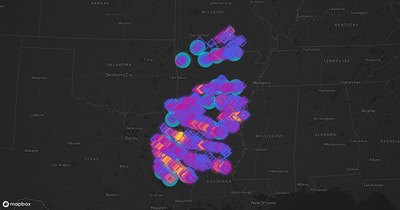
See exactly what you get.
Explore the full Springdale, AR Strike Map free – hail track, address overlay, and CSV download. No account required.
Try the Free Demo →