New Orleans, LA Hail Storm – April 2026
April 1, 2026 hail storm near New Orleans, LA. Radar-confirmed hail track and contractor lead lists available.
Max Hail
1.25"1.5" est.
confirmed
Zones
4
NWS alerts
Radar
25
dual-pol hits
Spotter
–
field reports
Dual-Pol Radar
Spotter Report
NWS Warning
NWS WARNING AREA · New Orleans Metro · Apr 1, 2026 · Click a zone to highlight
PURCHASE THIS STORM
Full storm data delivered to all buyers. No slot limit.
By purchasing, you agree to our Terms of Service and acknowledge the Data Accuracy Disclaimer. Address lists are derived from NOAA radar and federal databases; inclusion does not guarantee property damage.
Pro gets 1-hour priority access
From $49/mo · Auto-delivered leads
NWS WARNING AREAS · 4
This storm generated 4 NWS alert zones. One purchase covers the complete storm track and all addresses across every zone.
ZONE 1NWS LAC117
Bogalusa, LA
Dual-Pol Radar
Alert issued Wed, Apr 1 · 7:50 PM UTC
1.25"
confirmed
1.5"
est. (NWS)
ZONE 2NWS LIX
New Orleans, LA
Dual-Pol Radar
Alert issued Wed, Apr 1 · 7:50 PM UTC
1.25"
confirmed
1"
est. (NWS)
ZONE 3NWS LIX
New Orleans, LA
Dual-Pol Radar
Alert issued Wed, Apr 1 · 8:47 PM UTC
1.25"
confirmed
1"
est. (NWS)
ZONE 4NWS LAC117
Bogalusa, LA
Dual-Pol Radar
Alert issued Wed, Apr 1 · 8:47 PM UTC
1.25"
confirmed
1.5"
est. (NWS)
What Happened
New Orleans, Louisiana saw a concluded hail event on April 1, 2026, with 1-inch hail verified in two separate National Weather Service alert areas. The first alert came at 2:50 PM CDT, and the second followed at 3:47 PM CDT.
The storm moved through the metro in the afternoon and produced spotter-reported hail in both alert windows. The maximum confirmed size in this multi-zone report was 1 inch.
The timing points to two hail pulses within the same storm track. The first alert at 2:50 PM CDT covered the earlier hail core. The second alert at 3:47 PM CDT showed another round of 1-inch hail later in the afternoon.
Both alerts carried spotter-reported confidence. The storm is no longer active.
Damage Assessment
One-inch hail is a property issue for the New Orleans metro, especially on older roofs, soft metals, skylights, gutter runs, and exposed vehicle surfaces. Reports at this size often produce scattered dents, chipped shingles, bruised roof coverings, and cosmetic impact marks on siding and trim.
For contractors, the key point is that a 1-inch hail event can leave uneven damage across a broad warning area. Some homes take direct impacts. Nearby properties see little to no visible loss. Roof slope, exposure, and building age can change the outcome block by block.
In dense urban areas, roof damage may be harder to spot from the ground. Granule loss, fractured tabs, and shallow mat bruising can show up before leaks or interior signs. Metal vents, ridge caps, box gutters, and condensers can show impact patterns even when the main roof field looks intact.
Vehicles parked outside during the storm may show circular dents on hoods, trunks, mirrors, and roof panels. Window screens, pool enclosures, and lightweight outdoor fixtures can also show impact marks from hail in the 1-inch range.
This report is an aggregate view of the storm across multiple alert areas. It does not mean every address in the metro saw the same hail size.
What Contractors Should Know
Start with roofs closest to the reported alert times and then widen the search across the metro in the later afternoon path. Focus on shingle slopes, ridge lines, flashing, soft metals, and any area with direct exposure to the storm track. In New Orleans, flat and low-slope roofs often collect the clearest field signs, while steep residential roofs may hide edge damage and bruising.
Use a roof-to-ground approach. Check the roof first, then compare with gutters, downspouts, condensers, screens, and vehicle damage in the same block. Spotter-verified 1-inch hail usually warrants a full exterior review even when visible damage is limited from the street. Pay close attention to neighborhoods that sat under both alert windows, since repeated hail can increase the chance of uneven impact patterns.
Storm Details
- Start Date
- Wednesday, April 1, 2026
- Last Activity
- Wednesday, April 1, 2026
- Location
- New Orleans, LA
- Warning Areas
- 4
- Dual-Pol Radar
- 25
- Spotter Reports
- --
StormSnipe Pro
BEST VALUENever miss a storm in your market.
Auto-delivered leads with 1-hour priority access before shared buyers. Set it and close more jobs.
$49
/mo
1 Zone
POPULAR
$99
/mo
5 Zones
$199
/mo
Unlimited
- 1-hour priority access before public
- Auto-delivered every storm in your market
- Interactive Strike Map + hail track
Cancel anytime · No commitment
Try Before You Buy
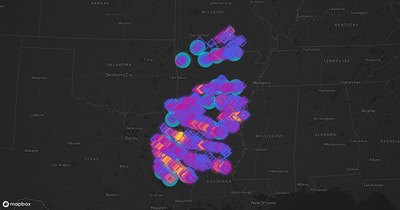
See exactly what you get.
Explore the full Springdale, AR Strike Map free – hail track, address overlay, and CSV download. No account required.
Try the Free Demo →