Springfield, MO Hail Storm – April 2026
April 1, 2026 hail storm near Springfield, MO. Radar-confirmed hail track and contractor lead lists available.
Max Hail
0.75"1" est.
confirmed
Zones
3
NWS alerts
Radar
1
dual-pol hits
Spotter
–
field reports
Dual-Pol Radar
Spotter Report
NWS Warning
NWS WARNING AREA · Springfield Metro · Apr 1, 2026 · Click a zone to highlight
PURCHASE THIS STORM
Full storm data delivered to all buyers. No slot limit.
By purchasing, you agree to our Terms of Service and acknowledge the Data Accuracy Disclaimer. Address lists are derived from NOAA radar and federal databases; inclusion does not guarantee property damage.
Pro gets 1-hour priority access
From $49/mo · Auto-delivered leads
NWS WARNING AREAS · 3
This storm generated 3 NWS alert zones. One purchase covers the complete storm track and all addresses across every zone.
ZONE 1NWS MOC039
El Dorado Springs, MO
Dual-Pol Radar
Alert issued Wed, Apr 1 · 11:37 PM UTC
0.75"
confirmed
1"
est. (NWS)
ZONE 2NWS SGF
Springfield, MO
Dual-Pol Radar
Alert issued Wed, Apr 1 · 11:37 PM UTC
0.75"
confirmed
1"
est. (NWS)
ZONE 3NWS SGF
Springfield, MO
NWS Warning
Alert issued Thu, Apr 2 · 2:35 AM UTC
1"
est. (NWS)
What Happened
Springfield, MO saw two spotter-verified hail alerts on April 1, 2026, with the largest verified hail at 1 inch. The storm was concluded by the end of the event period.
The first alert came at 6:37 PM CDT and called for 1-inch hail with spotter-reported confidence. A second alert followed at 9:35 PM CDT, also for 1-inch hail and also tied to spotter-reported confidence. Both alerts were part of the same multi-zone storm report for the Springfield metro area.
The hail reports stayed at the same size through both alert cycles. No larger verified hail size was included in the storm record for this event. The timing places the main hail threat through the evening hours, with the later alert extending the hail concern deeper into the night.
Damage Assessment
A 1-inch hail event can affect roofs, soft metals, exterior trim, gutters, skylights, and vehicle surfaces. Asphalt shingles may show bruising or surface loss, especially on older roofs or roofs with prior wear.
Metal roofs often show denting in exposed panels, ridge caps, vents, and flashing. Vinyl siding, window screens, and air-conditioning fins can also take impact. On vehicles, 1-inch hail can leave visible dents on hoods, roofs, trunks, and mirror housings.
The two reported hail alerts suggest more than one hail-producing segment crossed the Springfield area. That means contractors should expect variation from one property to the next. One block may show only light cosmetic impact. Another may have a denser hail path with wider roof and siding damage.
For roof work, start with slopes that face the storm approach and then move to ridges, valleys, penetrations, and edges. Those areas often show the first signs of impact. Soft metal components should be checked alongside the roof surface, since hail often leaves the clearest field evidence on vents, flashing, and gutters.
What Contractors Should Know
Field crews in Springfield should focus on roofs, elevations, and vehicle exposure from the evening of April 1. A 1-inch hail report is large enough to justify close inspection of asphalt shingle systems, painted trim, screen enclosures, and metal accessories. Document each elevation separately. Do not treat the entire metro area as a single uniform impact field.
Use visible bruising, granule loss, bent metal, cracked vents, and damaged soft metals as the first pass indicators. Match roof findings with surrounding exterior damage on gutters, downspouts, fence caps, window screens, and HVAC fins. If the property has mixed construction ages, inspect older materials first. They often show hail impact sooner than newer components.
Pay close attention to the two reported hail times. The 6:37 PM CDT alert and the 9:35 PM CDT alert may reflect separate hail-producing cores or repeated impact along the same corridor. Recheck properties that sit near the storm path after the first round of findings. Multiple passes can leave a layered damage pattern across a neighborhood.
Storm Details
- Start Date
- Wednesday, April 1, 2026
- Last Activity
- Thursday, April 2, 2026
- Location
- Springfield, MO
- Warning Areas
- 3
- Dual-Pol Radar
- 1
- Spotter Reports
- --
StormSnipe Pro
BEST VALUENever miss a storm in your market.
Auto-delivered leads with 1-hour priority access before shared buyers. Set it and close more jobs.
$49
/mo
1 Zone
POPULAR
$99
/mo
5 Zones
$199
/mo
Unlimited
- 1-hour priority access before public
- Auto-delivered every storm in your market
- Interactive Strike Map + hail track
Cancel anytime · No commitment
Try Before You Buy
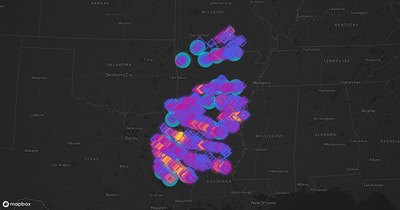
See exactly what you get.
Explore the full Springdale, AR Strike Map free – hail track, address overlay, and CSV download. No account required.
Try the Free Demo →