St. Louis, MO Hail Storm – April 2026
April 1, 2026 hail storm near St. Louis, MO. Radar-confirmed hail track and contractor lead lists available.
Max Hail
1.75"1.75" est.
confirmed
Zones
2
NWS alerts
Radar
17
dual-pol hits
Spotter
–
field reports
Dual-Pol Radar
Spotter Report
NWS Warning
NWS WARNING AREA · St. Louis Metro · Apr 1, 2026 · Click a zone to highlight
PURCHASE THIS STORM
Full storm data delivered to all buyers. No slot limit.
By purchasing, you agree to our Terms of Service and acknowledge the Data Accuracy Disclaimer. Address lists are derived from NOAA radar and federal databases; inclusion does not guarantee property damage.
Pro gets 1-hour priority access
From $49/mo · Auto-delivered leads
NWS WARNING AREAS · 2
This storm generated 2 NWS alert zones. One purchase covers the complete storm track and all addresses across every zone.
ZONE 1NWS MOC093
Annapolis, MO
Dual-Pol Radar
Alert issued Wed, Apr 1 · 6:55 PM UTC
1.75"
confirmed
1.75"
est. (NWS)
ZONE 2NWS LSX
St. Louis, MO
Dual-Pol Radar
Alert issued Wed, Apr 1 · 6:55 PM UTC
1.75"
confirmed
1"
est. (NWS)
What Happened
St. Louis, MO saw a concluded hail event on April 1, 2026. The storm produced a maximum confirmed hail size of 1 inch in the metro area.
An NWS alert was issued at 1:55 PM CDT with a 1-inch hail threat for the warning area. A spotter reported hail consistent with that size, which verified the storm as it moved across the St. Louis metro.
The event stayed centered on a single zone and did not expand into a broader multi-area hail outbreak. The reported hail size and the warning area aligned with a short-lived severe storm during the early afternoon.
Damage Assessment
A 1-inch hail event can produce scattered property damage. Roof impacts may include bruised shingles, granular loss, and localized cracks on older surfaces. Soft metals, vents, gutters, and window screens can also show impact marks.
Vehicles parked in the open may show dents and chipped glass if the hail fell with enough force and duration. Exterior trim, skylights, and HVAC housings can carry visible strike marks, especially on lighter roofing materials and aging siding.
In a metro area like St. Louis, damage can vary block by block. A short hail core may leave one side of a neighborhood with only light spotting and another with concentrated roof and vehicle impacts. Wind direction, tree cover, and roof age all change the field picture.
For roof and siding contractors, the key task is to separate cosmetic impacts from functional damage. Check ridge caps, flashing, pipe boots, soft metals, and the uphill sides of slope transitions. On steep or complex roofs, hail can leave fewer obvious marks from the ground but still create enough surface loss to support a repair claim.
What Contractors Should Know
Field crews should start with the warning area and the reported hail size, then narrow the inspection path to the hardest-hit corridors once they are on site. In a single-zone event like this one, the work is usually a neighborhood-scale canvass rather than a wide-area sweep. Focus on properties with direct exposure to the storm path, older asphalt roofs, and cars parked outside during the afternoon window.
Document hail impacts with close-range photos of shingle bruising, soft-metal dents, and collateral marks on downspouts, AC fins, and window wraps. Note roof age, material type, and slope direction. On metal surfaces, record strike pattern density. On asphalt, look for granule displacement and fractured mat lines rather than relying on ground-level appearance alone.
When customers ask whether the storm was severe enough to justify an inspection, use the reported 1-inch hail size and the spotter-verified alert as the starting point. Keep the estimate tied to the exact address and the storm timing. A brief event can still leave isolated claims across a compact metro footprint.
Storm Details
- Start Date
- Wednesday, April 1, 2026
- Last Activity
- Wednesday, April 1, 2026
- Location
- St. Louis, MO
- Warning Areas
- 2
- Dual-Pol Radar
- 17
- Spotter Reports
- --
StormSnipe Pro
BEST VALUENever miss a storm in your market.
Auto-delivered leads with 1-hour priority access before shared buyers. Set it and close more jobs.
$49
/mo
1 Zone
POPULAR
$99
/mo
5 Zones
$199
/mo
Unlimited
- 1-hour priority access before public
- Auto-delivered every storm in your market
- Interactive Strike Map + hail track
Cancel anytime · No commitment
Try Before You Buy
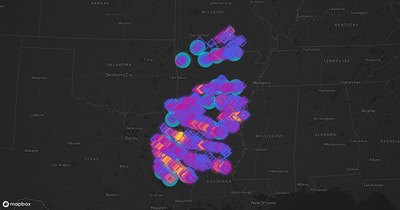
See exactly what you get.
Explore the full Springdale, AR Strike Map free – hail track, address overlay, and CSV download. No account required.
Try the Free Demo →