Kansas City, MO Hail Storm – April 2026
April 2, 2026 hail storm near Kansas City, MO. Radar-confirmed hail track and contractor lead lists available.
Max Hail
3.5"3.5" est.
confirmed
Zones
19
NWS alerts
Radar
73
dual-pol hits
Spotter
9
field reports
Dual-Pol Radar
Spotter Report
NWS Warning
NWS WARNING AREA · Kansas City Metro · Apr 2, 2026 · Click a zone to highlight
PURCHASE THIS STORM
Full storm data delivered to all buyers. No slot limit.
By purchasing, you agree to our Terms of Service and acknowledge the Data Accuracy Disclaimer. Address lists are derived from NOAA radar and federal databases; inclusion does not guarantee property damage.
Pro gets 1-hour priority access
From $49/mo · Auto-delivered leads
NWS WARNING AREAS · 19
This storm generated 19 NWS alert zones. One purchase covers the complete storm track and all addresses across every zone.
ZONE 1NWS EAX
Kansas City, MO
Dual-Pol Radar
192 addresses in warning area
Alert issued Thu, Apr 2 · 6:31 PM UTC
1.75"
confirmed
1"
est. (NWS)
ZONE 2NWS MOC081
Mercer, MO
Dual-Pol Radar
192 addresses in warning area
Alert issued Thu, Apr 2 · 6:31 PM UTC
1.75"
confirmed
1.75"
est. (NWS)
ZONE 3NWS DMX
Des Moines, IA
Dual-Pol Radar
852 addresses in warning area
Alert issued Thu, Apr 2 · 6:37 PM UTC
1.25"
confirmed
1"
est. (NWS)
ZONE 4NWS IAC053
Allerton, IA
Dual-Pol Radar
852 addresses in warning area
Alert issued Thu, Apr 2 · 6:37 PM UTC
1.25"
confirmed
1.75"
est. (NWS)
ZONE 5NWS IAC007
Centerville, IA
Dual-Pol Radar
1,468 addresses in warning area
Alert issued Thu, Apr 2 · 7:13 PM UTC
3"
confirmed
3.5"
est. (NWS)
ZONE 6NWS DMX
Des Moines, IA
Dual-Pol Radar
1,468 addresses in warning area
Alert issued Thu, Apr 2 · 7:13 PM UTC
3"
confirmed
1"
est. (NWS)
ZONE 7NWS EAX
Kansas City, MO
Dual-Pol Radar
Alert issued Thu, Apr 2 · 7:16 PM UTC
1.75"
confirmed
1"
est. (NWS)
ZONE 8NWS MOC129
Princeton, MO
Dual-Pol Radar
192 addresses in warning area
Alert issued Thu, Apr 2 · 7:16 PM UTC
1.75"
confirmed
1.75"
est. (NWS)
ZONE 9NWS DMX
Des Moines, IA
NWS Warning
Alert issued Thu, Apr 2 · 7:24 PM UTC
1"
est. (NWS)
ZONE 10NWS DMX
Des Moines, IA
Dual-Pol Radar
Alert issued Thu, Apr 2 · 7:41 PM UTC
1"
confirmed
1.25"
est. (NWS)
ZONE 11NWS IAC007
Corydon, IA
Dual-Pol Radar
993 addresses in warning area
Alert issued Thu, Apr 2 · 7:41 PM UTC
1"
confirmed
1.75"
est. (NWS)
ZONE 12NWS EAX
Kansas City, MO
Dual-Pol Radar
27 addresses in warning area
Alert issued Thu, Apr 2 · 7:42 PM UTC
1.25"
confirmed
1"
est. (NWS)
ZONE 13NWS MOC129
Powersville, MO
Dual-Pol Radar
190 addresses in warning area
Alert issued Thu, Apr 2 · 7:42 PM UTC
1.25"
confirmed
1.75"
est. (NWS)
ZONE 14NWS DMX
Des Moines, IA
Dual-Pol Radar
521 addresses in warning area
Alert issued Thu, Apr 2 · 7:45 PM UTC
2.5"
confirmed
1"
est. (NWS)
ZONE 15NWS IAC123
Albia, IA
Dual-Pol Radar
1,466 addresses in warning area
Alert issued Thu, Apr 2 · 7:45 PM UTC
2.5"
confirmed
3.5"
est. (NWS)
ZONE 16NWS IAC051
Ottumwa, IA
Dual-Pol Radar
13,548 addresses in warning area
Alert issued Thu, Apr 2 · 7:55 PM UTC
3.5"
confirmed
3.5"
est. (NWS)
ZONE 17NWS DMX
Des Moines, IA
Dual-Pol Radar
12,580 addresses in warning area
Alert issued Thu, Apr 2 · 7:55 PM UTC
3.5"
confirmed
2"
est. (NWS)
ZONE 18NWS MOC129
Lucerne, MO
Dual-Pol Radar
190 addresses in warning area
Alert issued Thu, Apr 2 · 7:56 PM UTC
1.5"
confirmed
1.75"
est. (NWS)
ZONE 19NWS EAX
Kansas City, MO
Dual-Pol Radar
Alert issued Thu, Apr 2 · 7:56 PM UTC
1.5"
confirmed
1.5"
est. (NWS)
What Happened
A severe hail storm moved through the Kansas City, MO metro on April 2, 2026, producing hail up to 1.5 inches and multiple spotter-verified reports by late afternoon. The strongest report came at 2:56 PM CDT, after earlier 1-inch hail alerts at 1:31 PM, 2:16 PM, and 2:42 PM.
The storm developed in a series of warning areas across the metro. NWS alert areas first noted 1-inch hail early in the afternoon, then repeated the threat twice more before the last alert raised the size estimate to 1.5 inches. The timing points to a storm that kept its hail core organized through the afternoon rather than a short-lived pulse.
Ground reports matched that sequence. At 2:35 PM CDT, two spotter-verified reports from social media were time-estimated from radar and logged at 1.75 inches. Those reports came before the final warning update and between the 2:42 PM and 2:56 PM alerts, which fits a hail-producing core that was already on the ground in parts of the metro.
The event ended later in the afternoon as the storm moved out of the main metro area. The warning pattern and field reports show a multi-round hail threat rather than a single isolated core.
Damage Assessment
The field reports point to a narrow but real hail impact zone in Kansas City. The 2:35 PM CDT spotter-verified reports at 1.75 inches are larger than the final 1.5-inch alert and suggest that at least part of the storm put down larger stones than the warning text captured.
Reports tied to social media and radar timing usually need on-the-ground follow-up, but in this case the duplicate 1.75-inch entries reinforce the same hail signal. That gives contractors a clearer picture than the warning-only alerts alone. The metro did not just see advisory-sized hail. It saw a hail core that crossed into the size range where roof, gutter, and siding checks become more relevant on insured properties.
The report timing matters. The first 1.75-inch field reports landed at 2:35 PM CDT, before the last warning update at 2:56 PM CDT. That means the larger hail likely touched down while the storm was still active across part of the metro, not after the threat had already peaked and moved on.
For exterior crews, the most useful takeaway is not a broad citywide assumption. It is the combination of repeated hail alerts and spotter-verified stones in the upper 1-inch range near mid-afternoon. That supports targeted roof inspections on properties in the storm path, with special attention to soft metals, vents, ridge caps, and north- or west-facing exposures where hail tends to show up first in field work.
What Contractors Should Know
Kansas City is a large metro, and this storm produced a multi-zone hail pattern rather than one compact strike area. Crews should treat the afternoon of April 2 as a canvass day for scattered exterior claims, especially where property owners were close to the storm track and had no prior hail history in the current season.
Storm Details
- Start Date
- Thursday, April 2, 2026
- Last Activity
- Thursday, April 2, 2026
- Location
- Kansas City, MO
- Warning Areas
- 19
- Dual-Pol Radar
- 73
- Spotter Reports
- 9
StormSnipe Pro
BEST VALUENever miss a storm in your market.
Auto-delivered leads with 1-hour priority access before shared buyers. Set it and close more jobs.
$49
/mo
1 Zone
POPULAR
$99
/mo
5 Zones
$199
/mo
Unlimited
- 1-hour priority access before public
- Auto-delivered every storm in your market
- Interactive Strike Map + hail track
Cancel anytime · No commitment
Try Before You Buy
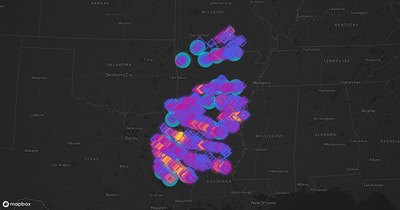
See exactly what you get.
Explore the full Springdale, AR Strike Map free – hail track, address overlay, and CSV download. No account required.
Try the Free Demo →