Omaha, NE Hail Storm – April 2026
April 3, 2026 hail storm near Omaha, NE. Radar-confirmed hail track and contractor lead lists available.
Max Hail
2.75"2.75" est.
confirmed
Zones
15
NWS alerts
Radar
556
dual-pol hits
Spotter
27
field reports
NWS WARNING AREA · Omaha Metro · Apr 3, 2026
Intelligence Platform
StormSnipe Pro
$49/ mo
Cancel anytime · No contracts
›All 50 states
›No zone limits
›No per-event fees
Subscribe to Pro
Pro renews monthly until canceled · Cancel anytime in the billing portal
What's included
Instant delivery
Every storm published within hours of NOAA confirmation.
Interactive Strike Map
Full radar-confirmed hail track on an interactive map.
Address CSV export
Every affected residential address, export-ready.
Smart alerts
Notified when a storm hits your area. Set zones once.
Nationwide coverage
All 50 states. No zone restrictions. No geographic caps.
Live pipeline
NOAA NEXRAD processed and delivered 24/7.
Address data notice
Pro coverage in California, Vermont, and Oregon includes the confirmed hail track and Strike Map only — no address lists. State data-privacy law treats compiled address lists differently in those three states, so we exclude their addresses from extraction and delivery.
NWS WARNING AREAS · 15
This storm generated 15 NWS alert zones. Pro access covers the complete storm track and all addresses across every zone.
ZONE 1NWS OAX
Omaha, NE
Dual-Pol Radar
2 addresses in warning area
Alert issued Fri, Apr 3 · 7:23 PM UTC
2.75"
confirmed
1"
est. (NWS)
ZONE 2NWS NEC127
Falls City, NE
Dual-Pol Radar
655 addresses in warning area
Alert issued Fri, Apr 3 · 7:23 PM UTC
2.75"
confirmed
2.75"
est. (NWS)
ZONE 3NWS EAX
Kansas City, MO
Dual-Pol Radar
2 addresses in warning area
Alert issued Fri, Apr 3 · 7:56 PM UTC
2.75"
confirmed
1"
est. (NWS)
ZONE 4NWS MOC005
Fairfax, MO
Dual-Pol Radar
100 addresses in warning area
Alert issued Fri, Apr 3 · 7:56 PM UTC
2.75"
confirmed
2.75"
est. (NWS)
ZONE 5NWS NEC127
Nemaha, NE
Dual-Pol Radar
250 addresses in warning area
Alert issued Fri, Apr 3 · 7:59 PM UTC
1.5"
confirmed
2.75"
est. (NWS)
ZONE 6NWS OAX
Omaha, NE
Dual-Pol Radar
Alert issued Fri, Apr 3 · 7:59 PM UTC
1.5"
confirmed
1"
est. (NWS)
ZONE 7NWS EAX
Kansas City, MO
Dual-Pol Radar
Alert issued Fri, Apr 3 · 8:42 PM UTC
2"
confirmed
1.5"
est. (NWS)
ZONE 8NWS MOC005
Burlington Junction, MO
Dual-Pol Radar
48 addresses in warning area
Alert issued Fri, Apr 3 · 8:42 PM UTC
2"
confirmed
2.75"
est. (NWS)
ZONE 9NWS EAX
Kansas City, MO
Dual-Pol Radar
Alert issued Fri, Apr 3 · 8:47 PM UTC
2"
confirmed
1.5"
est. (NWS)
ZONE 10NWS EAX
Kansas City, MO
Dual-Pol Radar
Alert issued Fri, Apr 3 · 9:12 PM UTC
1.75"
confirmed
1.5"
est. (NWS)
ZONE 11NWS MOC147
Burlington Junction, MO
Dual-Pol Radar
78 addresses in warning area
Alert issued Fri, Apr 3 · 9:12 PM UTC
1.75"
confirmed
2.25"
est. (NWS)
ZONE 12NWS OAX
Omaha, NE
NWS Warning
Alert issued Fri, Apr 3 · 9:26 PM UTC
1"
est. (NWS)
ZONE 13NWS IAC173
Bedford, IA
Dual-Pol Radar
2,000 addresses in warning area
Alert issued Fri, Apr 3 · 9:31 PM UTC
2.25"
confirmed
2.25"
est. (NWS)
ZONE 14NWS DMX
Des Moines, IA
Dual-Pol Radar
Alert issued Fri, Apr 3 · 9:31 PM UTC
2.25"
confirmed
1.5"
est. (NWS)
ZONE 15NWS KSC005
De Kalb, MO
Dual-Pol Radar
342 addresses in warning area
Alert issued Fri, Apr 3 · 11:19 PM UTC
1"
confirmed
1"
est. (NWS)
What Happened
A severe hail storm crossed the Omaha, NE metro on April 3, 2026, with spotter-verified reports and radar detections reaching 2.75 inches. The storm produced multiple hail alerts from mid-afternoon into early evening.
The first alert came at 2:23 PM CDT with 2.75-inch hail tied to radar and spotter verification. At the same time, a separate report called for 1-inch hail from spotter observation. Additional 2.75-inch alerts followed at 2:56 PM CDT, 2:59 PM CDT, and 3:42 PM CDT. A 3:02 PM CDT public report estimated hail up to quarter size, and a 3:35 PM CDT field report described golf ball sized hail, estimated from radar timing.
Later in the event, alerts shifted to 2.25-inch hail at 4:12 PM CDT and 4:31 PM CDT, with spotter reports of 1-inch and 1.5-inch hail at 4:26 PM CDT and 4:31 PM CDT. By 5:00 PM CDT, two additional reports relayed from media again pointed to golf ball sized hail, and two 5:02 PM CDT reports described the largest stones as ping pong ball sized. A final 6:19 PM CDT alert detected 1-inch hail using dual-polarization radar.
Damage Assessment
The field reports point to a long hail corridor with several rounds of impacts across the Omaha metro. The repeated golf ball and ping pong ball descriptions place the strongest surface impacts in the mid-afternoon to early evening window, with smaller quarter-size reports appearing before and after the peak hail core.
The reports did not read like a single isolated strike. They came in waves. That pattern suggests repeated hail bursts across the warning area rather than one short-lived burst. The 3:35 PM CDT golf ball report and the 5:00 PM CDT media-relayed golf ball reports stand out as the clearest ground truth. The 5:02 PM CDT ping pong ball reports show a second round of sizable hail later in the event.
Radar and spotter verification also line up closely with the field reports. The 2.75-inch alerts came early and repeated several times, then stepped down to 2.25 inches later in the afternoon. The 1-inch dual-polarization detection at 6:19 PM CDT matches the lighter end of the report set and shows hail still present into the evening.
For Omaha addresses inside the warning area, the mix of 1-inch to golf ball sized reports points to uneven hail exposure across the metro. Some locations likely saw only brief small hail. Others sat under larger stones several times during the event.
What Contractors Should Know
This event favored a broad Omaha metro response rather than a single neighborhood claim cluster. The report times stretch from 2:23 PM CDT to 6:19 PM CDT, and the hail sizes moved from quarter size to 2.75 inches. Roof and soft-metal inspections should start with the areas that sat under the stronger mid-afternoon hail bursts, then expand to later-afternoon paths where 2.25-inch and 1.5-inch reports were filed.
Storm Details
- Start Date
- Friday, April 3, 2026
- Last Activity
- Friday, April 3, 2026
- Location
- Omaha, NE
- Warning Areas
- 15
- Dual-Pol Radar
- 556
- Spotter Reports
- 27
Preview Strike Map
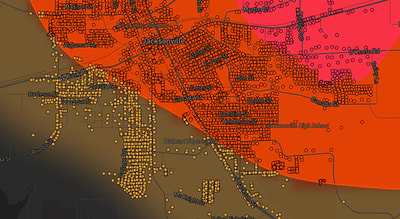
See exactly what you get.
Explore the full Springdale, AR Strike Map free – hail track, address overlay, and CSV download. No account required.
Try the Free Demo →