TAE Area, US Hail Storm – April 2026
April 3, 2026 hail storm near TAE Area, US. Radar-confirmed hail track and contractor lead lists available.
Max Hail
2.25"2.25" est.
confirmed
Zones
5
NWS alerts
Radar
36
dual-pol hits
Spotter
3
field reports
Dual-Pol Radar
Spotter Report
NWS Warning
NWS WARNING AREA · TAE Area Metro · Apr 3, 2026 · Click a zone to highlight
PURCHASE THIS STORM
Full storm data delivered to all buyers. No slot limit.
By purchasing, you agree to our Terms of Service and acknowledge the Data Accuracy Disclaimer. Address lists are derived from NOAA radar and federal databases; inclusion does not guarantee property damage.
Pro gets 1-hour priority access
From $49/mo · Auto-delivered leads
NWS WARNING AREAS · 5
This storm generated 5 NWS alert zones. One purchase covers the complete storm track and all addresses across every zone.
ZONE 1NWS GAC071
Moultrie, GA
Dual-Pol Radar
Alert issued Fri, Apr 3 · 7:43 PM UTC
2.25"
confirmed
2.25"
est. (NWS)
ZONE 2NWS TAE
TAE Area, US
Dual-Pol Radar
Alert issued Fri, Apr 3 · 7:43 PM UTC
2.25"
confirmed
1"
est. (NWS)
ZONE 3NWS ALC069
Cottonwood, AL
Dual-Pol Radar
1,398 addresses in warning area
Alert issued Fri, Apr 3 · 9:33 PM UTC
2"
confirmed
2"
est. (NWS)
ZONE 4NWS TAE
TAE Area, US
Dual-Pol Radar
Alert issued Fri, Apr 3 · 9:33 PM UTC
2"
confirmed
1"
est. (NWS)
ZONE 5NWS GAC091
Helena, GA
Dual-Pol Radar
Alert issued Fri, Apr 3 · 10:45 PM UTC
1"
confirmed
1"
est. (NWS)
What Happened
A severe hail storm moved across the TAE Area on April 3, 2026, producing 2.25-inch hail in the afternoon and early evening. Spotter reports placed quarter-size hail near Moultrie around 3 PM CDT, with additional hail reports later in the day near Madrid.
The first NWS alert came at 2:43 PM CDT with radar and spotter verification for 2.25-inch hail. A second alert at the same time carried a 1-inch hail report from a spotter. Two more alerts followed at 4:33 PM CDT and 5:45 PM CDT, both tied to 1-inch hail. The 5:45 PM CDT alert used dual-polarization radar detection.
Field reports added local detail. Around 3:00 PM CDT, observers reported quarter-size hail from the Moultrie area. Another report at 3:04 PM CDT placed pea to nickel size hail on the southeast side of Moultrie. A later report at 4:40 PM CDT described pea-size hail for about 15 minutes in the Madrid area.
The storm produced multiple hail cores over the same general corridor. The warning area covered more than one round of hail, with the strongest radar and spotter signals centered in the early afternoon and additional hail reports into early evening.
Damage Assessment
The field reports show a narrow hail footprint with repeated impacts around Moultrie and lighter hail farther east near Madrid. The quarter-size and pea to nickel size reports from Moultrie point to roof, siding, and vehicle exposure in the same pockets where the strongest hail was verified.
The Madrid report was smaller, but it lasted about 15 minutes. That kind of duration can leave visible bruising on soft crops, screens, and unprotected exterior finishes even when stones stay near pea size. The hail also came through after earlier reports near Moultrie, which places multiple rounds of surface impact across the broader warning area.
Radar detection aligned with the ground reports. The 2.25-inch hail alert at 2:43 PM CDT and the later 1-inch hail alerts show a storm with a strong hail core and additional embedded hail signatures later in the event. The spotter-verified reports in Moultrie and Madrid match that pattern.
Damage claims in this event will likely concentrate in the areas named in the reports rather than across the full warning area. The heaviest surface risk sits near Moultrie, where the largest hail was reported first and where pea to nickel size hail was also documented a few minutes later.
What Contractors Should Know
Start with Moultrie. The reports there include quarter-size hail at about 3:00 PM CDT and pea to nickel size hail at 3:04 PM CDT on the southeast side. That combination points to concentrated loss potential on roofs, gutters, soft metals, window screens, and parked vehicles in a tight corridor.
Madrid belongs in the canvass too, but the exposure is different. The 4:40 PM CDT report of pea-size hail for about 15 minutes suggests lighter but longer-duration impact. Check for shallow roof granule loss, cosmetic siding marks, and screen damage before moving on to more visible breakage.
Storm Details
- Start Date
- Friday, April 3, 2026
- Last Activity
- Friday, April 3, 2026
- Location
- TAE Area, US
- Warning Areas
- 5
- Dual-Pol Radar
- 36
- Spotter Reports
- 3
StormSnipe Pro
BEST VALUENever miss a storm in your market.
Auto-delivered leads with 1-hour priority access before shared buyers. Set it and close more jobs.
$49
/mo
1 Zone
POPULAR
$99
/mo
5 Zones
$199
/mo
Unlimited
- 1-hour priority access before public
- Auto-delivered every storm in your market
- Interactive Strike Map + hail track
Cancel anytime · No commitment
Try Before You Buy
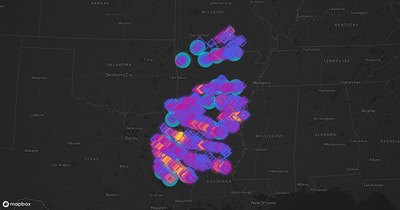
See exactly what you get.
Explore the full Springdale, AR Strike Map free – hail track, address overlay, and CSV download. No account required.
Try the Free Demo →