Wichita, KS Hail Storm – April 2026
April 3, 2026 hail storm near Wichita, KS. Radar-confirmed hail track and contractor lead lists available.
Max Hail
2.75"2.5" est.
confirmed
Zones
26
NWS alerts
Radar
2,120
dual-pol hits
Spotter
12
field reports
NWS WARNING AREA · Wichita Metro · Apr 3, 2026
Intelligence Platform
StormSnipe Pro
$49/ mo
Cancel anytime · No contracts
›All 50 states
›No zone limits
›No per-event fees
Subscribe to Pro
Pro renews monthly until canceled · Cancel anytime in the billing portal
What's included
Instant delivery
Every storm published within hours of NOAA confirmation.
Interactive Strike Map
Full radar-confirmed hail track on an interactive map.
Address CSV export
Every affected residential address, export-ready.
Smart alerts
Notified when a storm hits your area. Set zones once.
Nationwide coverage
All 50 states. No zone restrictions. No geographic caps.
Live pipeline
NOAA NEXRAD processed and delivered 24/7.
Address data notice
Pro coverage in California, Vermont, and Oregon includes the confirmed hail track and Strike Map only — no address lists. State data-privacy law treats compiled address lists differently in those three states, so we exclude their addresses from extraction and delivery.
NWS WARNING AREAS · 26
This storm generated 26 NWS alert zones. Pro access covers the complete storm track and all addresses across every zone.
ZONE 1NWS KSC015
El Dorado, KS
Dual-Pol Radar
22,915 addresses in warning area
Alert issued Fri, Apr 3 · 8:10 PM UTC
2.25"
confirmed
2.25"
est. (NWS)
ZONE 2NWS ICT
Wichita, KS
Dual-Pol Radar
2,588 addresses in warning area
Alert issued Fri, Apr 3 · 8:10 PM UTC
2.25"
confirmed
1"
est. (NWS)
ZONE 3NWS OUN
Oklahoma City, OK
Dual-Pol Radar
21 addresses in warning area
Alert issued Fri, Apr 3 · 8:23 PM UTC
2.75"
confirmed
2"
est. (NWS)
ZONE 4NWS OUN
Oklahoma City, OK
Dual-Pol Radar
Alert issued Fri, Apr 3 · 8:23 PM UTC
1.5"
confirmed
1"
est. (NWS)
ZONE 5NWS OKC053
Nardin, OK
Dual-Pol Radar
2,258 addresses in warning area
Alert issued Fri, Apr 3 · 8:23 PM UTC
1.5"
confirmed
2.25"
est. (NWS)
ZONE 6NWS OKC047
Garber, OK
Dual-Pol Radar
18,235 addresses in warning area
Alert issued Fri, Apr 3 · 8:31 PM UTC
2.25"
confirmed
2.25"
est. (NWS)
ZONE 7NWS OUN
Oklahoma City, OK
Dual-Pol Radar
Alert issued Fri, Apr 3 · 8:31 PM UTC
2.25"
confirmed
1"
est. (NWS)
ZONE 8NWS OUN
Oklahoma City, OK
Dual-Pol Radar
Alert issued Fri, Apr 3 · 8:46 PM UTC
1.75"
confirmed
1"
est. (NWS)
ZONE 9NWS OUN
Oklahoma City, OK
Dual-Pol Radar
Alert issued Fri, Apr 3 · 9:10 PM UTC
2"
confirmed
1.5"
est. (NWS)
ZONE 10NWS OUN
Oklahoma City, OK
Dual-Pol Radar
Alert issued Fri, Apr 3 · 9:14 PM UTC
2.25"
confirmed
1"
est. (NWS)
ZONE 11NWS OKC011
Kingfisher, OK
Dual-Pol Radar
3,163 addresses in warning area
Alert issued Fri, Apr 3 · 9:14 PM UTC
2.25"
confirmed
2.25"
est. (NWS)
ZONE 12NWS KSC015
Leon, KS
Dual-Pol Radar
8,414 addresses in warning area
Alert issued Fri, Apr 3 · 9:17 PM UTC
2.25"
confirmed
2.25"
est. (NWS)
ZONE 13NWS ICT
Wichita, KS
Dual-Pol Radar
Alert issued Fri, Apr 3 · 9:17 PM UTC
2.25"
confirmed
1"
est. (NWS)
ZONE 14NWS KSC035
Dexter, KS
Dual-Pol Radar
1,428 addresses in warning area
Alert issued Fri, Apr 3 · 9:44 PM UTC
2.25"
confirmed
2.25"
est. (NWS)
ZONE 15NWS ICT
Wichita, KS
Dual-Pol Radar
Alert issued Fri, Apr 3 · 9:44 PM UTC
2.25"
confirmed
1"
est. (NWS)
ZONE 16NWS OKC047
Marland, OK
Dual-Pol Radar
781 addresses in warning area
Alert issued Fri, Apr 3 · 10:00 PM UTC
2.25"
confirmed
2.25"
est. (NWS)
ZONE 17NWS OKC113
Ralston, OK
Dual-Pol Radar
303 addresses in warning area
Alert issued Fri, Apr 3 · 10:31 PM UTC
2"
confirmed
2"
est. (NWS)
ZONE 18NWS KSC019
Cedar Vale, KS
Dual-Pol Radar
1,747 addresses in warning area
Alert issued Fri, Apr 3 · 10:35 PM UTC
2.25"
confirmed
2.5"
est. (NWS)
ZONE 19NWS KSC049
Howard, KS
Dual-Pol Radar
700 addresses in warning area
Alert issued Fri, Apr 3 · 10:42 PM UTC
2"
confirmed
2.5"
est. (NWS)
ZONE 20NWS KSC019
Sedan, KS
Dual-Pol Radar
Alert issued Fri, Apr 3 · 11:09 PM UTC
2.5"
confirmed
2.5"
est. (NWS)
ZONE 21NWS OKC113
Fairfax, OK
Dual-Pol Radar
1,098 addresses in warning area
Alert issued Fri, Apr 3 · 11:13 PM UTC
2"
confirmed
2"
est. (NWS)
ZONE 22NWS KSC049
Fredonia, KS
Dual-Pol Radar
Alert issued Fri, Apr 3 · 11:22 PM UTC
1.25"
confirmed
2.5"
est. (NWS)
ZONE 23NWS KSC019
Independence, KS
Dual-Pol Radar
7,605 addresses in warning area
Alert issued Fri, Apr 3 · 11:56 PM UTC
2.5"
confirmed
2.5"
est. (NWS)
ZONE 24NWS KSC099
Independence, KS
Dual-Pol Radar
7,332 addresses in warning area
Alert issued Sat, Apr 4 · 12:42 AM UTC
1.75"
confirmed
1.75"
est. (NWS)
ZONE 25NWS OKC105
Nowata, OK
Dual-Pol Radar
4,728 addresses in warning area
Alert issued Sat, Apr 4 · 1:25 AM UTC
1.5"
confirmed
1.5"
est. (NWS)
ZONE 26NWS KSC021
Joplin, MO
Dual-Pol Radar
6,179 addresses in warning area
Alert issued Sat, Apr 4 · 4:17 AM UTC
2"
confirmed
2"
est. (NWS)
What Happened
Wichita, KS was hit by a multi-zone hail storm on 2026-04-03. The largest verified hail reached 2.5 inches, with the event unfolding from mid-afternoon into early evening across the metro.
The first alerts came at 3:10 PM CDT, when hail reports of 1 inch and 2.25 inches were issued at the same time. The 2.25-inch alert was supported by both radar and spotter verification. A second round followed at 3:23 PM CDT with another 2.25-inch dual-polarization radar detection.
Additional alerts were issued at 4:17 PM CDT, 4:44 PM CDT, and 5:00 PM CDT, again with 1-inch spotter reports and 2.25-inch radar detections. By 5:31 PM CDT, the hail signal had increased to 2 inches. At 5:35 PM CDT, radar detected 2.5-inch hail. Spotter-verified 2.5-inch reports followed at 5:42 PM CDT, 6:09 PM CDT, 6:22 PM CDT, and 6:56 PM CDT. The final alert at 7:42 PM CDT showed 1.75-inch hail with radar and spotter verification.
The event was concluded by the end of the evening.
Damage Assessment
Hail in the 1-inch to 2.25-inch range can strike roofs, siding, vents, window trim, and outdoor equipment. The 2.5-inch peak raises the likelihood of broken siding, punctured soft metal surfaces, cracked skylights, and impact damage to vehicles parked in exposed areas.
In Wichita, the spread from 1 inch to 2.5 inches points to uneven impact across the metro. Some properties saw smaller hail early in the storm. Others were hit later as the hail core intensified. Contractors should expect mixed loss patterns within the same warning area.
Roof inspections should focus on shingle bruising, granule loss, ridge cap damage, and impacts around penetrations. On metal roofs, check seams, fasteners, flashing, and gutters for denting and deformation. Around windows and exteriors, look for screen damage, chipped trim, and broken accessory parts near the hail path.
Vehicle damage may be scattered rather than uniform. Heavily exposed lots, apartment parking areas, and commercial fleets can show sharper patterns than sheltered driveways or garages.
What Contractors Should Know
Field teams should treat this as a broad metro event with multiple hail peaks. Do not rely on a single hail size when writing up exterior damage. The report history shows repeated 2.25-inch and 2.5-inch detections, with spotter support on several of the larger alerts. That mix often means one subdivision or corridor can look materially different from the next.
Start with roof surfaces, then move to edges, slopes, and exposed accessories. Photograph each face separately. Note soft-metal impacts, granule loss, cracked vents, lifted flashing, and dented gutters. On commercial work, check HVAC housings, curb caps, and skylight assemblies. On residential claims, pay close attention to north and west exposures where hail often leaves the clearest marks after a late-afternoon storm cycle.
Storm Details
- Start Date
- Friday, April 3, 2026
- Last Activity
- Friday, April 3, 2026
- Location
- Wichita, KS
- Warning Areas
- 26
- Dual-Pol Radar
- 2,120
- Spotter Reports
- 12
Preview Strike Map
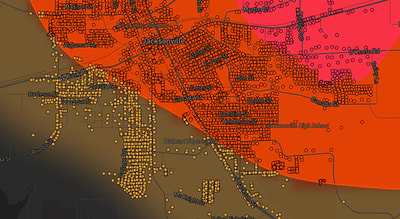
See exactly what you get.
Explore the full Springdale, AR Strike Map free – hail track, address overlay, and CSV download. No account required.
Try the Free Demo →