Burlington, WI Hail Storm – April 2026
April 4, 2026 hail storm near Burlington, WI. Radar-confirmed hail track and contractor lead lists available.
Max Hail
1"1" est.
confirmed
Zones
1
NWS alerts
Radar
–
dual-pol hits
Spotter
2
field reports
Dual-Pol Radar
Spotter Report
NWS Warning
NWS WARNING AREA · Burlington Metro · Apr 4, 2026
PURCHASE THIS STORM
Full storm data delivered to all buyers. No slot limit.
By purchasing, you agree to our Terms of Service and acknowledge the Data Accuracy Disclaimer. Address lists are derived from NOAA radar and federal databases; inclusion does not guarantee property damage.
Pro gets 1-hour priority access
From $49/mo · Auto-delivered leads
NWS WARNING AREA
NWS WIC101
Burlington, WI
Spotter Reported
43 addresses in warning area
Alert issued Sat, Apr 4 · 1:58 AM UTC
1"
confirmed
1"
est. (NWS)
Burlington, WI saw a concluded hail event on April 4, 2026, with a maximum hail size of 1 inch. The storm passed through the city during the evening and produced a single NWS alert area for the event.
What Happened
The storm reached Burlington on April 4, 2026, with the alert issued at 8:58 PM CDT. Dual-polarization radar indicated 1-inch hail along the storm path, and the warning area covered the city during the late evening period.
This was a single-zone event. No separate hail reports expanded the footprint beyond the one alert area tied to the Burlington storm track. The radar signal supported a hail threat near the 1-inch threshold, which is the peak size mapped for this event.
The timing matters for field work. The storm came through after daylight hours, when roof, siding, and vehicle damage may not have been visible until the next morning. Any inspection should focus on exposed surfaces, soft metal trim, and vehicle inventory in outdoor storage areas.
Damage Assessment
One-inch hail can leave scattered impact marks on vehicles, gutters, fascia, window screens, and roofing accessories. On asphalt shingle roofs, the most common signs are bruising, granule loss, and hits along ridges, valleys, and roof edges. Metal surfaces may show denting on vents, downspouts, and flashing.
In Burlington, the hail size was at the level where contractors should expect mixed conditions across a property. Some structures will show only light cosmetic marks. Others may show more concentrated impacts on weak points such as aging shingles, thin gauge trim, skylights, and horizontal surfaces that face the storm path.
Crews should document roof slope, material type, and impact patterns by elevation. Vehicle lots, apartment complexes, schools, and light commercial buildings often show the clearest evidence after this size hail event. Photos should include close shots of bruising and wider context shots that place each mark on the correct slope or façade.
What Contractors Should Know
Dispatch crews for a roof and exterior walk-through after daylight. Start with the windward elevations, then check gutters, downspouts, window screens, chimney caps, soft metals, and HVAC covers. On roofing, focus on north-facing or storm-facing slopes if the path crossed one side of the city more directly. Pay attention to ridge caps and edge courses, where hail impacts can be easier to spot.
For estimating, treat 1-inch hail as a threshold that warrants a disciplined inspection, not a broad assumption of loss. Verify whether the property has impacts limited to accessories and surface marks, or whether the roof shows functional damage tied to bruising and granule displacement. Keep separate notes for cosmetic and material damage. That helps when multiple buildings are in the same canvass zone.
Storm Details
- Start Date
- Saturday, April 4, 2026
- Last Activity
- Saturday, April 4, 2026
- Location
- Burlington, WI
- Warning Areas
- 1
- Dual-Pol Radar
- --
- Spotter Reports
- 2
StormSnipe Pro
BEST VALUENever miss a storm in your market.
Auto-delivered leads with 1-hour priority access before shared buyers. Set it and close more jobs.
$49
/mo
1 Zone
POPULAR
$99
/mo
5 Zones
$199
/mo
Unlimited
- 1-hour priority access before public
- Auto-delivered every storm in your market
- Interactive Strike Map + hail track
Cancel anytime · No commitment
Try Before You Buy
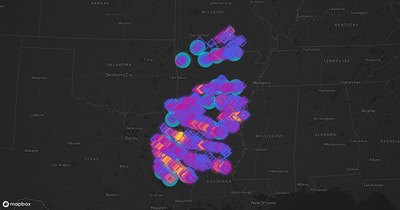
See exactly what you get.
Explore the full Springdale, AR Strike Map free – hail track, address overlay, and CSV download. No account required.
Try the Free Demo →