Meridian, CA Hail Storm – April 2026
April 9, 2026 hail storm near Meridian, CA. Radar-confirmed hail track and contractor lead lists available.
Max Hail
1.25"1.25" est.
confirmed
Zones
6
NWS alerts
Radar
18
dual-pol hits
Spotter
–
field reports
Dual-Pol Radar
Spotter Report
NWS Warning
NWS WARNING AREA · Meridian Metro · Apr 9, 2026 · Click a zone to highlight
PURCHASE THIS STORM
Full storm data delivered to all buyers. No slot limit.
By purchasing, you agree to our Terms of Service and acknowledge the Data Accuracy Disclaimer. Address lists are derived from NOAA radar and federal databases; inclusion does not guarantee property damage.
Pro gets 1-hour priority access
From $49/mo · Auto-delivered leads
NWS WARNING AREAS · 6
This storm generated 6 NWS alert zones. One purchase covers the complete storm track and all addresses across every zone.
ZONE 1NWS CAC011
Meridian, CA
Dual-Pol Radar
Alert issued Thu, Apr 9 · 12:37 AM UTC
1"
confirmed
1"
est. (NWS)
ZONE 2NWS CAC007
Meridian, CA
Dual-Pol Radar
Alert issued Thu, Apr 9 · 1:23 AM UTC
1"
confirmed
1"
est. (NWS)
ZONE 3NWS CAC007
Glenn, CA
Dual-Pol Radar
Alert issued Thu, Apr 9 · 2:22 AM UTC
1.25"
confirmed
1.25"
est. (NWS)
ZONE 4NWS CAC089
Ono, CA
Dual-Pol Radar
11 addresses in warning area
Alert issued Thu, Apr 9 · 10:36 PM UTC
1"
confirmed
1"
est. (NWS)
ZONE 5NWS CAC103
Red Bluff, CA
Dual-Pol Radar
Alert issued Thu, Apr 9 · 10:46 PM UTC
1"
confirmed
1"
est. (NWS)
ZONE 6NWS CAC103
Red Bluff, CA
Dual-Pol Radar
Alert issued Thu, Apr 9 · 11:09 PM UTC
1"
confirmed
1"
est. (NWS)
What Happened
Meridian, CA saw a hail-producing storm on 2026-04-09 that ended with a maximum confirmed hail size of 1.25 inches. The event unfolded across the afternoon and early evening in the Red Bluff metro area.
The first NWS hail alert in the sequence came at 3:36 PM PDT with 1-inch hail in the warning area. Additional alerts followed at 3:46 PM PDT and 4:09 PM PDT, both also tied to 1-inch hail and dual-polarization radar detection. Later in the evening, the storm produced another 1-inch hail alert at 5:37 PM PDT, then again at 6:23 PM PDT. The strongest radar-derived hail signal came at 7:22 PM PDT, when the hail estimate reached 1.25 inches.
That sequence shows a repeated hail threat through multiple hours rather than a single short pulse. The alerts covered a broad warning area over the Meridian section of the Red Bluff, CA metro.
Damage Assessment
Hail in the 1-inch to 1.25-inch range can affect roofs, siding, gutters, skylights, and exposed vehicle surfaces. The threat is highest on soft metals, asphalt shingles, vents, and older roof systems with pre-existing wear.
In field terms, 1-inch hail often marks a threshold where superficial impacts start to give way to more visible property damage. At 1.25 inches, the hailstones are large enough to leave dents on metal trim and gutters and to fracture weaker exterior components. Crews should expect damage to vary by roof age, slope, and the length of time each property sat under the warning area.
The repeated alerts across the afternoon and evening also point to more than one hail core moving through the same metro footprint. That can leave uneven impact patterns across nearby neighborhoods. One street may show only small cosmetic marks. Another may carry concentrated roof and vehicle damage.
What Contractors Should Know
Start with the most exposed building stock. Check south- and west-facing slopes, flat transitions, ridge caps, valley lines, and any roof edges with existing granule loss. Inspect gutters, downspouts, fascia, vents, condenser fins, and soft metal flashings. Vehicle lots and light commercial roofs near Meridian should also stay in the canvass zone when hail reaches the 1-inch range.
Use the timing to narrow inspections. Early afternoon alerts at 3:36 PM PDT, 3:46 PM PDT, and 4:09 PM PDT may indicate one impact corridor. The later sequence at 5:37 PM PDT, 6:23 PM PDT, and 7:22 PM PDT points to additional hail periods. Field crews should separate claims by time and address cluster so overlapping reports do not get merged into one loss area.
For contractors working Meridian and the Red Bluff metro, prioritize walkable neighborhoods with roof materials known to show hail marks clearly. Document strike evidence on soft metals, vent caps, gutters, and shingles before cosmetic wear is mistaken for older storm damage. Match each inspection to the local storm report timeline and keep notes on the first visible hail date, not just the latest one.
Storm Details
- Start Date
- Thursday, April 9, 2026
- Last Activity
- Thursday, April 9, 2026
- Location
- Meridian, CA
- Warning Areas
- 6
- Dual-Pol Radar
- 18
- Spotter Reports
- --
StormSnipe Pro
BEST VALUENever miss a storm in your market.
Auto-delivered leads with 1-hour priority access before shared buyers. Set it and close more jobs.
$49
/mo
1 Zone
POPULAR
$99
/mo
5 Zones
$199
/mo
Unlimited
- 1-hour priority access before public
- Auto-delivered every storm in your market
- Interactive Strike Map + hail track
Cancel anytime · No commitment
Try Before You Buy
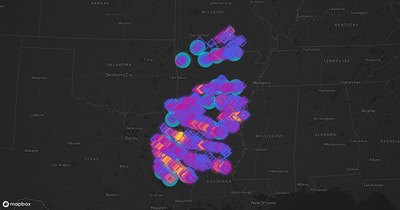
See exactly what you get.
Explore the full Springdale, AR Strike Map free – hail track, address overlay, and CSV download. No account required.
Try the Free Demo →