Richvale, CA Hail Storm – April 2026
April 9, 2026 hail storm near Richvale, CA. Radar-confirmed hail track and contractor lead lists available.
Max Hail
1"1" est.
confirmed
Zones
2
NWS alerts
Radar
45
dual-pol hits
Spotter
–
field reports
Dual-Pol Radar
Spotter Report
NWS Warning
NWS WARNING AREA · Richvale Metro · Apr 9, 2026 · Click a zone to highlight
PURCHASE THIS STORM
Full storm data delivered to all buyers. No slot limit.
By purchasing, you agree to our Terms of Service and acknowledge the Data Accuracy Disclaimer. Address lists are derived from NOAA radar and federal databases; inclusion does not guarantee property damage.
Pro gets 1-hour priority access
From $49/mo · Auto-delivered leads
NWS WARNING AREAS · 2
This storm generated 2 NWS alert zones. One purchase covers the complete storm track and all addresses across every zone.
ZONE 1NWS CAC007
Richvale, CA
Dual-Pol Radar
Alert issued Thu, Apr 9 · 2:32 AM UTC
1"
confirmed
1"
est. (NWS)
ZONE 2NWS CAC007
Chico, CA
Dual-Pol Radar
Alert issued Thu, Apr 9 · 2:39 AM UTC
1"
confirmed
1"
est. (NWS)
What Happened
Richvale, CA saw a concluded hail storm on April 9, 2026, with peak hail reaching 1 inch. The event was tracked in the Chico metro area during the evening.
Two NWS alerts covered this storm. The first came at 7:32 PM PDT, followed by a second at 7:39 PM PDT. Both alerts carried 1-inch hail language and were supported by dual-polarization radar detection.
The timing points to a short-lived but organized hail core moving through the warning area in the early evening. The repeated 1-inch signals within seven minutes kept the hail threat focused on the same general corridor.
Damage Assessment
One-inch hail can break weaker roof materials, dent soft metals, and leave impact marks on vehicle panels and trim. The most common field findings after a storm at this size are bruised shingles, chipped exposed paint, cracked skylights, and pitting on gutters or vent caps.
In Richvale, the hail size places this event above nuisance level. Inspections should focus on roof slopes facing the storm approach, flat roofs with exposed membrane, and any site with older composition shingles, lightweight panels, or unprotected vehicles. Even where visible damage is limited, collateral issues often show up in seams, flashing, and edge metal.
Contractors should treat this as a spot-check storm rather than a broad total-loss event. The key work is to separate cosmetic marks from functional roof damage and to document only the hail-related impacts tied to the storm path.
What Contractors Should Know
Start with the structures closest to the hail path through Richvale and the Chico metro area. Prioritize roofs with aging asphalt, translucent panels, painted metal, and exposed HVAC equipment. Small hail can still leave serviceable but reportable damage on soft metals and rooftop accessories. Look for granule loss, denting on ridge caps, and impact marks on drip edge, box vents, and gutters.
Use the evening timing to narrow canvass windows and cross-check calls against both alert times. A 7:32 PM PDT alert followed by a 7:39 PM PDT update suggests a tight sequence. That helps separate this event from later rainfall or unrelated roof complaints. Document dates, addresses, surface type, and the specific side of the structure facing the storm approach. Photos should show scale, direction of impact, and matching damage across multiple components.
For vehicle and exterior claims, inspect hood lines, mirror housings, window trim, and any horizontal surface with direct exposure. One-inch hail can leave scattered dents that are easy to miss from ground level. Property owners often report damage first on skylights, greenhouse panels, patio covers, and decorative metal finishes. Those elements should be checked early because they often show the clearest evidence.
Field teams should keep the report tight and location-specific. Note whether the hail affected one parcel, a cluster of nearby addresses, or a wider strip through the warning area. Match each observation to the storm date and local time. Avoid mixing this event with older April hail reports in Butte County.
Storm Details
- Start Date
- Thursday, April 9, 2026
- Last Activity
- Thursday, April 9, 2026
- Location
- Richvale, CA
- Warning Areas
- 2
- Dual-Pol Radar
- 45
- Spotter Reports
- --
StormSnipe Pro
BEST VALUENever miss a storm in your market.
Auto-delivered leads with 1-hour priority access before shared buyers. Set it and close more jobs.
$49
/mo
1 Zone
POPULAR
$99
/mo
5 Zones
$199
/mo
Unlimited
- 1-hour priority access before public
- Auto-delivered every storm in your market
- Interactive Strike Map + hail track
Cancel anytime · No commitment
Try Before You Buy
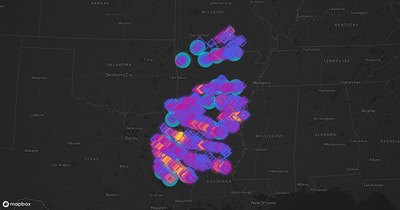
See exactly what you get.
Explore the full Springdale, AR Strike Map free – hail track, address overlay, and CSV download. No account required.
Try the Free Demo →