Linn, KS Hail Storm – April 2026
April 9, 2026 hail storm near Linn, KS. Radar-confirmed hail track and contractor lead lists available.
Max Hail
1.25"1.25" est.
confirmed
Zones
1
NWS alerts
Radar
2,242
dual-pol hits
Spotter
–
field reports
Dual-Pol Radar
Spotter Report
NWS Warning
NWS WARNING AREA · Linn Metro · Apr 9, 2026
PURCHASE THIS STORM
Full storm data delivered to all buyers. No slot limit.
By purchasing, you agree to our Terms of Service and acknowledge the Data Accuracy Disclaimer. Address lists are derived from NOAA radar and federal databases; inclusion does not guarantee property damage.
Pro gets 1-hour priority access
From $49/mo · Auto-delivered leads
NWS WARNING AREA
NWS KSC201
Linn, KS
Dual-Pol Radar
1,706 addresses in warning area
Alert issued Thu, Apr 9 · 2:32 PM UTC
1.25"
confirmed
1.25"
est. (NWS)
What Happened
Linn, KS saw a severe hail event on April 9, 2026, with peak hail reaching 1.25 inches in the morning hours. The storm was concluded.
A severe thunderstorm alert was issued at 9:32 AM CDT. The alert called for 1.25-inch hail and was backed by dual-polarization radar from NEXRAD hail detection. The event was mapped as a single-zone storm report in the Linn metro area.
The alert window centered on late morning across the warning area. Radar data supported the hail threat before the storm moved out of the area and the event closed.
Damage Assessment
Hail at 1.25 inches can produce denting on vehicles, cracked window screens, and impact marks on softer roof materials. It can also leave visible bruising on siding, trim, vents, and outdoor equipment.
Field crews should expect damage to vary sharply across short distances. A single hail swath can produce roof claims on one block and only cosmetic impact on the next. In Linn, the strongest hail signal was tied to the radar-detected track during the morning alert.
Crews working this event should document impact points with roof slope, exposure, and material type. Metal surfaces can show denting quickly. Asphalt shingles may show bruising or granular loss that is less obvious from the ground. Soft metals, painted trim, skylight frames, and condensers deserve close inspection.
Watch for secondary losses tied to water intrusion after the storm. Even a brief hail burst can loosen sealant, damage flashings, or open small entry points around vents and edges. In single-zone events, the most useful early evidence often comes from the first set of exterior photos and a direct review of the roof field notes.
What Contractors Should Know
Start with the highest-impact surfaces. Roof planes, gutters, downspouts, windows, siding, garage doors, and HVAC units should be checked first. Record pitch, slope direction, and the exact side of the structure that faced the storm path. That detail helps separate hail impact from unrelated wear.
Use close-range inspection methods where the damage pattern is subtle. Asphalt roofs may need granular loss checks, soft metal checks, and slope-by-slope comparisons. On metal roofing, even shallow dents can reveal the hail footprint. On vehicle fleets, mirror housings, hoods, and roof panels often show the first visible impacts.
Keep documentation tied to the local storm timeline. The 9:32 AM CDT alert is the anchor point for this event. If you are canvassing in Linn, focus on properties within the morning hail path and compare damage reports against the storm’s mapped track.
For lead routing and field planning, use the Strike Map for precise hail track data.
Storm Details
- Start Date
- Thursday, April 9, 2026
- Last Activity
- Thursday, April 9, 2026
- Location
- Linn, KS
- Warning Areas
- 1
- Dual-Pol Radar
- 2,242
- Spotter Reports
- --
StormSnipe Pro
BEST VALUENever miss a storm in your market.
Auto-delivered leads with 1-hour priority access before shared buyers. Set it and close more jobs.
$49
/mo
1 Zone
POPULAR
$99
/mo
5 Zones
$199
/mo
Unlimited
- 1-hour priority access before public
- Auto-delivered every storm in your market
- Interactive Strike Map + hail track
Cancel anytime · No commitment
Try Before You Buy
See exactly what you get.
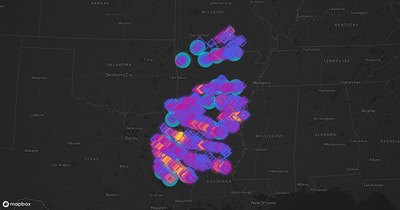
Explore the full Springdale, AR Strike Map free – hail track, address overlay, and CSV download. No account required.
Try the Free Demo →