Umpqua, OR Hail Storm – April 2026
April 9, 2026 hail storm near Umpqua, OR. Radar-confirmed hail track and contractor lead lists available.
Max Hail
1.75"1.75" est.
confirmed
Zones
2
NWS alerts
Radar
5
dual-pol hits
Spotter
–
field reports
Dual-Pol Radar
Spotter Report
NWS Warning
NWS WARNING AREA · Umpqua Metro · Apr 9, 2026 · Click a zone to highlight
PURCHASE THIS STORM
Full storm data delivered to all buyers. No slot limit.
By purchasing, you agree to our Terms of Service and acknowledge the Data Accuracy Disclaimer. Address lists are derived from NOAA radar and federal databases; inclusion does not guarantee property damage.
Pro gets 1-hour priority access
From $49/mo · Auto-delivered leads
NWS WARNING AREAS · 2
This storm generated 2 NWS alert zones. One purchase covers the complete storm track and all addresses across every zone.
ZONE 1NWS ORC011
Umpqua, OR
Dual-Pol Radar
Alert issued Thu, Apr 9 · 10:16 PM UTC
1.75"
confirmed
1.75"
est. (NWS)
ZONE 2NWS ORC011
Reedsport, OR
Dual-Pol Radar
Alert issued Thu, Apr 9 · 10:40 PM UTC
1.25"
confirmed
1.25"
est. (NWS)
What Happened
Umpqua, OR saw a concluded hail storm on 2026-04-09 with a peak hail size of 1.75 inches. The event unfolded in the afternoon over the Reedsport metro area.
The first alert came at 3:16 PM PDT and carried a 1.75-inch hail estimate from dual-polarization radar. A second alert followed at 3:40 PM PDT with a 1.25-inch hail estimate from the same radar source. Both alerts were part of the same multi-zone storm report.
The sequence shows a hail core that held damaging size for at least 24 minutes. The larger alert came first, followed by a slightly smaller hail estimate as the storm moved through the area. Radar-based hail detection supported both alerts.
Damage Assessment
Hail near 1.75 inches can break or crack some roof surfaces, dent soft metals, and damage siding, vents, and exterior trim. It can also leave visible impact marks on vehicles and outdoor equipment. Hail near 1.25 inches can still produce scattered property damage, especially on older roofs, thinner metal components, and exposed mechanical units.
For contractors, the key field question is not whether the storm produced hail. It did. The question is how far the larger stones extended and which properties saw the heaviest concentration. In a multi-zone event like this one, damage can vary quickly across short distances. A roof two blocks away may show a different impact pattern than a roof at the center of the hail path.
Inspect for bruised shingles, granule loss, torn mat lines, cracked flashing, dented ridge vents, and strike patterns on metal roofing. Check gutters, downspouts, window screens, HVAC fins, and patio coverings. On vehicles, look for concentrated dents on horizontal surfaces and exposed edges. On commercial sites, pay close attention to membrane roofs, condensers, skylights, and soft metal cladding.
Document the date, local time, and hail size range on every estimate. Tie each inspection to the storm window between 3:16 PM PDT and 3:40 PM PDT. That keeps the field file aligned with the storm timing and the alert sequence. In rural and coastal markets near Umpqua, roof damage may be intermittent rather than uniform. Walk the full property before narrowing the scope.
What Contractors Should Know
The 1.75-inch peak puts this event into a size range that often justifies full exterior review, not a quick curbside glance. Start with the roof slope most exposed to the storm path, then work the remaining elevations in the same direction of travel. Use close-up photos of impact points, mat exposure, and metal dents. Keep wide shots for orientation and address verification.
Do not rely on a single roof plane to represent the whole property. Multi-zone hail reports often show uneven impact across the warning area. Inspect adjacent buildings, detached garages, and accessory structures with the same standard. If the property sits near the edge of the hail swath, note the location and any visible reduction in damage intensity.
Storm Details
- Start Date
- Thursday, April 9, 2026
- Last Activity
- Thursday, April 9, 2026
- Location
- Umpqua, OR
- Warning Areas
- 2
- Dual-Pol Radar
- 5
- Spotter Reports
- --
StormSnipe Pro
BEST VALUENever miss a storm in your market.
Auto-delivered leads with 1-hour priority access before shared buyers. Set it and close more jobs.
$49
/mo
1 Zone
POPULAR
$99
/mo
5 Zones
$199
/mo
Unlimited
- 1-hour priority access before public
- Auto-delivered every storm in your market
- Interactive Strike Map + hail track
Cancel anytime · No commitment
Try Before You Buy
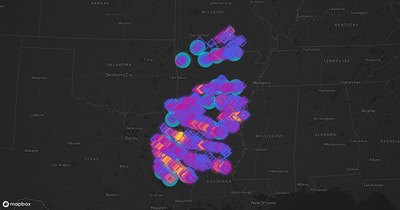
See exactly what you get.
Explore the full Springdale, AR Strike Map free – hail track, address overlay, and CSV download. No account required.
Try the Free Demo →