Valle de Oro, TX Hail Storm – April 2026
April 9, 2026 hail storm near Valle de Oro, TX. Radar-confirmed hail track and contractor lead lists available.
Max Hail
0.75"1" est.
confirmed
Zones
2
NWS alerts
Radar
6
dual-pol hits
Spotter
–
field reports
Dual-Pol Radar
Spotter Report
NWS Warning
NWS WARNING AREA · Valle de Oro Metro · Apr 9, 2026 · Click a zone to highlight
PURCHASE THIS STORM
Full storm data delivered to all buyers. No slot limit.
By purchasing, you agree to our Terms of Service and acknowledge the Data Accuracy Disclaimer. Address lists are derived from NOAA radar and federal databases; inclusion does not guarantee property damage.
Pro gets 1-hour priority access
From $49/mo · Auto-delivered leads
NWS WARNING AREAS · 2
This storm generated 2 NWS alert zones. One purchase covers the complete storm track and all addresses across every zone.
ZONE 1NWS TXC359
Valle de Oro, TX
Dual-Pol Radar
6 addresses in warning area
Alert issued Thu, Apr 9 · 10:40 PM UTC
0.75"
confirmed
1"
est. (NWS)
ZONE 2NWS TXC341
Masterson, TX
Dual-Pol Radar
25 addresses in warning area
Alert issued Thu, Apr 9 · 10:57 PM UTC
0.75"
confirmed
1"
est. (NWS)
What Happened
Valle de Oro, TX saw a concluded hail storm on 2026-04-09 with peak hail at 1 inch. Two NWS hail alerts covered the event, first at 5:40 PM CDT and again at 5:57 PM CDT.
The storm moved through the Masterson, TX metro warning area during the early evening. Both alerts carried dual-polarization radar hail detection for 1-inch hail. The sequence points to a short-lived hail-producing storm with repeated radar signatures across the same general path.
Damage Assessment
Hail at 1 inch is enough to dent softer metals, mark vehicle finishes, and bruise exposed roofing surfaces. On residential roofs, the most likely field findings are impact marks on shingles, loss of granules, and scattered collateral damage on vents, flashing, and skylight trim.
For commercial property, the same hail size can leave visible hits on membranes, HVAC fins, gutters, downspouts, and parapet details. If the building had aged roofing, prior repairs, or exposed accessories, those areas merit closer inspection. Siding, fence caps, and exterior trim can also show impact points where the storm crossed the warning area.
The reported hail stayed at one inch, so the damage pattern is usually selective rather than uniform. Crews should expect mixed conditions by property age, roof pitch, and exposure. Cars parked in open lots may show a clearer hit pattern than buildings shielded by trees or adjacent structures.
What Contractors Should Know
Field work should focus on the two alert times and the storm path between them. The first pass should start in the western and central portions of the affected area, then extend east or southeast as the later alert time is added. Short-duration hail events can leave narrow bands of damage with clean edges at the ends of the storm track.
Use roof slopes, soft metals, and impact-sensitive accessories as the first inspection targets. On claims tied to this event, check for fresh bruising on shingles, loss of protective granules, and dents on condensers, gutters, window wraps, and ridge caps. In the field, note property-to-property differences. One structure may show clear impact marks while the next parcel remains clean.
For contractors, the practical work is to match visible impact signs to the storm window and location history. Start with roofs that have direct exposure and little tree cover. Then move to vehicles, patio covers, and exterior trim. If the home is older or already weathered, separate pre-existing wear from fresh hail marks before you write an estimate.
The warning area covers the general storm path, but the Strike Map shows the precise hail track for this event.
Storm Details
- Start Date
- Thursday, April 9, 2026
- Last Activity
- Thursday, April 9, 2026
- Location
- Valle de Oro, TX
- Warning Areas
- 2
- Dual-Pol Radar
- 6
- Spotter Reports
- --
StormSnipe Pro
BEST VALUENever miss a storm in your market.
Auto-delivered leads with 1-hour priority access before shared buyers. Set it and close more jobs.
$49
/mo
1 Zone
POPULAR
$99
/mo
5 Zones
$199
/mo
Unlimited
- 1-hour priority access before public
- Auto-delivered every storm in your market
- Interactive Strike Map + hail track
Cancel anytime · No commitment
Try Before You Buy
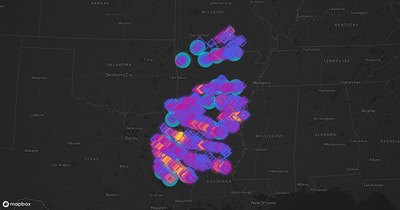
See exactly what you get.
Explore the full Springdale, AR Strike Map free – hail track, address overlay, and CSV download. No account required.
Try the Free Demo →