Claflin, KS Hail Storm – April 2026
April 9, 2026 hail storm near Claflin, KS. Radar-confirmed hail track and contractor lead lists available.
Max Hail
1.75"1" est.
confirmed
Zones
1
NWS alerts
Radar
236
dual-pol hits
Spotter
1
field reports
Dual-Pol Radar
Spotter Report
NWS Warning
NWS WARNING AREA · Claflin Metro · Apr 9, 2026
PURCHASE THIS STORM
Full storm data delivered to all buyers. No slot limit.
By purchasing, you agree to our Terms of Service and acknowledge the Data Accuracy Disclaimer. Address lists are derived from NOAA radar and federal databases; inclusion does not guarantee property damage.
Pro gets 1-hour priority access
From $49/mo · Auto-delivered leads
NWS WARNING AREA
NWS KSC009
Claflin, KS
Dual-Pol Radar
1,966 addresses in warning area
Alert issued Thu, Apr 9 · 11:06 PM UTC
1.75"
confirmed
1"
est. (NWS)
What Happened
A severe storm moved through Claflin, KS on April 9, 2026, producing 1-inch hail in the evening. The event included a spotter-reported hail alert at 6:06 PM CDT, followed by a spotter-verified report at 6:21 PM CDT that described dime and nickel sized hail alongside the larger stones.
The storm remained focused on the Claflin area and did not broaden into a larger hail episode. The first NWS alert in the warning area called for 1-inch hail and carried spotter-reported confidence. Fifteen minutes later, field reports from the same storm path added ground truth from the town itself. The timing places the hail near early evening as the storm crossed the area.
That sequence shows a short-lived hail core with direct field confirmation. The report at 6:21 PM CDT is the key ground-truth point for Claflin, since it tied the hail to a specific location and time rather than just the broader warning area.
Damage Assessment
The field reports point to a narrow hail swath through Claflin rather than scattered hail across a wide region. Dime and nickel sized hail were reported with the 1-inch stones, which fits a brief but concentrated burst of hail at the surface.
No widespread damage reports were included with the event data. The available evidence supports hail impact at the street level, but not a broader wind or debris picture. For a single-zone event like this, the main value is the location-specific hail trace through the town and the timing of the spotter-verified report.
For contractors, that means the first pass should focus on the properties inside the storm path through Claflin itself. Check roof slopes, gutters, downspouts, soft metal trim, and any vehicles or outbuildings that were exposed during the early evening window. On 1-inch hail events, light impact marks can show up unevenly block to block, so visual inspection matters more than assumptions based on the warning area alone.
Inspect north- and west-facing roof planes first if the storm approach placed the hail core across those sides of town. Then move to window screens, siding, and fascia. Hail of this size can leave subtle bruising or chipped edges that are easy to miss from the ground. Crews should document each elevation separately and note whether damage lines up with the reported hail timing around 6:21 PM CDT.
What Contractors Should Know
Claflin sits in a small target area for this event, so route planning should stay tight around the town center and the immediate path covered by the storm. Do not widen the canvass based on the warning polygon alone. Use the report time and the verified hail observation to narrow inspections to structures that were actually under the hail core.
This kind of event often produces uneven claims across a short distance. One block may show only minor impact, while another shows clear roof granule loss or denting on exposed metal. Crews working this area should separate hail findings from wind-related wear and from older service issues. A clean file will need photos, elevations, and timestamps that match the evening storm window.
Storm Details
- Start Date
- Thursday, April 9, 2026
- Last Activity
- Thursday, April 9, 2026
- Location
- Claflin, KS
- Warning Areas
- 1
- Dual-Pol Radar
- 236
- Spotter Reports
- 1
StormSnipe Pro
BEST VALUENever miss a storm in your market.
Auto-delivered leads with 1-hour priority access before shared buyers. Set it and close more jobs.
$49
/mo
1 Zone
POPULAR
$99
/mo
5 Zones
$199
/mo
Unlimited
- 1-hour priority access before public
- Auto-delivered every storm in your market
- Interactive Strike Map + hail track
Cancel anytime · No commitment
Try Before You Buy
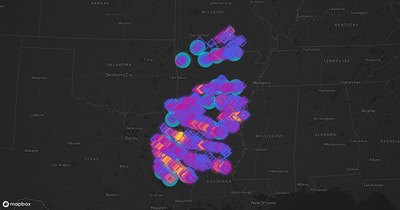
See exactly what you get.
Explore the full Springdale, AR Strike Map free – hail track, address overlay, and CSV download. No account required.
Try the Free Demo →