Camptonville, CA Hail Storm – April 2026
April 10, 2026 hail storm near Camptonville, CA. Radar-confirmed hail track and contractor lead lists available.
Max Hail
2.5"2.5" est.
confirmed
Zones
4
NWS alerts
Radar
2,235
dual-pol hits
Spotter
–
field reports
Dual-Pol Radar
Spotter Report
NWS Warning
NWS WARNING AREA · Camptonville Metro · Apr 10, 2026 · Click a zone to highlight
PURCHASE THIS STORM
Full storm data delivered to all buyers. No slot limit.
By purchasing, you agree to our Terms of Service and acknowledge the Data Accuracy Disclaimer. Address lists are derived from NOAA radar and federal databases; inclusion does not guarantee property damage.
Pro gets 1-hour priority access
From $49/mo · Auto-delivered leads
NWS WARNING AREAS · 4
This storm generated 4 NWS alert zones. One purchase covers the complete storm track and all addresses across every zone.
ZONE 1NWS CAC007
Camptonville, CA
Dual-Pol Radar
Alert issued Fri, Apr 10 · 2:50 PM UTC
0.79"
confirmed
1"
est. (NWS)
ZONE 2NWS NVC001
Wadsworth, NV
Dual-Pol Radar
Alert issued Fri, Apr 10 · 8:00 PM UTC
0.75"
confirmed
1"
est. (NWS)
ZONE 3NWS NVC001
Fernley, NV
Dual-Pol Radar
Alert issued Fri, Apr 10 · 8:23 PM UTC
2.5"
confirmed
2.5"
est. (NWS)
ZONE 4NWS NVC001
Fallon, NV
Dual-Pol Radar
Alert issued Fri, Apr 10 · 10:09 PM UTC
1.25"
confirmed
1.25"
est. (NWS)
Camptonville, CA is under an active hail event on 2026-04-10, with verified hail up to 0.79 inches and multiple NWS alerts tracking through the area. Conditions may still be developing.
What Happened
Storms moved through Camptonville during the morning and continued into the afternoon. The first NWS alert came at 7:50 AM PDT with a 1-inch hail call from dual-polarization radar. Another 1-inch alert followed at 1:00 PM PDT.
Radar then detected a stronger hail core at 1:23 PM PDT, with a 2.5-inch hail signal. A fourth alert came at 3:09 PM PDT with a 1.25-inch hail signal. The sequence shows multiple hail-producing cells crossing the same general area over the course of the day.
This remains an active storm snapshot. Hail reports and warning-area coverage can still change as the system tracks through the region.
Damage Assessment
Hail near 0.79 inches is enough to dent softer metal surfaces, mark vehicle panels, and leave visible scarring on exposed outdoor equipment. It can also break weaker tree leaves and strip small branches in the path of the storm.
The larger radar-detected hail calls later in the day point to a broader hail threat across the warning area. A 1-inch hail signal often lines up with roof granule loss and siding marks on vulnerable surfaces. A 1.25-inch signal raises the risk of cracked plastics, shattered skylights, and broken roof attachments. The 2.5-inch radar call suggests a more concentrated core with potential for heavier impact damage in the storm track.
Field crews should expect mixed conditions across the zone. One block can see only minor pitting while another takes heavier hits from the same storm family. That pattern is common in multi-cell events like this one.
What Contractors Should Know
Start with roofs, vents, gutters, solar hardware, window wells, and exterior trim. Focus on north- and west-facing slopes where wind-driven hail often leaves the clearest impact marks. Check soft metals, downspouts, and composite shingles for fresh dents, bruising, and impact points that line up with the timing of the hail bursts.
Use roof-level photos, vehicle-panel inspections, and ground checks to separate light hail wear from new damage tied to this event. The morning 1-inch alert and the later 2.5-inch radar call suggest more than one impact window. Crews should document each property by time, street segment, and visible loss pattern, especially where the storm repeated over the same neighborhood.
On the ground, look for broken landscape items, cracked plastic vents, damaged skylight covers, and freshly stripped leaves on trees and shrubs. Also check siding, fence caps, and exposed utility covers. If the property sits near the center of the warning area, expect more variation from lot to lot as the hail cores shifted during the day.
Storm Details
- Start Date
- Friday, April 10, 2026
- Last Activity
- Friday, April 10, 2026
- Location
- Camptonville, CA
- Warning Areas
- 4
- Dual-Pol Radar
- 2,235
- Spotter Reports
- --
StormSnipe Pro
BEST VALUENever miss a storm in your market.
Auto-delivered leads with 1-hour priority access before shared buyers. Set it and close more jobs.
$49
/mo
1 Zone
POPULAR
$99
/mo
5 Zones
$199
/mo
Unlimited
- 1-hour priority access before public
- Auto-delivered every storm in your market
- Interactive Strike Map + hail track
Cancel anytime · No commitment
Try Before You Buy
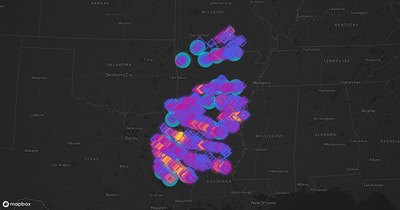
See exactly what you get.
Explore the full Springdale, AR Strike Map free – hail track, address overlay, and CSV download. No account required.
Try the Free Demo →