Battle Mountain, NV Hail Storm – April 2026
April 10, 2026 hail storm near Battle Mountain, NV. Radar-confirmed hail track and contractor lead lists available.
Max Hail
2"2" est.
confirmed
Zones
4
NWS alerts
Radar
15
dual-pol hits
Spotter
–
field reports
Dual-Pol Radar
Spotter Report
NWS Warning
NWS WARNING AREA · Battle Mountain Metro · Apr 10, 2026 · Click a zone to highlight
PURCHASE THIS STORM
Full storm data delivered to all buyers. No slot limit.
By purchasing, you agree to our Terms of Service and acknowledge the Data Accuracy Disclaimer. Address lists are derived from NOAA radar and federal databases; inclusion does not guarantee property damage.
Pro gets 1-hour priority access
From $49/mo · Auto-delivered leads
NWS WARNING AREAS · 4
This storm generated 4 NWS alert zones. One purchase covers the complete storm track and all addresses across every zone.
ZONE 1NWS NVC015
Battle Mountain, NV
Dual-Pol Radar
Alert issued Fri, Apr 10 · 8:43 PM UTC
2"
confirmed
2"
est. (NWS)
ZONE 2NWS NVC015
Battle Mountain, NV
Dual-Pol Radar
Alert issued Fri, Apr 10 · 9:16 PM UTC
2"
confirmed
2"
est. (NWS)
ZONE 3NWS NVC011
Battle Mountain, NV
Dual-Pol Radar
Alert issued Fri, Apr 10 · 9:28 PM UTC
2"
confirmed
2"
est. (NWS)
ZONE 4NWS NVC011
Battle Mountain, NV
Dual-Pol Radar
Alert issued Fri, Apr 10 · 9:42 PM UTC
2"
confirmed
2"
est. (NWS)
Battle Mountain, NV saw a concluded hail storm on 2026-04-10 with 2-inch hail reported in multiple warning periods through mid-afternoon. Four NWS alerts tracked the event from 1:43 PM PDT through 2:42 PM PDT.
What Happened
The storm moved across the Battle Mountain area on Friday afternoon, with hail alerts issued at 1:43 PM, 2:16 PM, 2:28 PM, and 2:42 PM PDT. Each alert carried a 2-inch hail signal tied to dual-polarization radar detection.
The sequence shows a persistent hail core over the same general storm path. The first alert came in early afternoon. Additional alerts followed over the next hour, with the last one posted at 2:42 PM PDT. The event is concluded.
Radar support stayed consistent across the series of alerts. That points to a hail-producing storm that held together as it moved through the Battle Mountain metro area and surrounding warning area.
Damage Assessment
Two-inch hail can break windows, dent vehicles, and damage roof coverings, vents, skylights, gutters, and soft metal trim. In commercial settings, that size often leaves impact marks on HVAC cabinets, condensers, downspouts, and exposed membrane edges.
The damage pattern depends on roof type, slope, and exposure. Steeper roofs may show less visible impact from the ground while still carrying strike marks on shingles, flashing, ridge caps, and rooftop equipment. Flat and low-slope roofs can take direct hits on seams, penetrations, and edge details.
In a multi-alert event like this, repeated hail periods can widen the field of impact across a neighborhood or job site. Crews should expect isolated heavy strikes rather than uniform coverage. Surface condition, wind, and storm motion can change how much material damage appears on the same block.
For owners, the key field signs include fresh bruising on asphalt shingles, cracked polycarbonate covers, dented metal roofing, and chipped window screens. On vehicles, look for clustered dents on horizontal panels, mirrors, and rooflines. Siding and fence panels can also show impact marks, especially on west- and south-facing exposures.
What Contractors Should Know
Start with roof edges, penetrations, and impact-prone slopes. Document ridge caps, pipe boots, vents, flashing, skylights, and condensers before cleanup begins. On metal roofs, check panel seams, fasteners, and trim for new deformation. On shingle roofs, separate hail marks from wear, granular loss, and past repairs.
Use the alert timing to organize canvass routes and inspection priority. The first alert at 1:43 PM PDT and the later alerts through 2:42 PM PDT suggest a storm window long enough to affect multiple parts of the Battle Mountain area. Assign crews to the highest-exposure roofs first, then move to vehicle lots, apartment complexes, and light commercial properties where impact counts are easier to verify.
Storm Details
- Start Date
- Friday, April 10, 2026
- Last Activity
- Friday, April 10, 2026
- Location
- Battle Mountain, NV
- Warning Areas
- 4
- Dual-Pol Radar
- 15
- Spotter Reports
- --
StormSnipe Pro
BEST VALUENever miss a storm in your market.
Auto-delivered leads with 1-hour priority access before shared buyers. Set it and close more jobs.
$49
/mo
1 Zone
POPULAR
$99
/mo
5 Zones
$199
/mo
Unlimited
- 1-hour priority access before public
- Auto-delivered every storm in your market
- Interactive Strike Map + hail track
Cancel anytime · No commitment
Try Before You Buy
See exactly what you get.
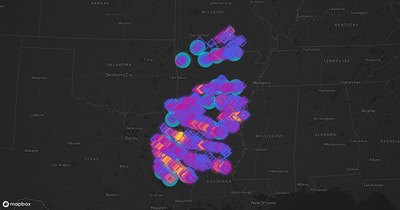
Explore the full Springdale, AR Strike Map free – hail track, address overlay, and CSV download. No account required.
Try the Free Demo →