Seminole, OK Hail Storm – April 2026
April 10, 2026 hail storm near Seminole, OK. Radar-confirmed hail track and contractor lead lists available.
Max Hail
1.25"1" est.
confirmed
Zones
2
NWS alerts
Radar
9
dual-pol hits
Spotter
–
field reports
Dual-Pol Radar
Spotter Report
NWS Warning
NWS WARNING AREA · Seminole Metro · Apr 10, 2026 · Click a zone to highlight
PURCHASE THIS STORM
Full storm data delivered to all buyers. No slot limit.
By purchasing, you agree to our Terms of Service and acknowledge the Data Accuracy Disclaimer. Address lists are derived from NOAA radar and federal databases; inclusion does not guarantee property damage.
Pro gets 1-hour priority access
From $49/mo · Auto-delivered leads
NWS WARNING AREAS · 2
This storm generated 2 NWS alert zones. One purchase covers the complete storm track and all addresses across every zone.
ZONE 1NWS OKC125
Seminole, OK
Dual-Pol Radar
Alert issued Fri, Apr 10 · 10:34 PM UTC
1.25"
confirmed
1"
est. (NWS)
ZONE 2NWS OKC125
Earlsboro, OK
Dual-Pol Radar
Alert issued Fri, Apr 10 · 10:59 PM UTC
1.25"
confirmed
1"
est. (NWS)
What Happened
Seminole, OK saw a concluded hail event on April 10, 2026, with a peak hail size of 1.25 inches across the metro area. The storm produced two NWS hail alerts in the early evening, first at 5:34 PM CDT and again at 5:59 PM CDT.
Both alerts carried 1-inch hail wording and dual-polarization radar support from NEXRAD hail detection. The repeated alerts point to a storm that maintained a hail threat through late afternoon into early evening.
Damage Assessment
Hail in the 1-inch to 1.25-inch range can leave visible impact on exposed building surfaces, soft metals, vents, and skylights. The lower end of that range often shows up first on vehicles, gutters, and roof accessories. The upper end can add more concentrated bruising on shingles and more obvious dents on siding, trim, and exterior equipment.
In Seminole, the storm stayed within a range that calls for a close exterior review rather than a broad assumption of severe structural loss. Roof slopes, ridge caps, flashing, window screens, condensers, and vehicle fleets are the main field targets after an event like this. Asphalt shingles may show granule loss or soft bruising that is not visible from the ground. Metal roofs and gutters often show the cleanest hail marks.
Property managers should check the oldest roofs first, then move through any exposed flat surfaces and mechanical units. Crews should document impact points by elevation and building face. They should also note whether damage appears isolated or spread through multiple structures in the same block. That distinction helps separate a local hit from scattered edge effects.
What Contractors Should Know
Start with a daylight exterior walk and separate cosmetic marks from functional damage. Use roof access only after the ground-level pass. Focus on slopes facing the storm path, metal fixtures, vents, turbine caps, soft metals, fence tops, and condenser fins. A 1.25-inch hail event can leave mixed damage patterns, with some surfaces showing clear strikes and others showing only light scuffing.
For restoration planning, treat this as a small to moderate hail workload until the roof count and vehicle count are verified on site. Look for matched hit fields on shingles, fresh denting on aluminum trim, and impact patterns on vinyl and painted surfaces. Record address-level conditions, not neighborhood averages. Two nearby roofs can show different results if one had more direct exposure or older materials.
Keep photos tied to cardinal sides of the structure and separate pre-existing wear from new impact. On multifamily, retail, and light industrial sites, check HVAC housings, exhaust caps, gutters, downspouts, and membrane edges. A fast inspection pass can miss subtle loss, especially on darker shingles and metal systems where strike marks do not stand out at a distance.
Storm Details
- Start Date
- Friday, April 10, 2026
- Last Activity
- Friday, April 10, 2026
- Location
- Seminole, OK
- Warning Areas
- 2
- Dual-Pol Radar
- 9
- Spotter Reports
- --
StormSnipe Pro
BEST VALUENever miss a storm in your market.
Auto-delivered leads with 1-hour priority access before shared buyers. Set it and close more jobs.
$49
/mo
1 Zone
POPULAR
$99
/mo
5 Zones
$199
/mo
Unlimited
- 1-hour priority access before public
- Auto-delivered every storm in your market
- Interactive Strike Map + hail track
Cancel anytime · No commitment
Try Before You Buy
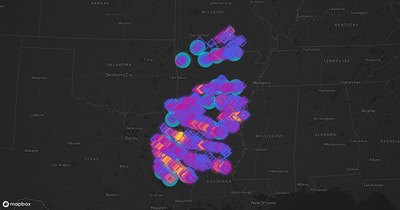
See exactly what you get.
Explore the full Springdale, AR Strike Map free – hail track, address overlay, and CSV download. No account required.
Try the Free Demo →