Elkton, OR Hail Storm – April 2026
April 10, 2026 hail storm near Elkton, OR. Radar-confirmed hail track and contractor lead lists available.
Max Hail
0.75"1" est.
confirmed
Zones
1
NWS alerts
Radar
2
dual-pol hits
Spotter
–
field reports
Dual-Pol Radar
Spotter Report
NWS Warning
NWS WARNING AREA · Elkton Metro · Apr 10, 2026
PURCHASE THIS STORM
Full storm data delivered to all buyers. No slot limit.
By purchasing, you agree to our Terms of Service and acknowledge the Data Accuracy Disclaimer. Address lists are derived from NOAA radar and federal databases; inclusion does not guarantee property damage.
Pro gets 1-hour priority access
From $49/mo · Auto-delivered leads
NWS WARNING AREA
NWS ORC019
Elkton, OR
Dual-Pol Radar
Alert issued Fri, Apr 10 · 10:39 PM UTC
0.75"
confirmed
1"
est. (NWS)
What Happened
Elkton, OR saw a concluded hail storm on April 10, 2026, with a maximum confirmed hail size of 0.75 inch. One severe thunderstorm warning covered the event in the late afternoon, with dual-polarization radar indicating 1 inch hail at 3:39 PM PDT.
The storm stayed brief and localized. The warning area covered the broader path of the cell as it moved through the Elkton metro area. Radar support for hail was present during the warning window, but the verified hail size on the event page topped out at three-quarters of an inch.
The timing points to a short-lived hail core rather than a long-duration hail producer. The storm reached its peak during the afternoon, then exited the area and ended the same day.
Damage Assessment
Hail at 0.75 inch can produce scattered impacts on exposed surfaces. Light vehicle damage is possible, especially on older finishes, soft trim, and unprotected glass. Roof effects are usually limited to minor bruising on older shingles or isolated cosmetic marks on marginal roofing materials.
Siding, screens, gutters, and outdoor fixtures can show small dents or chips when hailstones reach this size. Property damage reports at this scale tend to be uneven across a neighborhood. One side of a structure can show visible marks while another shows little or no effect, depending on the storm path and roof angle.
For contractors, this size range often fits a spot-check response. Inspect north and west roof slopes first if local wind and hail alignment support that pattern. Check ridge caps, vent collars, downspouts, window screens, and vehicle lots near the main storm path. Look for fresh, shallow bruising on asphalt shingles and for impact marks on painted metal and vinyl surfaces.
What Contractors Should Know
The warning area for this storm was narrow enough to support targeted canvassing. Focus on addresses inside the main path rather than broad neighborhood sweeps. Watch for homes with older roofing, low slope areas, skylights, and exposed gutter systems. Hail around three-quarters of an inch often leaves subtle marks that are easier to miss on a quick exterior walk.
Use roofline conditions and impact direction to sort likely loss patterns. Crews should document granule loss, fractured shingle tabs, dented metal soft metals, and screen damage in the same visit. Vehicles parked outside during the late afternoon storm may also show impact points that help confirm the local hail footprint.
When scheduling inspections, start near the warning corridor and work outward. Keep notes on tree cover, roof age, and construction type. Small hail can still generate a mixed damage pattern, with some structures showing repairable cosmetic impact and others showing little visible effect.
For precise hail track data, use the Strike Map.
Storm Details
- Start Date
- Friday, April 10, 2026
- Last Activity
- Friday, April 10, 2026
- Location
- Elkton, OR
- Warning Areas
- 1
- Dual-Pol Radar
- 2
- Spotter Reports
- --
StormSnipe Pro
BEST VALUENever miss a storm in your market.
Auto-delivered leads with 1-hour priority access before shared buyers. Set it and close more jobs.
$49
/mo
1 Zone
POPULAR
$99
/mo
5 Zones
$199
/mo
Unlimited
- 1-hour priority access before public
- Auto-delivered every storm in your market
- Interactive Strike Map + hail track
Cancel anytime · No commitment
Try Before You Buy
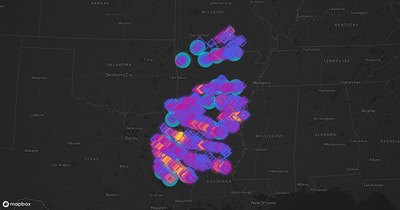
See exactly what you get.
Explore the full Springdale, AR Strike Map free – hail track, address overlay, and CSV download. No account required.
Try the Free Demo →