Longdale, OK Hail Storm – April 2026
April 10, 2026 hail storm near Longdale, OK. Radar-confirmed hail track and contractor lead lists available.
Max Hail
1.5"1.5" est.
confirmed
Zones
1
NWS alerts
Radar
9
dual-pol hits
Spotter
–
field reports
Dual-Pol Radar
Spotter Report
NWS Warning
NWS WARNING AREA · Longdale Metro · Apr 10, 2026
PURCHASE THIS STORM
Full storm data delivered to all buyers. No slot limit.
By purchasing, you agree to our Terms of Service and acknowledge the Data Accuracy Disclaimer. Address lists are derived from NOAA radar and federal databases; inclusion does not guarantee property damage.
Pro gets 1-hour priority access
From $49/mo · Auto-delivered leads
NWS WARNING AREA
NWS OKC011
Longdale, OK
Dual-Pol Radar
617 addresses in warning area
Alert issued Fri, Apr 10 · 11:55 PM UTC
1.5"
confirmed
1.5"
est. (NWS)
What Happened
Longdale, OK saw a concluded hail storm on April 10, 2026. The peak hail size reached 1.5 inches, with the storm producing a narrow hail swath during the early evening.
The NWS warning area covering the storm was issued at 6:55 PM CDT. Dual-polarization radar supported the hail estimate with NEXRAD hail detection showing a 1.5-inch signal in the warning polygon.
The hail signal was tied to a single zone storm report for Longdale. No additional hail sizes were listed in the event data.
Damage Assessment
Hail at 1.5 inches can break softer roofing materials, crack a range of skylight covers, and dent thinner metal surfaces. It can also damage condensers, vents, and vehicle finishes exposed during the event.
In a small town setting like Longdale, even a short hail core can leave a mixed damage pattern. One side of a roof may show impact marks while nearby properties only see gutter dings or minor shingle loss. Siding, window trim, and south- or west-facing exposures often show the clearest evidence when hailstones are large enough to hit at an angle.
Roof checks should focus on the slope that took the first impact, along with ridge caps, pipe boots, and soft-metal flashings. Granule loss is common after storms in this size range. Fresh bruising may not show from the ground.
Vehicles parked in the open can show visible pitting, especially on hoods and roof panels. Outdoor HVAC units and exposed utility covers should be documented before cleanup starts.
What Contractors Should Know
Longdale’s 1.5-inch hail event warrants close inspection of roofs with asphalt shingles, lightweight metal panels, and accessory structures. Walk the full perimeter first. Note any concentrated impact marks on gutters, downspouts, fence caps, and window screens. Then move to the roof field and check for bruising, lifted tabs, punctures, and loosened flashing.
Crews should treat early photos as part of the claim record. Capture wide shots that place the property in context, then tight images of the strike points. Where possible, pair roof evidence with siding, window, and trim damage on the same elevation. That helps separate hail impact from age-related wear and wind scuffing.
On jobs with mixed exposure, the best evidence often comes from repeated hits on the same surface. Look for patterns on soft metals, evaporative cooler fins, AC coil guards, and painted trim. If the roof shows limited visible loss, the supporting exterior damage can still help document the event footprint.
Estimate teams should also note any other recent weather that could affect conditions on the property. Water staining, prior repairs, and brittle shingles can change how hail appears in the field. Clear before-and-after photos matter when the storm produced only one main hail core and the damage is localized.
Storm Details
- Start Date
- Friday, April 10, 2026
- Last Activity
- Friday, April 10, 2026
- Location
- Longdale, OK
- Warning Areas
- 1
- Dual-Pol Radar
- 9
- Spotter Reports
- --
StormSnipe Pro
BEST VALUENever miss a storm in your market.
Auto-delivered leads with 1-hour priority access before shared buyers. Set it and close more jobs.
$49
/mo
1 Zone
POPULAR
$99
/mo
5 Zones
$199
/mo
Unlimited
- 1-hour priority access before public
- Auto-delivered every storm in your market
- Interactive Strike Map + hail track
Cancel anytime · No commitment
Try Before You Buy
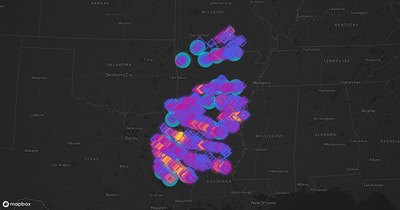
See exactly what you get.
Explore the full Springdale, AR Strike Map free – hail track, address overlay, and CSV download. No account required.
Try the Free Demo →