Salt Flat, TX Hail Storm – April 2026
April 11, 2026 hail storm near Salt Flat, TX. Radar-confirmed hail track and contractor lead lists available.
Max Hail
2.5"1.75" est.
confirmed
Zones
1
NWS alerts
Radar
11
dual-pol hits
Spotter
–
field reports
NWS WARNING AREA · Salt Flat Metro · Apr 11, 2026
Intelligence Platform
StormSnipe Pro
$49/ mo
Cancel anytime · No contracts
›All 50 states
›No zone limits
›No per-event fees
Subscribe to Pro
Pro renews monthly until canceled · Cancel anytime in the billing portal
What's included
Instant delivery
Every storm published within hours of NOAA confirmation.
Interactive Strike Map
Full radar-confirmed hail track on an interactive map.
Address CSV export
Every affected residential address, export-ready.
Smart alerts
Notified when a storm hits your area. Set zones once.
Nationwide coverage
All 50 states. No zone restrictions. No geographic caps.
Live pipeline
NOAA NEXRAD processed and delivered 24/7.
Address data notice
Pro coverage in California, Vermont, and Oregon includes the confirmed hail track and Strike Map only — no address lists. State data-privacy law treats compiled address lists differently in those three states, so we exclude their addresses from extraction and delivery.
NWS WARNING AREA
NWS TXC109
Salt Flat, TX
Dual-Pol Radar
13 addresses in warning area
Alert issued Sat, Apr 11 · 12:02 AM UTC
2.5"
confirmed
1.75"
est. (NWS)
What Happened
Salt Flat, TX saw a concluded hail event on April 11, 2026, with a maximum confirmed hail size of 0.2 inch. The storm developed in the evening and moved through the area under a single severe thunderstorm warning at 7:02 PM CDT.
The warning included a dual-polarization radar hail signal tied to a 1.75-inch hail estimate. No separate spotter report raised the hail size beyond the observed 0.2-inch maximum for this page. The event remained a single-zone report for Salt Flat.
Damage Assessment
At 0.2 inch, the hail was small. It is usually too small to dent roofing, vehicles, or metal siding. The main impact is often short-lived noise, minor surface peppering, and debris blown by storm winds rather than hail-driven damage.
For contractors, the hail size matters because it does not point to the kind of widespread repair demand seen after larger stones. Crews should still document the address list carefully. Even small hail can leave isolated marks on soft exterior surfaces, screens, or older coatings. A brief field check helps separate storm noise from real impact.
What Contractors Should Know
This event is not a broad hail-loss trigger. The warning area was brief and the verified hail size remained at 0.2 inch. That puts this storm in a low-damage range for most roofs, gutters, window screens, and exterior trim. Field notes should focus on whether any property had pre-existing wear, loose granule loss, or brittle accessories that could show minor surface effects.
If you are canvassing Salt Flat, work the area with a narrow inspection lens. Check south- and west-facing exposures, lightweight screens, patio covers, and vehicles left outdoors. Photograph any marks that appear to line up with the storm timing. Keep attention on localized impacts rather than assuming a uniform hail swath across the whole warning area.
For scheduling, this storm fits a quick triage pattern. A short exterior review is usually enough to sort non-damage calls from the few properties that may need follow-up. Use roof slopes, gutter runs, and soft metal components as the first look points. If there is no visible impact, move on and log the address as clear.
The warning area matters for lead planning, but it is not the same as the precise hail track. For exact hail path data in Salt Flat, use the Strike Map.
Storm Details
- Start Date
- Friday, April 10, 2026
- Last Activity
- Friday, April 10, 2026
- Location
- Salt Flat, TX
- Warning Areas
- 1
- Dual-Pol Radar
- 11
- Spotter Reports
- --
Preview Strike Map
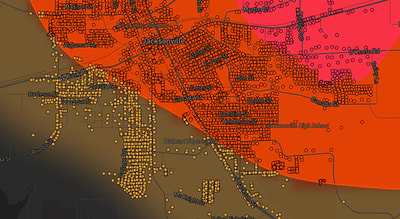
See exactly what you get.
Explore the full Springdale, AR Strike Map free – hail track, address overlay, and CSV download. No account required.
Try the Free Demo →