Hulett, WY Hail Storm – April 2026
April 13, 2026 hail storm near Hulett, WY. Radar-confirmed hail track and contractor lead lists available.
Max Hail
2"1.75" est.
confirmed
Zones
6
NWS alerts
Radar
94
dual-pol hits
Spotter
1
field reports
NWS WARNING AREA · Hulett Metro · Apr 13, 2026
Intelligence Platform
StormSnipe Pro
$49/ mo
Cancel anytime · No contracts
›All 50 states
›No zone limits
›No per-event fees
Subscribe to Pro
Pro renews monthly until canceled · Cancel anytime in the billing portal
What's included
Instant delivery
Every storm published within hours of NOAA confirmation.
Interactive Strike Map
Full radar-confirmed hail track on an interactive map.
Address CSV export
Every affected residential address, export-ready.
Smart alerts
Notified when a storm hits your area. Set zones once.
Nationwide coverage
All 50 states. No zone restrictions. No geographic caps.
Live pipeline
NOAA NEXRAD processed and delivered 24/7.
Address data notice
Pro coverage in California, Vermont, and Oregon includes the confirmed hail track and Strike Map only — no address lists. State data-privacy law treats compiled address lists differently in those three states, so we exclude their addresses from extraction and delivery.
NWS WARNING AREAS · 6
This storm generated 6 NWS alert zones. Pro access covers the complete storm track and all addresses across every zone.
ZONE 1NWS WYC005
Hulett, WY
Dual-Pol Radar
70 addresses in warning area
Alert issued Mon, Apr 13 · 7:26 PM UTC
1.5"
confirmed
1.5"
est. (NWS)
ZONE 2NWS MTC011
Alzada, MT
Dual-Pol Radar
9 addresses in warning area
Alert issued Mon, Apr 13 · 7:47 PM UTC
1.75"
confirmed
1.75"
est. (NWS)
ZONE 3NWS MTC011
Alzada, MT
Dual-Pol Radar
19 addresses in warning area
Alert issued Mon, Apr 13 · 8:04 PM UTC
1.75"
confirmed
1.75"
est. (NWS)
ZONE 4NWS MTC011
Hammond, MT
Dual-Pol Radar
28 addresses in warning area
Alert issued Mon, Apr 13 · 8:11 PM UTC
1.5"
confirmed
1.5"
est. (NWS)
ZONE 5NWS SDC063
Camp Crook, SD
Dual-Pol Radar
Alert issued Mon, Apr 13 · 9:11 PM UTC
2"
confirmed
1"
est. (NWS)
ZONE 6NWS SDC063
Buffalo, SD
Dual-Pol Radar
Alert issued Mon, Apr 13 · 9:40 PM UTC
1.75"
confirmed
1.75"
est. (NWS)
What Happened
A hail storm crossed the Hulett, WY area on April 13, 2026, with a peak confirmed hail size of 2 inches. The event produced six alert points between 1:26 PM MDT and 3:40 PM MDT, with the strongest hail signatures appearing early afternoon and again late in the sequence.
The first radar-derived hail detection came in at 1:26 PM MDT with 1.5-inch hail. The storm strengthened by 1:47 PM MDT and again at 2:04 PM MDT, when dual-polarization radar continued to support 1.75-inch hail. Another radar alert at 2:11 PM MDT kept hail near 1.5 inches. A spotter report at 3:11 PM MDT noted 1-inch hail. The final alert at 3:40 PM MDT returned to 1.75-inch radar-derived hail.
The alert pattern shows a storm that maintained severe hail potential for several hours across the Hulett warning area. Radar detections and the spotter report point to a mixed hail core, with size changes over time rather than a single brief peak.
Damage Assessment
Hail in the 1.5-inch to 1.75-inch range is enough to damage roofs, window screens, exterior trim, vents, and exposed vehicle surfaces. Two-inch hail raises the risk of fractured shingles, dented metal components, and cracked skylights or glazing, especially where the storm struck repeatedly.
Properties with older roofing, soft metal roofing, or recent patchwork repairs should be checked first. Asphalt shingles can lose protective granules even when the surface damage is not obvious from the ground. On commercial sites, look at HVAC fins, gutters, downspouts, awnings, and rooftop units. Vinyl siding and painted fascia often show impact marks after hail in this size range.
Damage can be uneven across the same neighborhood. A roof two blocks away may show little more than bruising while a nearby structure takes enough hits to warrant a full inspection. Vehicles parked outside during the storm may show roof, hood, and windshield damage, especially if they were exposed during the stronger radar periods in the early afternoon.
What Contractors Should Know
Plan roof, exterior, and vehicle inspections around the full hail sequence, not just the peak size. In a storm with repeated radar detections and a spotter report, crews should expect multiple impact zones inside the broader warning area. Start with the hardest-hit structures, then move to adjacent properties where hail size shifted between 1 inch and 1.75 inches.
For restoration work, document impact marks on shingles, soft metals, siding, vents, and window screens before cleaning or temporary repairs. Check slopes that faced the incoming storm path first. On commercial jobs, inspect rooftop equipment, curbs, and membrane seams. Collect photographs with location notes tied to the time of inspection so adjusters can separate early storm impacts from later passes.
If your crew is canvassing after the storm, prioritize roofs with older shingles, south- and west-facing elevations, and properties with exposed metal trim. Hail reports in this range often lead to scattered but workable claims, especially where the storm repeated over the same corridor.
Storm Details
- Start Date
- Monday, April 13, 2026
- Last Activity
- Monday, April 13, 2026
- Location
- Hulett, WY
- Warning Areas
- 6
- Dual-Pol Radar
- 94
- Spotter Reports
- 1
Preview Strike Map
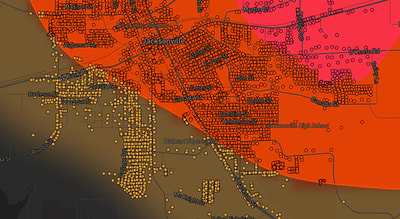
See exactly what you get.
Explore the full Springdale, AR Strike Map free – hail track, address overlay, and CSV download. No account required.
Try the Free Demo →