Avoca, TX Hail Storm – April 2026
April 13, 2026 hail storm near Avoca, TX. Radar-confirmed hail track and contractor lead lists available.
Max Hail
2.75"2.5" est.
confirmed
Zones
9
NWS alerts
Radar
242
dual-pol hits
Spotter
6
field reports
NWS WARNING AREA · Avoca Metro · Apr 13, 2026
Intelligence Platform
StormSnipe Pro
$49/ mo
Cancel anytime · No contracts
›All 50 states
›No zone limits
›No per-event fees
Subscribe to Pro
Pro renews monthly until canceled · Cancel anytime in the billing portal
What's included
Instant delivery
Every storm published within hours of NOAA confirmation.
Interactive Strike Map
Full radar-confirmed hail track on an interactive map.
Address CSV export
Every affected residential address, export-ready.
Smart alerts
Notified when a storm hits your area. Set zones once.
Nationwide coverage
All 50 states. No zone restrictions. No geographic caps.
Live pipeline
NOAA NEXRAD processed and delivered 24/7.
Address data notice
Pro coverage in California, Vermont, and Oregon includes the confirmed hail track and Strike Map only — no address lists. State data-privacy law treats compiled address lists differently in those three states, so we exclude their addresses from extraction and delivery.
NWS WARNING AREAS · 9
This storm generated 9 NWS alert zones. Pro access covers the complete storm track and all addresses across every zone.
ZONE 1NWS TXC207
Avoca, TX
Dual-Pol Radar
1,986 addresses in warning area
Alert issued Mon, Apr 13 · 9:22 PM UTC
2.5"
confirmed
1.5"
est. (NWS)
ZONE 2NWS TXC151
Hamlin, TX
Dual-Pol Radar
1,152 addresses in warning area
Alert issued Mon, Apr 13 · 9:40 PM UTC
2.5"
confirmed
2"
est. (NWS)
ZONE 3NWS TXC173
Big Lake, TX
Dual-Pol Radar
133 addresses in warning area
Alert issued Mon, Apr 13 · 9:58 PM UTC
2.5"
confirmed
2.5"
est. (NWS)
ZONE 4NWS TXC081
Sterling City, TX
Dual-Pol Radar
74 addresses in warning area
Alert issued Mon, Apr 13 · 10:24 PM UTC
2.5"
confirmed
2.25"
est. (NWS)
ZONE 5NWS TXC023
Seymour, TX
Dual-Pol Radar
50 addresses in warning area
Alert issued Mon, Apr 13 · 10:33 PM UTC
1.25"
confirmed
1.25"
est. (NWS)
ZONE 6NWS TXC207
Avoca, TX
Dual-Pol Radar
Alert issued Mon, Apr 13 · 10:47 PM UTC
2.5"
confirmed
2.5"
est. (NWS)
ZONE 7NWS TXC335
Colorado City, TX
Dual-Pol Radar
940 addresses in warning area
Alert issued Mon, Apr 13 · 11:11 PM UTC
2.75"
confirmed
1"
est. (NWS)
ZONE 8NWS TXC151
Sweetwater, TX
Dual-Pol Radar
1,506 addresses in warning area
Alert issued Mon, Apr 13 · 11:51 PM UTC
2.25"
confirmed
1.75"
est. (NWS)
ZONE 9NWS TXC151
Rotan, TX
Dual-Pol Radar
366 addresses in warning area
Alert issued Tue, Apr 14 · 12:30 AM UTC
2.25"
confirmed
1.25"
est. (NWS)
What Happened
A severe hail storm crossed the Avoca, TX area on April 13, 2026, with a peak hail size of 2.75 inches and a long sequence of radar-detected and spotter-verified reports across west-central Texas. The storm produced multiple large-hail alerts from mid-afternoon into early evening, then continued to generate field reports after sunset.
Dual-polarization radar first flagged 1.5-inch hail at 4:22 PM CDT, then 2-inch hail at 4:40 PM CDT and 2.5-inch hail at 4:58 PM CDT. Additional radar detections followed at 5:24 PM CDT with 2.25-inch hail, 5:33 PM CDT with 1.25-inch hail, and 5:47 PM CDT with another 2.5-inch hail estimate. Spotter reports then began to fill in the ground picture, with a 1-inch report at 6:11 PM CDT, a 1.75-inch report at 6:51 PM CDT, and another 1.25-inch report at 7:30 PM CDT.
Nearby field reports showed the broader hail corridor extending beyond Avoca. At 6:45 PM CDT, a public report from Loraine described ping pong ball sized hail. At 7:05 PM CDT, a photo from Roscoe showed quarter-sized hail. At 7:32 PM CDT, a spotter in Rotan reported golf ball sized hail about one block west of the park in town. The repeated reports across separate towns show a storm complex with more than one hail core and a path that extended well beyond a single point on the map.
Damage Assessment
The damage picture points to a hail event with enough size and coverage to reach roofs, vehicles, and soft outdoor surfaces in more than one community. In Rotan, the golf ball report came from a spotter located close to the town center, one block west of the park. In Loraine, the ping pong ball report came through media relay. In Roscoe, the photo of quarter-sized hail added visual ground truth. A 40 mph wind report at 6:42 PM CDT also appeared in the field data, which suggests some localized wind load alongside the hail.
For Avoca and the surrounding metro area, the radar sequence matters because it shows hail growth and persistence over several hours. The storm did not produce a single short-lived burst. It cycled through multiple large-hail signatures and then continued with spotter-observed stones later in the evening. That pattern usually leaves scattered but concentrated impact areas along the storm path, especially where hail fell during the stronger cores.
The reports do not point to one uniform impact field. They show varying hail sizes across different towns and times. That is consistent with a hail-producing storm that evolved as it moved east and northeast through the region, with the largest stones appearing in the radar sequence earlier in the event and verified ground reports arriving later from downstream locations.
What Contractors Should Know
This storm touched several communities in the Colorado City and west-central Texas corridor, including Avoca, Loraine, Roscoe, and Rotan. Roof, siding, gutter, and vehicle checks should start with the neighborhoods and streets that sat under the storm path during the late-afternoon radar peaks, then extend outward to the towns that filed spotter reports after 6 PM CDT.
Storm Details
- Start Date
- Monday, April 13, 2026
- Last Activity
- Monday, April 13, 2026
- Location
- Avoca, TX
- Warning Areas
- 9
- Dual-Pol Radar
- 242
- Spotter Reports
- 6
Preview Strike Map
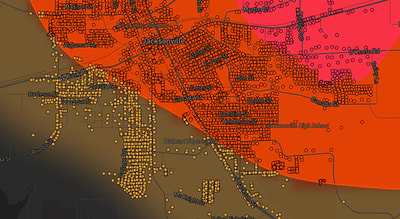
See exactly what you get.
Explore the full Springdale, AR Strike Map free – hail track, address overlay, and CSV download. No account required.
Try the Free Demo →