Fort Stockton, TX Hail Storm – April 2026
April 22, 2026 hail storm near Fort Stockton, TX. Radar-confirmed hail track and contractor lead lists available.
Max Hail
1.75"1.25" est.
confirmed
Zones
1
NWS alerts
Radar
26
dual-pol hits
Spotter
–
field reports
NWS WARNING AREA · Fort Stockton Metro · Apr 22, 2026
Intelligence Platform
StormSnipe Pro
$49/ mo
Cancel anytime · No contracts
›All 50 states
›No zone limits
›No per-event fees
Subscribe to Pro
Pro renews monthly until canceled · Cancel anytime in the billing portal
What's included
Instant delivery
Every storm published within hours of NOAA confirmation.
Interactive Strike Map
Full radar-confirmed hail track on an interactive map.
Address CSV export
Every affected residential address, export-ready.
Smart alerts
Notified when a storm hits your area. Set zones once.
Nationwide coverage
All 50 states. No zone restrictions. No geographic caps.
Live pipeline
NOAA NEXRAD processed and delivered 24/7.
Address data notice
Pro coverage in California, Vermont, and Oregon includes the confirmed hail track and Strike Map only — no address lists. State data-privacy law treats compiled address lists differently in those three states, so we exclude their addresses from extraction and delivery.
NWS WARNING AREA
NWS TXC043
Fort Stockton, TX
Dual-Pol Radar
5 addresses in warning area
Alert issued Wed, Apr 22 · 9:55 PM UTC
1.75"
confirmed
1.25"
est. (NWS)
Fort Stockton, Texas recorded a concluded hail event on April 22, 2026, in the late afternoon with peak hail measured at 1.75 inches. The storm prompted a single NWS warning and produced a concentrated hail swath through the metro.
What Happened
The storm moved through Fort Stockton in the late afternoon on April 22. The National Weather Service issued one severe thunderstorm warning at 4:55 PM CDT for 1.25-inch hail. Radar-detected returns showed strong reflectivity through the warning period and post-event review verified larger hail in the metro area. The event is listed as concluded and no additional NWS alerts were issued for this storm.
Damage Assessment
Hail of roughly golf-ball size can dent exposed metal and crack or bruise asphalt roofing shingles. Vehicles parked outdoors are at high risk of panel dents and broken mirrors or headlights. Vinyl siding and soft metals may show punctures or abrasion where hail concentrated along the swath. Glass is less commonly shattered at this diameter but skylights and patio doors should be inspected for hairline cracks and stress fractures.
Roofing inspections should prioritize sections facing the storm track and windward exposures. Look for granule loss, split shingle edges, fractured tabs, and concentrated bruising on low-slope coverings. On vehicles, photo document dent patterns and broken trim. Exterior fixtures such as air-conditioning condenser fins, solar panels, and satellite dishes are vulnerable to impact scarring and should be checked before system startups.
What Contractors Should Know
Begin with a documented field survey tied to time-stamped photos and GPS-tagged locations. Prioritize safety: unstable roofing, glass, and ladders present elevated risk after hail. Record roof slope, covering type, and visible failure modes. For vehicles, capture multiple angles and include ruler or coin for scale. Provide owners with clear, dated condition reports to support claims and repairs.
For repairs, plan for targeted patching and staged replacements rather than wholesale replacement where field evidence supports localized damage. Order replacement materials early; hail events can create localized demand for shingles, flashing, and glazing materials. Use temporary covers where active leaks are present and coordinate with insurance adjusters on documented damage paths. Schedule follow-up inspections 7 to 14 days after initial assessment to confirm no delayed failures.
For precise hail track points and the event damage zone, consult the paid Strike Map for Fort Stockton.
Storm Details
- Start Date
- Wednesday, April 22, 2026
- Last Activity
- Wednesday, April 22, 2026
- Location
- Fort Stockton, TX
- Warning Areas
- 1
- Dual-Pol Radar
- 26
- Spotter Reports
- --
Preview Strike Map
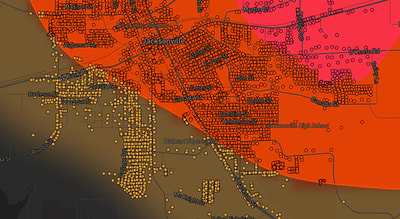
See exactly what you get.
Explore the full Springdale, AR Strike Map free – hail track, address overlay, and CSV download. No account required.
Try the Free Demo →