Lawton, OK Hail Storm – April 2026
April 23, 2026 hail storm near Lawton, OK. Radar-confirmed hail track and contractor lead lists available.
Max Hail
1.5"1" est.
confirmed
Zones
1
NWS alerts
Radar
10
dual-pol hits
Spotter
3
field reports
NWS WARNING AREA · Lawton Metro · Apr 24, 2026
Intelligence Platform
StormSnipe Pro
$49/ mo
Cancel anytime · No contracts
›All 50 states
›No zone limits
›No per-event fees
Subscribe to Pro
Pro renews monthly until canceled · Cancel anytime in the billing portal
What's included
Instant delivery
Every storm published within hours of NOAA confirmation.
Interactive Strike Map
Full radar-confirmed hail track on an interactive map.
Address CSV export
Every affected residential address, export-ready.
Smart alerts
Notified when a storm hits your area. Set zones once.
Nationwide coverage
All 50 states. No zone restrictions. No geographic caps.
Live pipeline
NOAA NEXRAD processed and delivered 24/7.
Address data notice
Pro coverage in California, Vermont, and Oregon includes the confirmed hail track and Strike Map only — no address lists. State data-privacy law treats compiled address lists differently in those three states, so we exclude their addresses from extraction and delivery.
NWS WARNING AREA
NWS OKC031
Lawton, OK
Dual-Pol Radar
Alert issued Fri, Apr 24 · 1:09 AM UTC
1.5"
confirmed
1"
est. (NWS)
A hail-bearing thunderstorm moved through Lawton, OK on April 23, 2026, producing 1-inch stones and spotter-verified surface reports in the early evening. The event concluded the same night after tracking across the Lawton warning area.
What Happened
At 8:09 PM CDT the National Weather Service issued a severe thunderstorm warning with a warning area over Lawton after dual-polarization NEXRAD detected hail signatures within the cell. The radar return showed a compact hail-producing core that crossed the warning area during the early evening commute.
Two mPING submissions came from within the Lawton warning area at 8:32 PM CDT and 8:37 PM CDT; both submissions were spotter-verified. Those field reports registered surface hail within the warning area shortly after the NWS alert and aligned with the radar-indicated hail echo as it moved across the metro. The storm weakened after passing through the city and no further severe signatures persisted on subsequent scans.
Damage Assessment
Radar and spotter data indicate surface hail reached the Lawton metro at two discrete times in the early evening. The two spotter submissions are the primary ground-truth for this event; they report localized surface impact inside the NWS warning area and occurred within a five-minute window. No additional local storm reports of injury or large structural damage were submitted to the NWS in association with this event.
Observed impacts were limited and localized based on available field reports. Emergency-management channels and public reports did not register clusters of vehicle, roof, or siding claims tied to this storm in the first 24 hours following the event. Insurance and municipal crews responding in Lawton should expect inspection requests concentrated where spotter timestamps coincide with populated corridors inside the warning polygon.
Dual-polarization radar showed a narrow axis of enhanced reflectivity and hail signatures as the cell crossed the metro. That radar axis matches the timing of the mPING submissions, indicating the surface impacts recorded by spotters were colocated with the radar-detected core. Where ground-truth is sparse, prioritize areas inside the original warning area that lie along that radar axis for initial canvassing.
What Contractors Should Know
Start with targeted inspections on properties inside the NWS warning area and along the radar-indicated axis that crossed Lawton between 8:09 PM and 8:40 PM CDT. Use the two spotter report times—8:32 PM CDT and 8:37 PM CDT—to focus initial drive routes and avoid a blanket, time-consuming sweep of the entire metro. Inspect roofs for localized bruising on asphalt shingles, check metal panels and gutters for pitting, and examine vehicle surfaces in driveways adjacent to residential streets inside the warning polygon.
Document findings with time-stamped photos and GPS coordinates. When field evidence is limited to isolated spotter submissions, precision in your documentation speeds claim processing and reduces the need for repeat visits. If you find hail blemishes consistent with short-duration, quarter-size impacts, note placement and density on each roof and vehicle rather than using blanket language.
Storm Details
- Start Date
- Thursday, April 23, 2026
- Last Activity
- Thursday, April 23, 2026
- Location
- Lawton, OK
- Warning Areas
- 1
- Dual-Pol Radar
- 10
- Spotter Reports
- 3
Preview Strike Map
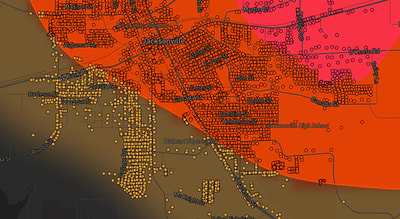
See exactly what you get.
Explore the full Springdale, AR Strike Map free – hail track, address overlay, and CSV download. No account required.
Try the Free Demo →