Iowa Park, TX Hail Storm – April 2026
April 26, 2026 hail storm near Iowa Park, TX. Radar-confirmed hail track and contractor lead lists available.
Max Hail
3.75"3.5" est.
confirmed
Zones
11
NWS alerts
Radar
986
dual-pol hits
Spotter
68
field reports
NWS WARNING AREA · Iowa Park Metro · Apr 26, 2026
Intelligence Platform
StormSnipe Pro
$49/ mo
Cancel anytime · No contracts
›All 50 states
›No zone limits
›No per-event fees
Subscribe to Pro
Pro renews monthly until canceled · Cancel anytime in the billing portal
What's included
Instant delivery
Every storm published within hours of NOAA confirmation.
Interactive Strike Map
Full radar-confirmed hail track on an interactive map.
Address CSV export
Every affected residential address, export-ready.
Smart alerts
Notified when a storm hits your area. Set zones once.
Nationwide coverage
All 50 states. No zone restrictions. No geographic caps.
Live pipeline
NOAA NEXRAD processed and delivered 24/7.
Address data notice
Pro coverage in California, Vermont, and Oregon includes the confirmed hail track and Strike Map only — no address lists. State data-privacy law treats compiled address lists differently in those three states, so we exclude their addresses from extraction and delivery.
NWS WARNING AREAS · 11
This storm generated 11 NWS alert zones. Pro access covers the complete storm track and all addresses across every zone.
ZONE 1NWS OKC141
Iowa Park, TX
Alert issued Sun, Apr 26 · 9:54 PM UTC
3.37"
confirmed
3.75"
est. (NWS)
Map Generation In Progress
Strike Map is being generated. Interactive maps and supplementary data are typically ready within 4 hours of storm confirmation.
Set up storm notifications →ZONE 2NWS OKC031
Randlett, OK
Dual-Pol Radar
8 addresses in warning area
Alert issued Sun, Apr 26 · 10:24 PM UTC
3.25"
confirmed
1.5"
est. (NWS)
ZONE 3NWS OKC033
Wichita Falls, TX
Dual-Pol Radar
2,230 addresses in warning area
Alert issued Sun, Apr 26 · 10:36 PM UTC
3.75"
confirmed
3"
est. (NWS)
ZONE 4NWS TXC485
Iowa Park, TX
Dual-Pol Radar
17 addresses in warning area
Alert issued Sun, Apr 26 · 10:47 PM UTC
3.5"
confirmed
2.28"
est. (NWS)
ZONE 5NWS OKC031
Lawton, OK
Dual-Pol Radar
18 addresses in warning area
Alert issued Sun, Apr 26 · 10:56 PM UTC
3.25"
confirmed
1.19"
est. (NWS)
ZONE 6NWS OKC033
Wichita Falls, TX
Dual-Pol Radar
34 addresses in warning area
Alert issued Sun, Apr 26 · 11:14 PM UTC
3.5"
confirmed
3.5"
est. (NWS)
ZONE 7NWS OKC015
Rush Springs, OK
Dual-Pol Radar
398 addresses in warning area
Alert issued Sun, Apr 26 · 11:31 PM UTC
2.75"
confirmed
2.5"
est. (NWS)
ZONE 8NWS OKC031
Temple, OK
Dual-Pol Radar
Alert issued Sun, Apr 26 · 11:42 PM UTC
3.25"
confirmed
2.4"
est. (NWS)
ZONE 9NWS OKC033
Byers, TX
Dual-Pol Radar
1,094 addresses in warning area
Alert issued Sun, Apr 26 · 11:59 PM UTC
2.54"
confirmed
2"
est. (NWS)
ZONE 10NWS OKC067
Petrolia, TX
Dual-Pol Radar
Alert issued Mon, Apr 27 · 12:26 AM UTC
2.25"
confirmed
2.75"
est. (NWS)
ZONE 11NWS OKC067
Ryan, OK
Dual-Pol Radar
11 addresses in warning area
Alert issued Mon, Apr 27 · 1:05 AM UTC
1.75"
confirmed
2"
est. (NWS)
A severe hail storm tracked through Iowa Park, Texas, late afternoon into the early evening on April 26, 2026, producing stones up to 3.37 inches and generating multiple radar-detected and spotter-verified reports.
What Happened
The event began in the late afternoon with NWS warning areas issued as the line of cells moved northeast across Wichita and Clay counties. At 4:54 PM CDT dual-polarization radar first detected 1.75-inch hail signatures near the western edge of the warning area. Subsequent radar detections at 5:24 PM CDT and 5:56 PM CDT reported smaller cores, while a spotter-verified report at 5:36 PM CDT registered 3-inch hail within a pulsing cell. Radar continued to show strong returns through early evening, with radar detections and spotter reports recorded at 6:14 PM CDT, 6:31 PM CDT, 6:42 PM CDT, 6:59 PM CDT, 7:26 PM CDT, and a final spotter report at 8:05 PM CDT.
Field submissions paralleled the radar timeline. Photographs taken on the south side of Burkburnett around 6:00 PM CDT documented large hail on surfaces. Multiple mPING observers submitted hen-egg sized entries at 7:11 PM CDT and golf-ball reports at 7:15 PM CDT. Several quarter-size entries were reported between 5:35 PM CDT and 6:08 PM CDT. The combined radar detections and spotter observations indicate a multi-cell event with repeated hail cores passing over the same neighborhoods.
Damage Assessment
Surface impact was concentrated along the south side of Burkburnett and in pockets northeast toward Iowa Park. Photographs from 6:00 PM CDT show substantial hail accumulation on pavement and landscaping in south Burkburnett. Multiple mPING submissions at 7:11 PM CDT recorded hen-egg stones, and several separate photo and mPING entries at 7:15 PM CDT documented golf-ball sized hail. Those field reports correspond with radar signatures that tracked through residential and light commercial zones during the 6:00–7:30 PM CDT period.
There are no widespread local storm reports of structural collapse. Photographic evidence and spotter measurements indicate concentrated surface impact on vehicles, exposed outdoor equipment, and unprotected glazing in the neighborhoods where the photos and mPING reports originated. Quarter-size reports earlier in the event suggest a progression of hailstone sizes as the storm cells intensified and then cycled.
What Contractors Should Know
Prioritize inspections in south Burkburnett and the addresses inside the NWS warning areas issued April 26 that lie northeast toward Iowa Park. Begin with vehicle panels, skylights, HVAC condenser fins, and metal coping where photographic accumulation was recorded. Document pre-repair conditions with time-stamped photographs taken from fixed reference points. Use the spotter times as reference when correlating damage to specific hail cores; for example, check properties that received photographic evidence at roughly 6:00 PM CDT and the mPING-logged locations around 7:11–7:15 PM CDT.
Storm Details
- Start Date
- Sunday, April 26, 2026
- Last Activity
- Sunday, April 26, 2026
- Location
- Iowa Park, TX
- Warning Areas
- 11
- Dual-Pol Radar
- 986
- Spotter Reports
- 68
Preview Strike Map
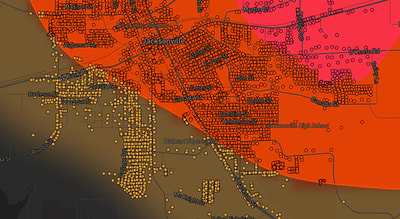
See exactly what you get.
Explore the full Springdale, AR Strike Map free – hail track, address overlay, and CSV download. No account required.
Try the Free Demo →