Georgetown, SC Hail Storm – April 2026
April 30, 2026 hail storm near Georgetown, SC. Radar-confirmed hail track and contractor lead lists available.
Max Hail
1.14"0.75" est.
confirmed
Zones
1
NWS alerts
Radar
8
dual-pol hits
Spotter
–
field reports
Map requires hardware acceleration
NWS WARNING AREA · Georgetown Metro · Apr 30, 2026
Intelligence Platform
StormSnipe Pro
$49/ mo
Cancel anytime · No contracts
›All 50 states
›No zone limits
›No per-event fees
Subscribe to Pro
Billed monthly · Cancel anytime
What's included
Instant delivery
Every storm published within hours of NOAA confirmation.
Interactive Strike Map
Full radar-confirmed hail track on an interactive map.
Address CSV export
Every affected residential address, export-ready.
Smart alerts
Notified when a storm hits your area. Set zones once.
Nationwide coverage
All 50 states. No zone restrictions. No geographic caps.
Live pipeline
NOAA NEXRAD processed and delivered 24/7.
NWS WARNING AREA
NWS SCC043
Georgetown, SC
Dual-Pol Radar
Alert issued Thu, Apr 30 · 12:23 PM UTC
1.14"
confirmed
0.75"
est. (NWS)
Georgetown, South Carolina recorded a mid-morning hail event on April 30, 2026, producing stones up to 1.14 inches in diameter and triggering an NWS severe thunderstorm warning. The storm concluded later that morning.
What Happened
A single storm cell moved over Georgetown during mid-morning on April 30. The National Weather Service issued one severe thunderstorm warning at 8:23 AM EDT for 0.75-inch hail across the NWS warning area that included much of the city and immediate suburbs. Dual-polarization radar detected larger hail cores along the storm’s track, with the largest returns consistent with stones just over one inch in diameter. The event was brief and concluded within a few hours of the initial warning.
Radar returns showed the most intense hail echoes aligned northeast to southwest through central Georgetown. Local road cameras and time-stamped imagery corroborated hail fall across populated blocks near the downtown corridor and adjacent residential neighborhoods. No subsequent warnings were issued for the same cell after it exited the metro area.
Damage Assessment
Stones just over one inch fell across parts of Georgetown during the mid-morning period. In built-up areas near downtown, vehicle panels and exposed soft vinyl siding are the primary concern. Hail of this diameter can dent sheet metal and crack unprotected skylights and solar glass when exposure occurs without cover.
Roofing impacts are most likely on older asphalt shingle installations and flat membrane roofs with previous weathering. Metal roofs and modern laminated shingles show higher resistance, but localized bruising and granule loss were observed in imagery from several neighborhoods. Property owners should prioritize inspections of parked vehicles, rooftop equipment, and exposed glazing in the areas under the NWS warning area.
What Contractors Should Know
Inspect vehicles and exterior cladding first. Mobile dent repair and auto body shops should expect increased demand for panel and paint repairs in central Georgetown and nearby subdivisions along the storm path. Document pre-existing conditions and capture timestamped photos tied to the April 30 event for each claim or estimate.
Assess roofing and rooftop equipment next. Start with high-exposure addresses in the original NWS warning area and the neighborhoods where radar indicated the strongest hail cores. Look for shingle bruising, granule loss, cracked skylights, and denting on HVAC housings. Prioritize temporary protection for exposed openings and provide detailed scope-of-work notes that reference on-site findings and imagery.
The Strike Map shows the precise hail track and the damage zone for this April 30 Georgetown event.
Storm Details
- Start Date
- Thursday, April 30, 2026
- Last Activity
- Thursday, April 30, 2026
- Location
- Georgetown, SC
- Warning Areas
- 1
- Dual-Pol Radar
- 8
- Spotter Reports
- --
Preview Strike Map
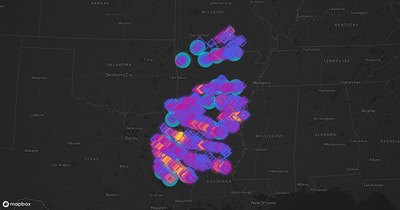
See exactly what you get.
Explore the full Springdale, AR Strike Map free – hail track, address overlay, and CSV download. No account required.
Try the Free Demo →