Big Wells, TX Hail Storm – April 2026
April 30, 2026 hail storm near Big Wells, TX. Radar-confirmed hail track and contractor lead lists available.
Max Hail
3.25"2.91" est.
confirmed
Zones
20
NWS alerts
Radar
4,381
dual-pol hits
Spotter
7
field reports
NWS WARNING AREA · Big Wells Metro · May 1, 2026
Intelligence Platform
StormSnipe Pro
$49/ mo
Cancel anytime · No contracts
›All 50 states
›No zone limits
›No per-event fees
Subscribe to Pro
Pro renews monthly until canceled · Cancel anytime in the billing portal
What's included
Instant delivery
Every storm published within hours of NOAA confirmation.
Interactive Strike Map
Full radar-confirmed hail track on an interactive map.
Address CSV export
Every affected residential address, export-ready.
Smart alerts
Notified when a storm hits your area. Set zones once.
Nationwide coverage
All 50 states. No zone restrictions. No geographic caps.
Live pipeline
NOAA NEXRAD processed and delivered 24/7.
Address data notice
Pro coverage in California, Vermont, and Oregon includes the confirmed hail track and Strike Map only — no address lists. State data-privacy law treats compiled address lists differently in those three states, so we exclude their addresses from extraction and delivery.
NWS WARNING AREAS · 20
This storm generated 20 NWS alert zones. Pro access covers the complete storm track and all addresses across every zone.
ZONE 1NWS TXC127
Big Wells, TX
Dual-Pol Radar
3,058 addresses in warning area
Alert issued Fri, May 1 · 4:33 AM UTC
4"
confirmed
2.91"
est. (NWS)
ZONE 2NWS TXC283
Cotulla, TX
Dual-Pol Radar
2,386 addresses in warning area
Alert issued Fri, May 1 · 5:02 AM UTC
3.5"
confirmed
2"
est. (NWS)
ZONE 3NWS TXC323
Eagle Pass, TX
Dual-Pol Radar
277 addresses in warning area
Alert issued Fri, May 1 · 5:05 AM UTC
4"
confirmed
1.28"
est. (NWS)
ZONE 4NWS TXC163
Batesville, TX
Dual-Pol Radar
390 addresses in warning area
Alert issued Fri, May 1 · 5:42 AM UTC
4"
confirmed
1.81"
est. (NWS)
ZONE 5NWS TXC283
Fowlerton, TX
Dual-Pol Radar
338 addresses in warning area
Alert issued Fri, May 1 · 5:47 AM UTC
3.5"
confirmed
1"
est. (NWS)
ZONE 6NWS TXC013
Pearsall, TX
Dual-Pol Radar
1,435 addresses in warning area
Alert issued Fri, May 1 · 6:28 AM UTC
4"
confirmed
1.63"
est. (NWS)
ZONE 7NWS TXC013
Campbellton, TX
Dual-Pol Radar
762 addresses in warning area
Alert issued Fri, May 1 · 7:31 AM UTC
3.5"
confirmed
1"
est. (NWS)
ZONE 8NWS TXC025
Kenedy, TX
Dual-Pol Radar
239 addresses in warning area
Alert issued Fri, May 1 · 8:04 AM UTC
3.5"
confirmed
1.5"
est. (NWS)
ZONE 9NWS TXC323
La Pryor, TX
Dual-Pol Radar
1,215 addresses in warning area
Alert issued Fri, May 1 · 1:04 PM UTC
2"
confirmed
1"
est. (NWS)
ZONE 10NWS TXC013
Pleasanton, TX
Dual-Pol Radar
5,894 addresses in warning area
Alert issued Fri, May 1 · 4:54 PM UTC
2.75"
confirmed
1"
est. (NWS)
ZONE 11NWS TXC013
Karnes City, TX
Dual-Pol Radar
4,614 addresses in warning area
Alert issued Fri, May 1 · 5:29 PM UTC
2.5"
confirmed
1.42"
est. (NWS)
ZONE 12NWS TXC175
Yorktown, TX
Dual-Pol Radar
826 addresses in warning area
Alert issued Fri, May 1 · 6:09 PM UTC
3.5"
confirmed
1"
est. (NWS)
ZONE 13NWS TXC025
Pettus, TX
Dual-Pol Radar
1,170 addresses in warning area
Alert issued Fri, May 1 · 6:12 PM UTC
3.25"
confirmed
1"
est. (NWS)
ZONE 14NWS TXC175
Victoria, TX
Dual-Pol Radar
24,090 addresses in warning area
Alert issued Fri, May 1 · 6:32 PM UTC
3.75"
confirmed
1.25"
est. (NWS)
ZONE 15NWS TXC239
Point Comfort, TX
Dual-Pol Radar
825 addresses in warning area
Alert issued Fri, May 1 · 6:58 PM UTC
3"
confirmed
1"
est. (NWS)
ZONE 16NWS TXC057
Tivoli, TX
Dual-Pol Radar
1,815 addresses in warning area
Alert issued Fri, May 1 · 6:59 PM UTC
4"
confirmed
1.5"
est. (NWS)
ZONE 17NWS TXC057
Point Comfort, TX
Dual-Pol Radar
3,182 addresses in warning area
Alert issued Fri, May 1 · 7:08 PM UTC
3.25"
confirmed
1.25"
est. (NWS)
ZONE 18NWS TXC239
Palacios, TX
Dual-Pol Radar
5,712 addresses in warning area
Alert issued Fri, May 1 · 7:45 PM UTC
2"
confirmed
1.1"
est. (NWS)
ZONE 19NWS TXC057
Port O'Connor, TX
Dual-Pol Radar
1,554 addresses in warning area
Alert issued Fri, May 1 · 8:02 PM UTC
3.75"
confirmed
1.04"
est. (NWS)
ZONE 20NWS TXC039
Matagorda, TX
Dual-Pol Radar
Alert issued Fri, May 1 · 8:17 PM UTC
2"
confirmed
1"
est. (NWS)
Big Wells, TX — April 30–May 1, 2026. A multi-zone hail event produced up to 3.25-inch hail with sustained NWS warning activity and numerous radar-detected hail signatures.
What Happened
The event began late on April 30 and continued through mid-afternoon May 1. The first radar-detected hail signature appeared at 11:33 PM CDT on April 30, and NWS warnings persisted with the final alert issued at 3:17 PM CDT on May 1. Storm activity generated 20 discrete NWS alerts across the multi-zone aggregate used for this report.
Fourteen of the 20 alerts were radar-detected dual-polarization hail signatures. Six alerts were NWS warning only reports without accompanying radar hail signatures. Reported hail sizes from the alert sequence ranged routinely from about 1.0 inch to 2.9 inches on radar detections, with multiple sub-2-inch cores recurring through late morning and late afternoon periods.
The event exhibited two activity phases. The first phase was late evening into the overnight hours, with stronger radar returns documented shortly after 11:30 PM CDT. The second phase redeveloped during mid-morning and continued into the late afternoon on May 1, producing repeated NWS warnings and radar hail detections across the same multi-zone footprint.
Damage Assessment
Hail sizes recorded during the event span thresholds associated with light cosmetic damage through severe structural impact. Hail in the 1.0–1.5-inch range commonly dents vehicle panels, damages soft vinyl siding, and cracks roof granules on asphalt shingles. Multiple radar-detected reports in that band indicate widespread vehicle and minor roof exposures along the mapped hail track.
Radar-detected cores and NWS warning-only reports above 2.0 inches indicate a higher probability of broken skylights, shattered single-pane windows, significant denting to metal roofs and equipment, and partial loss of asphalt shingles. Given the peak size observed during this event, expect concentrated severe roof and vehicle damage where the hail track intersected residential clusters and farm structures within the Big Wells area.
What Contractors Should Know
Prioritize inspections in zones that intersect the radar-detected hail track and NWS warning area polygons. Start with a drive-by photos and GPS-tagged roof images before conducting a hands-on inspection. Document hail diameter with a ruler or calibrated reference in each photo and record whether damage is localized or continuous along roofing runs.
For immediate field work, secure tarps for exposed roofing and cover broken skylights and windows to prevent water intrusion. Prepare estimates for common repairs: dented metal, asphalt shingle replacement, skylight/glass replacement, and siding repair. Verify insurance claim photos are taken before repairs and keep serial documentation for material replacement. Coordinate staging and safety plans for crew access in rural and agricultural settings.
Storm Details
- Start Date
- Thursday, April 30, 2026
- Last Activity
- Friday, May 1, 2026
- Location
- Big Wells, TX
- Warning Areas
- 20
- Dual-Pol Radar
- 4,381
- Spotter Reports
- 7
Preview Strike Map
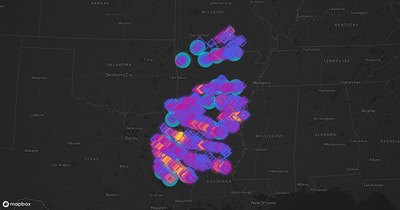
See exactly what you get.
Explore the full Springdale, AR Strike Map free – hail track, address overlay, and CSV download. No account required.
Try the Free Demo →