Glide, OR Hail Storm – May 2026
May 2, 2026 hail storm near Glide, OR. Radar-confirmed hail track and contractor lead lists available.
Max Hail
1.28"1" est.
confirmed
Zones
1
NWS alerts
Radar
1,157
dual-pol hits
Spotter
–
field reports
Map requires hardware acceleration
NWS WARNING AREA · Glide Metro · May 3, 2026
Intelligence Platform
StormSnipe Pro
$49/ mo
Cancel anytime · No contracts
›All 50 states
›No zone limits
›No per-event fees
Subscribe to Pro
Billed monthly · Cancel anytime
What's included
Instant delivery
Every storm published within hours of NOAA confirmation.
Interactive Strike Map
Full radar-confirmed hail track on an interactive map.
Address CSV export
Every affected residential address, export-ready.
Smart alerts
Notified when a storm hits your area. Set zones once.
Nationwide coverage
All 50 states. No zone restrictions. No geographic caps.
Live pipeline
NOAA NEXRAD processed and delivered 24/7.
NWS WARNING AREA
NWS ORC019
Glide, OR
Dual-Pol Radar
Alert issued Sun, May 3 · 1:59 AM UTC
1.28"
confirmed
1"
est. (NWS)
Glide, Oregon experienced radar-detected hail on May 2, 2026, during an early evening severe thunderstorm. The event produced a peak 1.08-inch hailstone while the National Weather Service issued a single warning for the area.
What Happened
A severe thunderstorm moved across the Glide area in the late afternoon into early evening on May 2, 2026. At 6:59 PM PDT the National Weather Service issued one severe thunderstorm warning for the local warning area citing radar-detected hail near one inch. Dual-polarization NEXRAD hail detection was the basis for the warning. The storm was short lived and has concluded. This report covers a single warning area centered on Glide and the immediate surroundings.
Damage Assessment
Radar detected hail reached sizes large enough to threaten exposed property. Vehicles parked outdoors are at risk of denting and glass damage when struck by hail of this event's scale. Asphalt roofing, skylights, and solar panels can show impact marks on older or weathered installations. Landscaping and unprotected crops may have leaf shredding and bruising.
There were no spotter-verified damage reports delivered with the alert data for this event. Inspections should prioritize visible impact evidence such as pitted metal, cracked glazing, and displaced shingle granules. Document all findings with date-stamped photos and location notes tied to property addresses inside the NWS warning area.
What Contractors Should Know
Inspect roofs for granule loss and cracked or split shingles. Focus first on south- and west-facing exposures and on roof penetrations. Check gutters and downspouts for hail accumulation and shingle fragments. For rooftop solar, examine microinverter boxes and panel glass for stress fractures and perform thermal scans where available.
For vehicle and siding work, photograph damage from multiple angles and include a clear reference object for scale. Create a prioritized repair list by severity and by occupancy status. Provide clients with immediate temporary measures to prevent water intrusion, and attach estimates to time-stamped inspection records for insurance intake.
Access the Strike Map to obtain the paid product's precise hail track and damage zone mapping for this event.
Storm Details
- Start Date
- Saturday, May 2, 2026
- Last Activity
- Saturday, May 2, 2026
- Location
- Glide, OR
- Warning Areas
- 1
- Dual-Pol Radar
- 1,157
- Spotter Reports
- --
Preview Strike Map
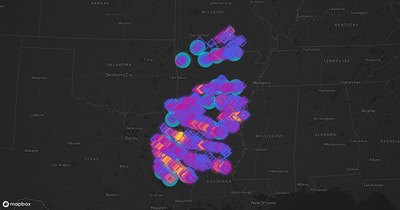
See exactly what you get.
Explore the full Springdale, AR Strike Map free – hail track, address overlay, and CSV download. No account required.
Try the Free Demo →