Downieville, CA Hail Storm – May 2026
May 3, 2026 hail storm near Downieville, CA. Radar-confirmed hail track and contractor lead lists available.
Max Hail
1.33"1" est.
confirmed
Zones
4
NWS alerts
Radar
992
dual-pol hits
Spotter
–
field reports
Map requires hardware acceleration
NWS WARNING AREA · Downieville Metro · May 3, 2026 · Click a zone to highlight
Intelligence Platform
StormSnipe Pro
$49/ mo
Cancel anytime · No contracts
›All 50 states
›No zone limits
›No per-event fees
Subscribe to Pro
Billed monthly · Cancel anytime
What's included
Instant delivery
Every storm published within hours of NOAA confirmation.
Interactive Strike Map
Full radar-confirmed hail track on an interactive map.
Address CSV export
Every affected residential address, export-ready.
Smart alerts
Notified when a storm hits your area. Set zones once.
Nationwide coverage
All 50 states. No zone restrictions. No geographic caps.
Live pipeline
NOAA NEXRAD processed and delivered 24/7.
NWS WARNING AREAS · 4
This storm generated 4 NWS alert zones. Pro access covers the complete storm track and all addresses across every zone.
ZONE 1NWS CAC063
Downieville, CA
Dual-Pol Radar
Alert issued Sun, May 3 · 9:34 PM UTC
0.77"
confirmed
1"
est. (NWS)
ZONE 2NWS NVC027
Reno, NV
NWS Warning
Alert issued Sun, May 3 · 10:09 PM UTC
0.75"
est. (NWS)
ZONE 3NWS CAC007
Mill Creek, CA
Dual-Pol Radar
Alert issued Sun, May 3 · 11:16 PM UTC
1.33"
confirmed
1"
est. (NWS)
ZONE 4NWS CAC089
Paynes Creek, CA
Dual-Pol Radar
301 addresses in warning area
Alert issued Sun, May 3 · 11:47 PM UTC
0.86"
confirmed
1"
est. (NWS)
Downieville, CA experienced a short-lived hail event on May 3, 2026, with peak hail measured at 1.33 inches. The storm produced multiple radar-detected hail alerts and one NWS warning-only alert in the late afternoon.
What Happened
The storm developed into a hail-producing cell in the late afternoon and concluded the same day. NWS products and radar returned four distinct alerts across the event: 2:34 PM PDT (21:34 UTC) — 1.00-inch hail detected by dual-polarization radar (NEXRAD); 3:09 PM PDT (22:09 UTC) — 0.75-inch hail within an NWS warning only alert; 4:16 PM PDT (23:16 UTC) — 1.00-inch radar-detected hail; 4:47 PM PDT (23:47 UTC) — 1.00-inch radar-detected hail. The storm track crossed the Downieville vicinity in a roughly southwest-to-northeast orientation in late afternoon to early evening. Radar detections provided repeated indications of hail cores; one field or measurement recorded a larger 1.33-inch sample during or immediately after the event.
Damage Assessment
Hail in the 0.75–1.33 inch range can dent vehicle panels, bruise or remove granules from asphalt shingles, and crack or chip single-pane windows where exposure is direct. Localized accumulations and repeated impacts increase risk to soft roofing materials and rooftop equipment that lack protective screening. No systematic, spotter-verified damage inventory is included on this page. Teams should prioritize exterior inspections for hail dents, shingle granule loss, and glass damage in locations that reported radar-detected cores.
What Contractors Should Know
Inspect roofs for granule loss, bruising, and fractured tabs. Start with a representative sample of structures along the radar-detected path and expand outward if damage is found. Use close-up photos with timestamps and GPS tags for every affected roof section and vehicle. Note roof age and prior condition in records to separate pre-existing wear from storm-caused damage.
Check vehicles, solar arrays, rooftop HVAC units, and exposed glass next. Measure and photograph hail impacts against a standardized scale. For insurance documentation, collect client statements, date-stamped imagery, and any retained hail specimens. Schedule temporary protections for roofing openings and prioritize permits or emergency repairs when water ingress is present.
The Strike Map provides the precise hail track and paid subscribers can access the damage zone detail for property-level impact mapping.
Storm Details
- Start Date
- Sunday, May 3, 2026
- Last Activity
- Sunday, May 3, 2026
- Location
- Downieville, CA
- Warning Areas
- 4
- Dual-Pol Radar
- 992
- Spotter Reports
- --
Preview Strike Map
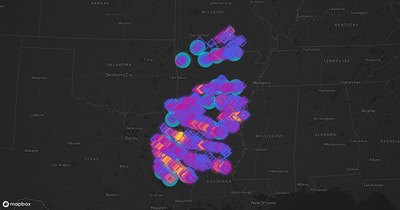
See exactly what you get.
Explore the full Springdale, AR Strike Map free – hail track, address overlay, and CSV download. No account required.
Try the Free Demo →