Grants Pass, OR Hail Storm – May 2026
May 3, 2026 hail storm near Grants Pass, OR. Radar-confirmed hail track and contractor lead lists available.
Max Hail
1.28"1.28" est.
confirmed
Zones
1
NWS alerts
Radar
1,195
dual-pol hits
Spotter
–
field reports
Map requires hardware acceleration
NWS WARNING AREA · Grants Pass Metro · May 4, 2026
Intelligence Platform
StormSnipe Pro
$49/ mo
Cancel anytime · No contracts
›All 50 states
›No zone limits
›No per-event fees
Subscribe to Pro
Billed monthly · Cancel anytime
What's included
Instant delivery
Every storm published within hours of NOAA confirmation.
Interactive Strike Map
Full radar-confirmed hail track on an interactive map.
Address CSV export
Every affected residential address, export-ready.
Smart alerts
Notified when a storm hits your area. Set zones once.
Nationwide coverage
All 50 states. No zone restrictions. No geographic caps.
Live pipeline
NOAA NEXRAD processed and delivered 24/7.
NWS WARNING AREA
NWS ORC033
Grants Pass, OR
Dual-Pol Radar
Alert issued Mon, May 4 · 12:05 AM UTC
1.28"
confirmed
1.28"
est. (NWS)
Grants Pass, Oregon experienced a late-afternoon hail event on May 3, 2026, producing peak stones of 1.28 inches and prompting a single NWS severe thunderstorm warning. The storm was radar-detected and is now concluded.
What Happened
The thunderstorm moved through the Grants Pass metro area in the late afternoon of May 3. The National Weather Service issued one severe thunderstorm warning for the event at 5:05 PM PDT. Dual-polarization NEXRAD radar detected hail-sized echoes consistent with the reported peak and produced a single radar-derived hail assessment for the zone. The warning covered the affected area until the storm departed the metro corridor and the event was declared concluded.
Damage Assessment
Hail of this size can dent vehicle panels, crack skylights, and strip granules from asphalt roofing. In Grants Pass, expect localized damage to parked cars, exposed HVAC condenser coils, and vinyl siding on the windward sides of structures. Skylights and solar panels are at elevated risk for impact damage where exposed. Shingle loss can accelerate roof wear and may create pathways for water intrusion in already aged roofs; inspect for soft spots and granule-free patches on slopes that received the heaviest hail.
Document conditions with geotagged photos before any repairs. Prioritize visual checks of vehicles, rooftop penetrations, and outdoor equipment. Note that hail patterns from a single storm can be highly localized; contiguous properties may show differing degrees of damage depending on exact hail paths.
What Contractors Should Know
Perform an exterior damage triage on arrival. Start with parked vehicles and ground-level assets, then move to a rooftop walk if safe access exists. Look specifically for dented metal, cracked glazing, missing shingle granules, and dented HVAC fins. Capture high-resolution photos from multiple angles and include timestamps and GPS coordinates in the report. For roofing, measure granule loss and inspect eaves and valleys for exposed felt or nail pops before recommending a full replacement.
Provide temporary protective measures when active leaks are present. Apply tarps or targeted sealants only after documenting conditions. Coordinate with property owners and insurers on scope and cost estimates, and separate emergency repairs from full replacements in billing. For solar arrays and skylights, require manufacturer-approved replacement parts and follow inverter isolation procedures prior to rooftop work.
Access the paid Strike Map for the precise hail track and the mapped damage zone in Grants Pass.
Storm Details
- Start Date
- Sunday, May 3, 2026
- Last Activity
- Sunday, May 3, 2026
- Location
- Grants Pass, OR
- Warning Areas
- 1
- Dual-Pol Radar
- 1,195
- Spotter Reports
- --
Preview Strike Map
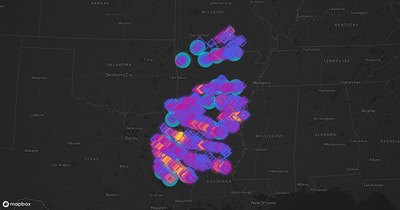
See exactly what you get.
Explore the full Springdale, AR Strike Map free – hail track, address overlay, and CSV download. No account required.
Try the Free Demo →