ACTIVE STORM
Monitoring live · Last activity 1h ago
Rawlins, WY Hail Storm – May 2026
May 9, 2026 hail storm near Rawlins, WY. Radar-confirmed hail track and contractor lead lists available.
Max Hail
1.13"1.25" est.
confirmed
Zones
3
NWS alerts
Radar
1,216
dual-pol hits
Spotter
–
field reports
Map requires hardware acceleration
NWS WARNING AREA · Rawlins Metro · May 9, 2026 · Click a zone to highlight
Intelligence Platform
StormSnipe Pro
$49/ mo
Cancel anytime · No contracts
›All 50 states
›No zone limits
›No per-event fees
Subscribe to Pro
Billed monthly · Cancel anytime
What's included
Instant delivery
Every storm published within hours of NOAA confirmation.
Interactive Strike Map
Full radar-confirmed hail track on an interactive map.
Address CSV export
Every affected residential address, export-ready.
Smart alerts
Notified when a storm hits your area. Set zones once.
Nationwide coverage
All 50 states. No zone restrictions. No geographic caps.
Live pipeline
NOAA NEXRAD processed and delivered 24/7.
NWS WARNING AREAS · 3
This storm generated 3 NWS alert zones. Pro access covers the complete storm track and all addresses across every zone.
ZONE 1NWS WYC007
Rawlins, WY
Dual-Pol Radar
210 addresses in warning area
Alert issued Sat, May 9 · 8:43 PM UTC
1.13"
confirmed
1.25"
est. (NWS)
ZONE 2NWS WYC001
Rock River, WY
Dual-Pol Radar
1,389 addresses in warning area
Alert issued Sat, May 9 · 10:21 PM UTC
0.76"
confirmed
0.75"
est. (NWS)
ZONE 3NWS WYC001
Bosler, WY
Dual-Pol Radar
11 addresses in warning area
Alert issued Sat, May 9 · 11:00 PM UTC
0.78"
confirmed
1"
est. (NWS)
A multi-zone hail storm is tracking through Rawlins, WY on May 9, 2026, producing a storm-wide maximum of 1.13 inches and continuing to develop into the early evening. The system is producing discrete hail cores and varying intensity across the metro.
What Happened
The storm generated three NWS alerts across the Rawlins metro on May 9. At 2:43 PM MDT (20:43 UTC) a hail alert noted radar-detected cores sized to 1.25 inches based on dual-polarization radar. At 4:21 PM MDT (22:21 UTC) a second radar-detected alert reported smaller hail near three-quarters of an inch. A 5:00 PM MDT (23:00 UTC) NWS warning-only alert followed, citing up to 1.00-inch hail within the warning area. The alert sequence shows fluctuating core intensity and multiple hail-producing cells moving through the same corridor. The storm is still active and continuing to produce hail and thunderstorm winds across segments of the metro.
Radar coverage shows compact cores embedded in a broader convective line, producing localized bursts. The three alerts cover distinct zones across the Rawlins warning area. Field reports and radar sampling returned a maximum measured hail diameter of 1.13 inches within the aggregated event area. Expect continued variability as new cells move through during the late afternoon and early evening.
Damage Assessment
Alert sizes range from about 0.75 inches to radar-detected cores exceeding one inch. In Rawlins neighborhoods and adjacent outlying areas that received the larger cores, vehicular body damage and denting are likely on exposed cars and light trucks parked outdoors. Roof finishes with weakened or aged asphalt shingles can show bruising and accelerated granule loss where hail exceeded one inch. Skylights, solar panels, and unshielded mechanical equipment are vulnerable where hail cores were most intense.
Smaller hail cores reported in the storm will produce cosmetic damage to siding, paint chips, and superficial denting on thinner metal surfaces. Insurance adjusters and contractors working in the Rawlins metro should prioritize visual inspection of parked vehicles, roof coverings, HVAC condenser units, and exterior glazing in areas under the radar-detected cores and the NWS warning area.
What Contractors Should Know
Document conditions immediately. Photograph damage with a clear scale reference and note the specific time and street-level location. Use the NWS warning area polygons and the radar alert times to cross-reference inspection priorities. For roofs, perform a walkaround first to identify granule loss, split or fractured shingles, and damaged flashings. Avoid ladder work until conditions are safe; hail-producing cells remain active.
Plan triage by segmenting work into high-, medium-, and low-priority repairs based on visible structural impact and exposure to the active storm path. Secure temporary covers for damaged openings and protect interior assets before beginning permanent repairs. Coordinate with vehicle owners and property managers to document pre-repair conditions for claims and invoicing. See the Strike Map for precise hail track data.
Developing Story
Coverage updates as radar and spotter data comes in. Last updated 44m ago.
Storm Details
- Start Date
- Saturday, May 9, 2026
- Last Activity
- Saturday, May 9, 2026
- Location
- Rawlins, WY
- Warning Areas
- 3
- Dual-Pol Radar
- 1,216
- Spotter Reports
- --
Preview Strike Map
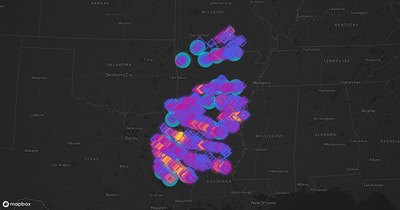
See exactly what you get.
Explore the full Springdale, AR Strike Map free – hail track, address overlay, and CSV download. No account required.
Try the Free Demo →