El Paso, TX Hail Storm – May 2026
May 10, 2026 hail storm near El Paso, TX. Radar-confirmed hail track and contractor lead lists available.
Max Hail
1.46"1.46" est.
confirmed
Zones
2
NWS alerts
Radar
124
dual-pol hits
Spotter
–
field reports
NWS WARNING AREA · El Paso Metro · May 10, 2026
Intelligence Platform
StormSnipe Pro
$49/ mo
Cancel anytime · No contracts
›All 50 states
›No zone limits
›No per-event fees
Subscribe to Pro
Pro renews monthly until canceled · Cancel anytime in the billing portal
What's included
Instant delivery
Every storm published within hours of NOAA confirmation.
Interactive Strike Map
Full radar-confirmed hail track on an interactive map.
Address CSV export
Every affected residential address, export-ready.
Smart alerts
Notified when a storm hits your area. Set zones once.
Nationwide coverage
All 50 states. No zone restrictions. No geographic caps.
Live pipeline
NOAA NEXRAD processed and delivered 24/7.
Address data notice
Pro coverage in California, Vermont, and Oregon includes the confirmed hail track and Strike Map only — no address lists. State data-privacy law treats compiled address lists differently in those three states, so we exclude their addresses from extraction and delivery.
NWS WARNING AREAS · 2
This storm generated 2 NWS alert zones. Pro access covers the complete storm track and all addresses across every zone.
ZONE 1NWS TXC229
El Paso, TX
Dual-Pol Radar
31 addresses in warning area
Alert issued Sun, May 10 · 9:28 PM UTC
1.46"
confirmed
0.75"
est. (NWS)
ZONE 2NWS TXC229
Van Horn, TX
Dual-Pol Radar
1 addresses in warning area
Alert issued Sun, May 10 · 11:41 PM UTC
1.5"
confirmed
1.46"
est. (NWS)
El Paso, TX experienced a hail-producing severe thunderstorm sequence during the late afternoon and early evening of May 10, 2026. The event produced radar-detected hail up to 1.46 inches and concluded that evening.
What Happened
The storm sequence produced two NWS alerts across the El Paso metro. The first alert issued at 4:28 PM CDT advised 0.75-inch hail and was classified as NWS warning only. The second alert issued at 6:41 PM CDT reported larger hail detected by dual-polarization radar. Observations cover multiple response zones within the El Paso metro and are presented here as a multi-zone aggregate report. The event moved through the area in late afternoon into early evening and had concluded by local nightfall.
Radar returns showed strong reflectivity cores during the later portion of the event. Dual-polarization signatures supported hydrometeor identification consistent with hail in the hail-producing cores. The alert sequence reflects an initial warning-based estimate followed by a later radar-detected increase in hail size across the metro.
Damage Assessment
Alerted hail sizes for this event ranged from 0.75 to 1.46 inches. Hail in that size range can dent vehicle panels, crack or shatter skylights, and displace or fracture asphalt shingle granules. Older or weathered roofing systems are at higher risk of shingle loss and accelerated degradation when struck by hail this size. Exterior metal surfaces, HVAC condenser fins, and exposed photovoltaic panel surfaces are also susceptible to impact damage.
Where the dual-polarization radar signature overlapped residential and commercial areas, expect concentrated strike density rather than uniform coverage across the entire metro. Field verification is required to identify isolated severe impacts. No generalized claim of widespread structural failure is asserted here; assessments should be based on on-site inspection tied to the alert times and radar detection window.
What Contractors Should Know
Prioritize safety and documentation on arrival. Wear appropriate fall protection and hard hats when performing elevated inspections. Photograph damage with a visible scale and a time stamp. Record exact locations, roof slope, material type, and evidence of shingle granule loss or punctures. For vehicle claims, photograph dents and broken glass with reference objects for scale.
Triage repairs by risk and visibility. Secure temporary tarps on roofs showing punctures or open seams to prevent water intrusion. Inspect and straighten or replace damaged HVAC fins and assess solar panels for microfractures or output loss. Include the NWS warning time (4:28 PM CDT) and the radar-detected event time (6:41 PM CDT) in inspection reports to correlate observed damage to the storm timeline. Contractors needing precise hail track data can purchase the Strike Map for this event to locate the paid product damage zone and refine field assignment.
Storm Details
- Start Date
- Sunday, May 10, 2026
- Last Activity
- Sunday, May 10, 2026
- Location
- El Paso, TX
- Warning Areas
- 2
- Dual-Pol Radar
- 124
- Spotter Reports
- --
Preview Strike Map
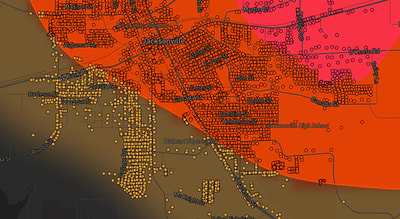
See exactly what you get.
Explore the full Springdale, AR Strike Map free – hail track, address overlay, and CSV download. No account required.
Try the Free Demo →