ACTIVE STORM
Monitoring live · Last activity 1h ago
Nichols, SC Hail Storm – May 2026
May 11, 2026 hail storm near Nichols, SC. Radar-confirmed hail track and contractor lead lists available.
Max Hail
1.87"1.75" est.
confirmed
Zones
4
NWS alerts
Radar
152
dual-pol hits
Spotter
–
field reports
Map requires hardware acceleration
NWS WARNING AREA · Nichols Metro · May 11, 2026 · Click a zone to highlight
Intelligence Platform
StormSnipe Pro
$49/ mo
Cancel anytime · No contracts
›All 50 states
›No zone limits
›No per-event fees
Subscribe to Pro
Billed monthly · Cancel anytime
What's included
Instant delivery
Every storm published within hours of NOAA confirmation.
Interactive Strike Map
Full radar-confirmed hail track on an interactive map.
Address CSV export
Every affected residential address, export-ready.
Smart alerts
Notified when a storm hits your area. Set zones once.
Nationwide coverage
All 50 states. No zone restrictions. No geographic caps.
Live pipeline
NOAA NEXRAD processed and delivered 24/7.
NWS WARNING AREAS · 4
This storm generated 4 NWS alert zones. Pro access covers the complete storm track and all addresses across every zone.
ZONE 1NWS SCC051
Myrtle Beach, SC
Dual-Pol Radar
Alert issued Mon, May 11 · 5:56 PM UTC
1.87"
confirmed
1"
est. (NWS)
ZONE 2NWS NCC047
Nichols, SC
Dual-Pol Radar
Alert issued Mon, May 11 · 6:16 PM UTC
1.64"
confirmed
1"
est. (NWS)
ZONE 3NWS SCC043
Nesmith, SC
NWS Warning
Alert issued Mon, May 11 · 6:32 PM UTC
1"
est. (NWS)
ZONE 4NWS NCC047
Loris, SC
NWS Warning
Alert issued Mon, May 11 · 6:46 PM UTC
1.75"
est. (NWS)
Nichols, SC · May 11, 2026 — A severe thunderstorm is tracking through Nichols and is producing hail, with a peak measured size of 1.64 inches. The system is generating repeated NWS severe thunderstorm warnings and remains active as of this update.
What Happened
The storm began issuing warnings in mid-afternoon and is continuing to produce hail and strong convection across the Nichols metro area. Four NWS warning messages were issued for this event:
- May 11 · 1:56 PM EDT (17:56 UTC) — 1-inch hail — NWS warning only
- May 11 · 2:16 PM EDT (18:16 UTC) — 1-inch hail — NWS warning only
- May 11 · 2:32 PM EDT (18:32 UTC) — 1-inch hail — NWS warning only
- May 11 · 2:46 PM EDT (18:46 UTC) — 1.75-inch hail — NWS warning only
The sequence shows repeated severe-hail warnings passing over Nichols. The storm is still active and conditions may continue to develop in the late afternoon. Local warning areas were expanded and reissued as the cell intensified.
Damage Assessment
NWS warning reports for Nichols indicate hail sizes large enough to produce vehicle dents and roof-impact damage in exposed locations. Hail at or above one inch commonly produces cosmetic and functional damage to automotive body panels and aluminum trim. Larger stones approaching two inches increase the likelihood of shingle granule loss, cracked skylights, and damaged vinyl siding on windward exposures.
For residential roofs, expect isolated shingle damage where exposure is greatest on south- and west-facing slopes. For parked vehicles, expect panel dents and chipped paint in neighborhoods within the warning areas. Agricultural effects in nearby open fields may include stripped leaves and bruising on soft-fruit crops where exposure was direct.
What Contractors Should Know
Inspectors and roofing crews should prioritize safety and storm-clearance procedures. Do not perform ladder or roof work while storms are ongoing. Begin exterior assessments only after the threat has passed for the immediate area. Photograph roof fields, gutters, siding, vehicles, and any glazing before conducting repairs. Capture a wide view and close-ups with scale objects for claim documentation.
Estimate teams should prepare for common hail-related repairs: localized shingle replacement, underlayment inspections where granule loss is evident, dent removal for sheet metal components, and potential skylight or window glazing replacement. Coordinate with adjusters and maintain records of arrival times and weather conditions. Schedule follow-up checks for secondary water intrusion in the 72 hours after initial impacts.
For precise hail-track mapping and paid radar-derived damage zone data, consult the Strike Map for Nichols, SC.
Developing Story
Coverage updates as radar and spotter data comes in. Last updated 17m ago.
Storm Details
- Start Date
- Monday, May 11, 2026
- Last Activity
- Monday, May 11, 2026
- Location
- Nichols, SC
- Warning Areas
- 4
- Dual-Pol Radar
- 152
- Spotter Reports
- --
Preview Strike Map
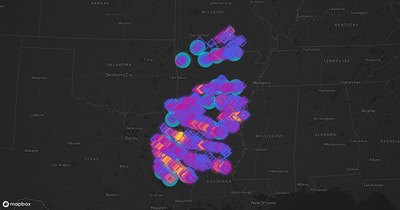
See exactly what you get.
Explore the full Springdale, AR Strike Map free – hail track, address overlay, and CSV download. No account required.
Try the Free Demo →