Yuma, CO Hail Storm – May 2026
May 14, 2026 hail storm near Yuma, CO. Radar-confirmed hail track and contractor lead lists available.
Max Hail
1"NWS Est.
Zones
2
NWS alerts
Radar
–
dual-pol hits
Spotter
–
field reports
NWS WARNING AREA · Yuma Metro · May 14, 2026
Intelligence Platform
StormSnipe Pro
$49/ mo
Cancel anytime · No contracts
›All 50 states
›No zone limits
›No per-event fees
Subscribe to Pro
Pro renews monthly until canceled · Cancel anytime in the billing portal
What's included
Instant delivery
Every storm published within hours of NOAA confirmation.
Interactive Strike Map
Full radar-confirmed hail track on an interactive map.
Address CSV export
Every affected residential address, export-ready.
Smart alerts
Notified when a storm hits your area. Set zones once.
Nationwide coverage
All 50 states. No zone restrictions. No geographic caps.
Live pipeline
NOAA NEXRAD processed and delivered 24/7.
Address data notice
Pro coverage in California, Vermont, and Oregon includes the confirmed hail track and Strike Map only — no address lists. State data-privacy law treats compiled address lists differently in those three states, so we exclude their addresses from extraction and delivery.
NWS WARNING AREAS · 2
This storm generated 2 NWS alert zones. Pro access covers the complete storm track and all addresses across every zone.
ZONE 1NWS COC125
Yuma, CO
Dual-Pol Radar
Alert issued Thu, May 14 · 8:38 PM UTC
0.75"
confirmed
1"
est. (NWS)
ZONE 2NWS COC125
Wray, CO
Dual-Pol Radar
Alert issued Thu, May 14 · 9:21 PM UTC
0.75"
confirmed
1"
est. (NWS)
Yuma, CO experienced a multi-zone hail event on May 14, 2026 during the late afternoon, with peak verified hail near 0.75 inch concentrated in a compact hail track.
What Happened
A convective cluster moved across the Yuma metro in the late afternoon on May 14, 2026. The National Weather Service issued two separate severe thunderstorm warnings for 1-inch hail at 2:38 PM MDT and 3:21 PM MDT, each covering a warning area along the observed storm motion. Those warnings were issued as NWS warning only. Radar-derived hail detection and local mapping showed a narrower hail track and measured stones smaller than the warned size across the aggregate zones. The event has concluded and no additional warnings remain active.
Damage Assessment
Hail around three-quarter inch in diameter typically produces localized cosmetic damage along the storm track in Yuma. Expect isolated dents on vehicle panels, paint chips on exposed surfaces, and bruising or granular loss on older asphalt shingles where exposure was highest. Vinyl and aluminum siding can show surface pitting; glass breakage is unlikely at this size unless stones were wind-driven into vulnerable openings. Landscape and soft-material damage is the most common effect along the mapped hail track.
Field reports and insurance claims following this event should align with those damage expectations given the measured stone size and the compact nature of the track.
What Contractors Should Know
Roofing contractors should prioritize visual inspections of roofs located inside the mapped hail track. Look for granular loss, split or bruised shingles, and dents on metal flashings. Photograph damages with a measurable scale, note exact addresses and times, and record the orientation of roof slopes. Temporary covers should be limited to active leaks; document any temporary repairs and provide estimates that distinguish cosmetic granular loss from structural damage.
General contractors and restoration teams should stage resources along the central track where reports and radar mapping overlap. Review siding, gutters, and mechanical exposures for impact marks. Provide clients with concise documentation for claims: timestamped photos, measurements of representative hail, and clear descriptions of observed effects. Coordinate with vehicle repair shops when multiple autos show panel dents in the same neighborhood.
Paid users can view the Strike Map for a precise hail track and the associated damage zone in Yuma, CO.
Storm Details
- Start Date
- Thursday, May 14, 2026
- Last Activity
- Thursday, May 14, 2026
- Location
- Yuma, CO
- Warning Areas
- 2
- Dual-Pol Radar
- --
- Spotter Reports
- --
Preview Strike Map
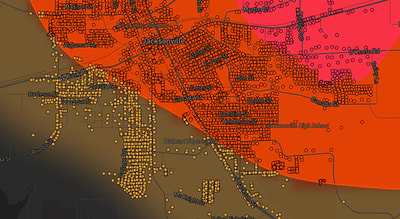
See exactly what you get.
Explore the full Springdale, AR Strike Map free – hail track, address overlay, and CSV download. No account required.
Try the Free Demo →